Demand for cannabis in Oregon sours as supply soars

Add Axios as your preferred source to
see more of our stories on Google.
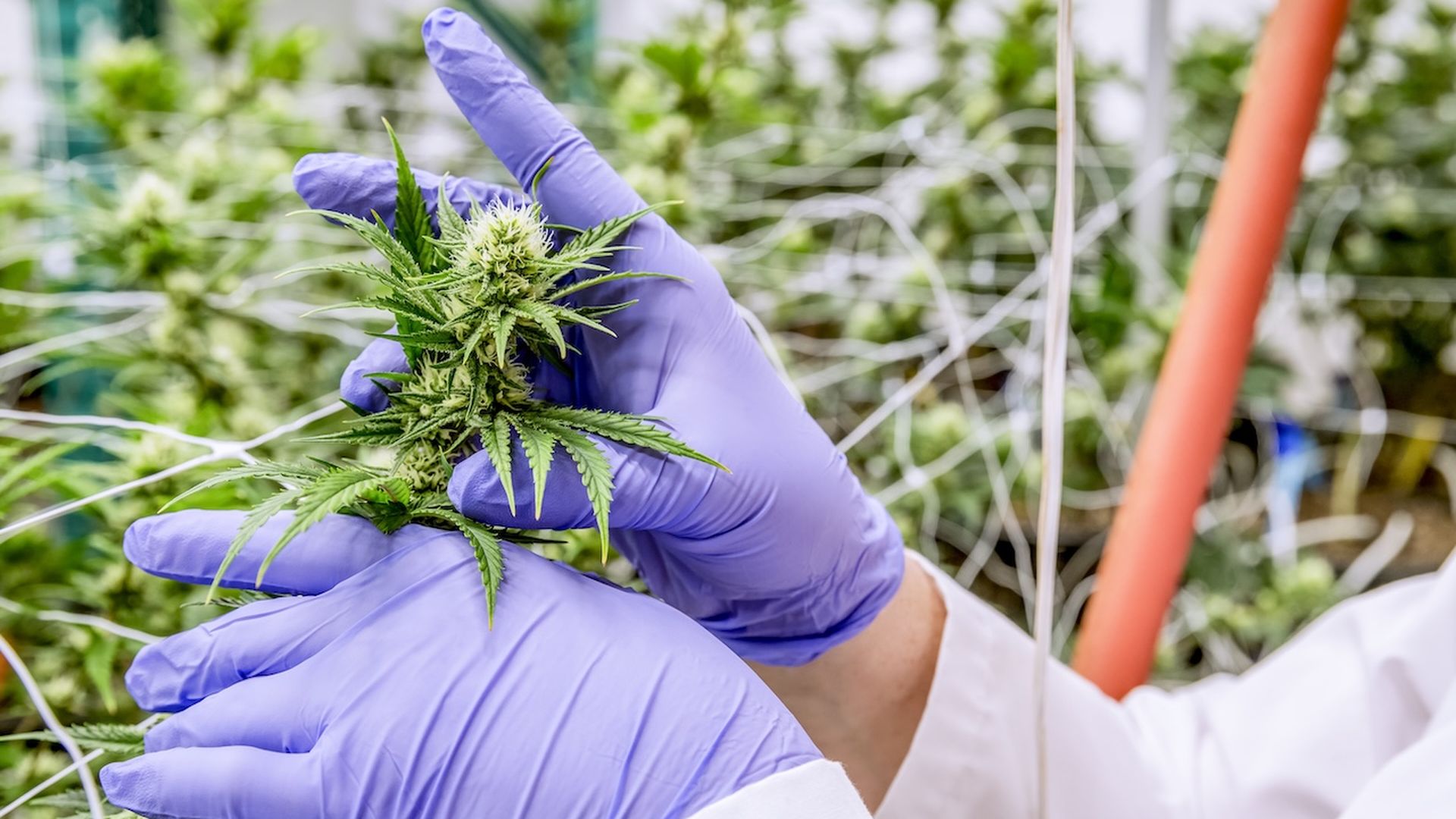
Oregon is suffering from having too much of a good thing. Photo: John Hyde/Design Pics Editorial/Universal Images Group via Getty Images
Oregon's cannabis industry is drowning in its own supply — last year's record-breaking harvest exacerbated an already oversaturated market and dropped consumer prices to their lowest ever, according to a new state report.
Why it matters: While consumers benefit from rock-bottom prices, independent growers, manufacturers and distributors are facing razor-thin margins amid wavering demand.
By the numbers: Nearly 12.3 million pounds of cannabis was harvested in 2024, the largest ever thanks to "ideal growing conditions in Southern Oregon," per a recent Oregon Liquor and Cannabis Commission report.
- Yes, but: Demand remains flat. The total number of sales ($960 million) is roughly the same as last year.
- OLCC estimates only 57% of the supply met demand — meaning there's double the amount of product compared with what people are actually buying.
- That led to the median retail price-per-gram of flower dropping to $3.75, the lowest since legalization nearly a decade ago.
State of play: Oregon's cannabis market has been stuck in a cycle of overproduction for years, despite lawmakers' 2019 moratorium on new licenses for growers and retailers.
- Oregon, like other states, is holding out hope for federal legalization or rescheduling, which would open the door to interstate commerce — selling product across state lines — and banking reform.
- Experts told Axios not to expect that to happen under the Trump administration. Instead, "state reform has to take place," Beau Whitney, founder of Portland-based cannabis consulting company Whitney Economics, said.
What they're saying: Because demand is capped, Whitney suggests the state should start capping supply, too, and loosening regulations that require Oregonians to buy their weed through a dispensary.
- "That's actually proving to be a failed model," he told Axios. "For example, in Minnesota, they can go to the grocery store and get a THC beverage, so it makes it much easier for consumers to participate."
Zoom in: As for the state's independent cannabis businesses, the report paints a "bleak" picture of what's ahead, Vince Sliwoski, a cannabis lawyer, told Axios.
- With excess product and no one to buy it, Sliwoski said, some manufacturers may be tempted to send their stuff out of state, regardless of the repercussions, in order to simply make up the cost.
- Others are getting out of the game completely and selling their licenses to the highest bidder, because assets like growing equipment and real estate "aren't worth much."
The bottom line: "The industry is kind of limping along and will continue to," Sliwoski said.