Oregon's bats are misunderstood and at risk

Add Axios as your preferred source to
see more of our stories on Google.
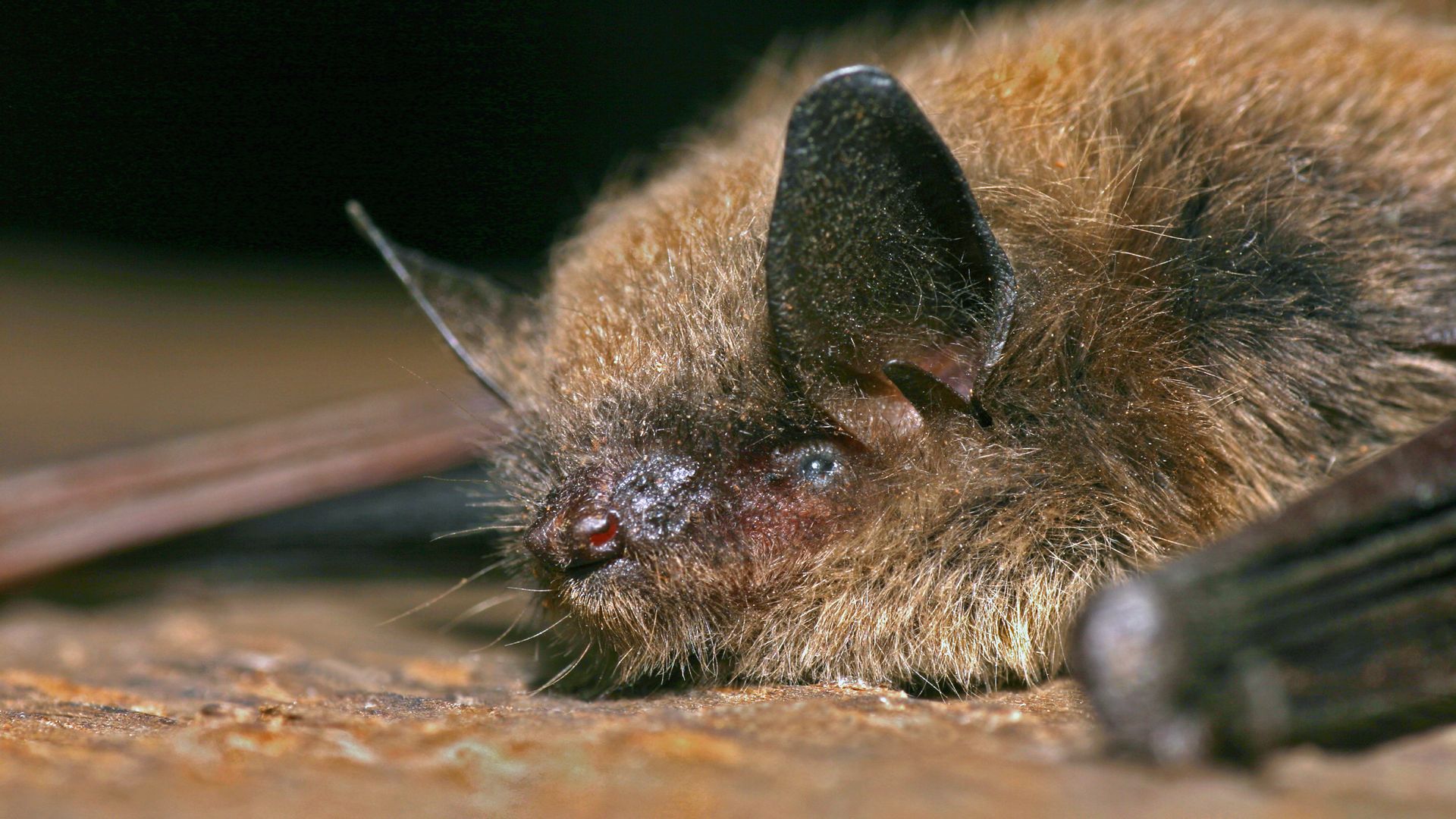
Little brown bats are just one of 15 bat species that live in Oregon. Photo: MyLoupe/Universal Images Group via Getty Images
Most times, you don't even know they're there — a shadow flitting through the night or the faint flap of a leathery wing — but bats are everywhere in Oregon, and they're facing some significant threats.
Why it matters: Bat populations in Oregon and around the world are declining and, despite the bad rap they get sometimes, the flying mammals provide numerous benefits to humans — ecologically and financially.
State of play: Oregon is home to 15 species of bat — from the hoary bat, with a wingspan of 16 inches, to the diminutive canyon bat, which weighs less than a quarter of an ounce.
- They reside in every corner of the state, from the high deserts of eastern Oregon to the wet forests west of the Cascades.
- Worldwide, some bats are important pollinators for plants like agave and bananas, but all of Oregon's bats eat only insects.
Zoom in: A single bat can eat as many as 1,200 bugs in one night.
- That type of pest control is extremely valuable — studies have shown that bats contribute a minimum of $3.7 billion to the agriculture industry each year, offsetting pesticide costs by eating insects that would otherwise destroy crops.
Fun fact: Bats also contribute fertilizer through their guano, conveniently spread across the landscape as they fly, said Susan Barnes, a regional wildlife conservation biologist with the Oregon Department of Fish & Wildlife (ODFW).
- "What goes in must come out," Barnes told Axios.
Threat level: Bats face a variety of threats, including disease, drought, outdoor housecats and, most significantly, habitat loss, said ODFW conservation strategy director Emily VanWyk.
- Experts estimate that 90% of North American bat species have declined over the last 15 years and that more than half of North American bat species have "moderate to very high risk of extinction in the next 15 years," according to a recent report from the U.S. Geological Survey.
Context: People rarely interact with bats unless one makes its way inside a home.
- There is some fear of the creatures, Barnes said, because of their association with rabies, but experts estimate that not even 1/10th of 1% of the animals have the disease.
- If a bat does come into your home, there are ways to evict them without killing them.
What they're saying: VanWyk said the state doesn't have enough resources to fully monitor the risks to its bat population, with scant funding to study nongame species.
- Without more resources, she said, we may not know the extent of the threats until it's too late.
- "We really need dedicated funds for nongame conservation in order to make sure that we are preserving biodiversity within our state," she said. "We're at the edge of pretty irreversible declines."