What's next for Oregon's "Grand Canyon"

Add Axios as your preferred source to
see more of our stories on Google.
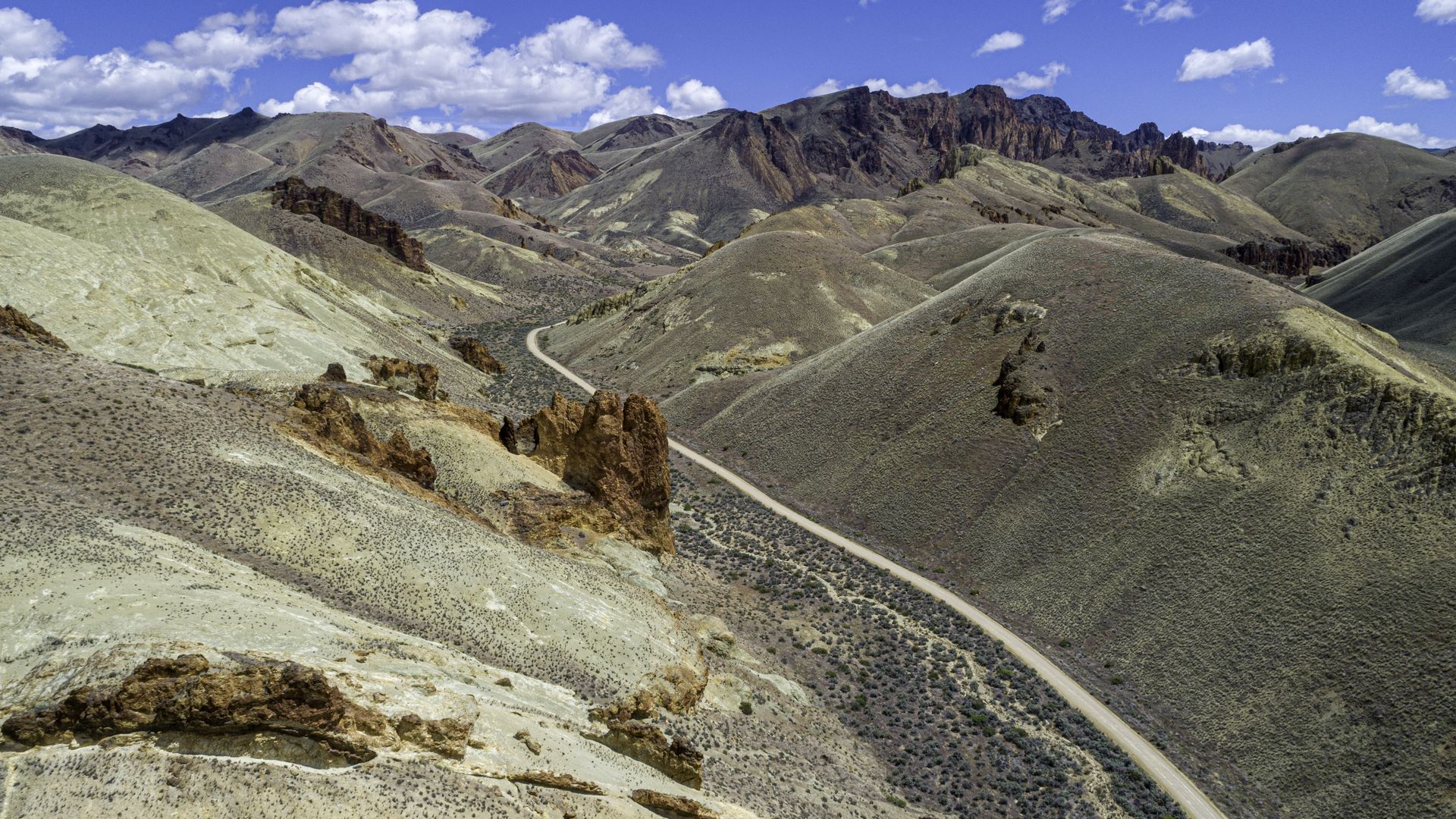
Oregon's Owyhee Canyonlands are some of the most untouched parts of wilderness in the West. Photo: Bobbushphoto/Getty Images
For decades, conservationists, local tribes and farmers have been fighting for federal protections for part of Oregon's Owyhee Canyonlands. And this year they might have a shot.
Why it matters: Legislation aimed at preserving this expanse of land — spanning more than 1 million acres in the easternmost part of the state — has made it out of committee and could go before the full U.S. Senate by year-end.
- That's according to U.S. Sen. Ron Wyden, who has championed the bill alongside Sen. Jeff Merkley since 2019.
Context: The Owyhee Canyonlands — also known as Oregon's "Grand Canyon" — is home to over 200 wildlife species, including bighorn sheep, elk and the threatened sage grouse. It also has some of the most untouched areas of wilderness in the West, where there are no roads or cellphone service.
- The area is a boon for tourism in rural Malheur County — activities such as fishing, hunting, hiking and kayaking are popular — yet research shows federal land protections could help it grow even more.
Yes, but: The Canyonlands have not been immune to invasive species, wildfires, dwindling native fish populations in the Owyhee River or the threat of industrial development at its edges.
The big picture: Despite pressure from advocacy groups and other local politicians like Gov. Tina Kotek calling on the Biden administration to designate Owyhee a national monument, Wyden believes the bill is the best way "to preserve the agricultural way of life."
- "There are advantages in writing black letter law that you can't get with executive action," he told Axios. "It's permanent, instead of leaving the matter to ... the vagaries of future presidents."
What's inside: The bill would designate 1.1 million acres of the Owyhee Canyonlands and a 15-mile stretch of the Owyhee River as a new protected wilderness area, overseen by several federal environmental and wildlife agencies.
- It includes flexibility on future grazing — a once fractious discussion for ranchers and farmers wary of land restrictions — and grants a steady stream of funds for restoration projects and infrastructure dollars to build scenic loop roads.
- Plus: The bill would transfer over 30,000 acres of federal and private land to a trust overseen by the Burns Paiute Tribe.
What's next: Wyden believes this is the year the Canyonlands will win protections, not because all key stakeholders have signed a letter of support for the bill, but because it has landed a spot on the Senate calendar. However, no date has been set for when it will be read on the floor.
- That will probably come after Election Day, he said, adding that he'll still be "pushing this hard."