Portland Police Bureau rolls out body cameras

Add Axios as your preferred source to
see more of our stories on Google.
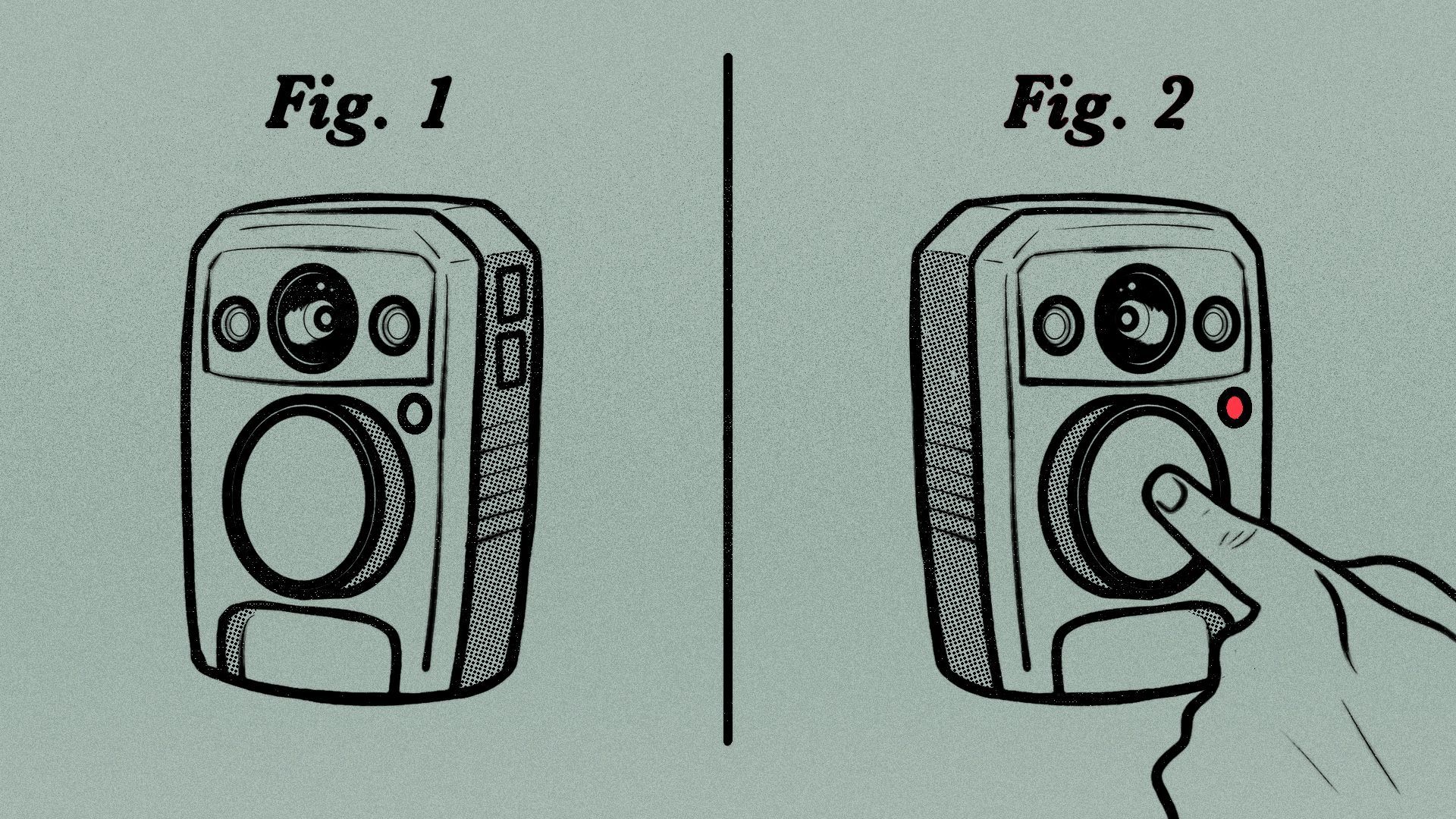
Illustration: Brendan Lynch/Axios
Starting Monday — and for the first time — body-worn cameras will officially be part of the uniform for Portland Police Bureau officers.
Why it matters: The move will give the public more insight into how its police force operates.
Catch up quick: Portland is one of the last major metros to implement the devices used for transparency and accountability among law enforcement, largely due to negotiation between the police union and city attorneys over the policies governing their use.
- The bureau completed a two-month pilot program within its Central Precinct last fall.
What they're saying: "This is a historic move for our city and I am proud of the good work from everyone involved who helped bring this to fruition," Mayor Ted Wheeler told Axios in an emailed statement, adding that the near decade-long process was "thorough."
- The Portland Police Association did not return Axios Portland's call or email requests for comment.
The other side: Dan Handelman, a police oversight advocate, told Axios via email that the public should still "record encounters between police" because bodycam footage will show only the perspective of the officer.
By the numbers: Roughly 110 officers in PPB's Central Precinct, which covers the majority of the city's west side and inner Southeast neighborhoods, will receive their body cameras Monday, according to spokesperson Mike Benner.
- By the end of August, all 800 officers across Portland's three police precincts will be equipped with cameras.
The intrigue: In some instances, Portland's bodycam policy exceeds what Oregon state law requires. For example, recording is automatically triggered whenever an officer turns on emergency vehicle lights or draws their Taser or firearm from its holster.
- Bodycam footage depicting the use of deadly force will only be released publicly if the mayor or chief of police believes there is warranted public interest, at the end of a grand jury trial, or through a public records request after the district attorney weighs in.