What your water bill is paying for when rates rise July 1

Add Axios as your preferred source to
see more of our stories on Google.
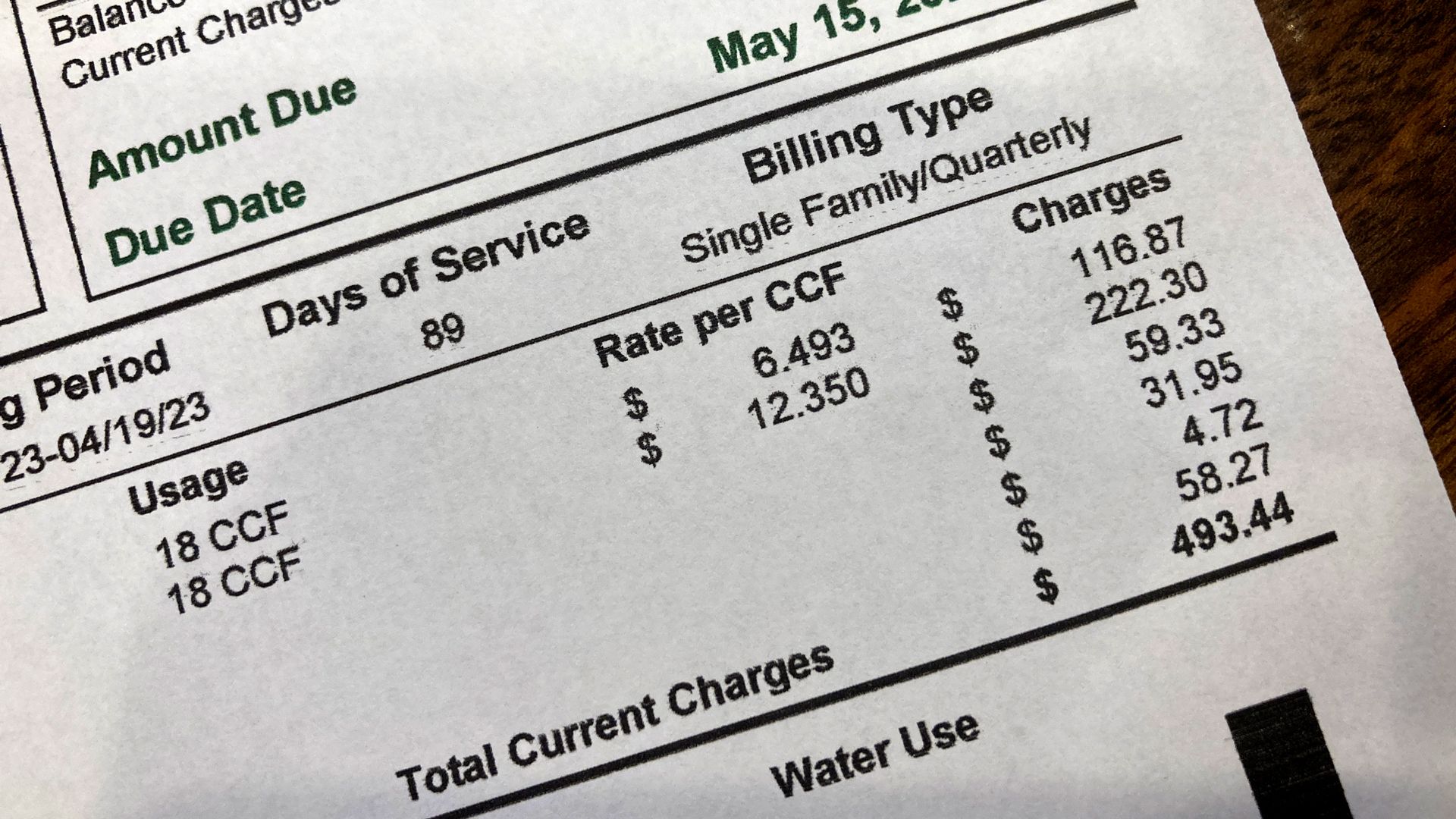
This Portland bill was for three months of water, sewer and stormwater management charges. Photo: Emily Harris/Axios
Water and sewer bills for Portland residents go up by 5.6% starting Saturday. Rates increase every July 1, but this year the proposed hikes triggered unusual debate among the City Council members who set them.
Why it matters: Rate increases are outpacing consumer inflation, putting pressure on officials to keep rates low. At the same time, costs for Portland's new filtration plant have more than tripled and bureau officials tell Axios the city is now carrying $29 million in unpaid pandemic-era bills.
Context: The vast majority of what the Water Bureau does — read meters, repair pipes, build filtration systems, subsidize low-income users — comes directly from what people pay for water and sewer service.
Catch up quick: Rates were initially due to go up 6.6% but commissioners later voted 3-2 to drop it down to 4.9%.
- But a week later, in a contentious three-hour session, the City Council voted to push water prices back up to pay for a new program subsidizing renters who live in certain buildings run by nonprofits.
Details: The new subsidy program will help 15,000 people whose combined water and sewer bills cost more than 4% of their income — though officials say nearly another 50,000 face the same situation.
- The Water Bureau says this pilot project will add slightly less than $1 per month to a "typical single family bill."
Separately, costs for a plant to treat Bull Run water have risen again, more than tripling from the original 2017 price tag to $1.8 billion now.
- About one-third of your rate increase is going to pay for the treatment plant, according to Water Bureau officials.
- Other projects, like a seismic upgrade of the pipe that moves drinking water to Portland's west side, have been put on hold because of increased construction costs and a shortage of skilled engineers.
Of note: The Water Bureau is losing about $2 million in its ongoing budget due to the reduced rate hike, which it says it will largely meet by not filling open jobs.
What's next: Water and sewer officials say they expect combined rates to keep climbing for the next two years, then flatten after 2025.