How Glendale turned risky investments into a sports and entertainment hub

Add Axios as your preferred source to
see more of our stories on Google.
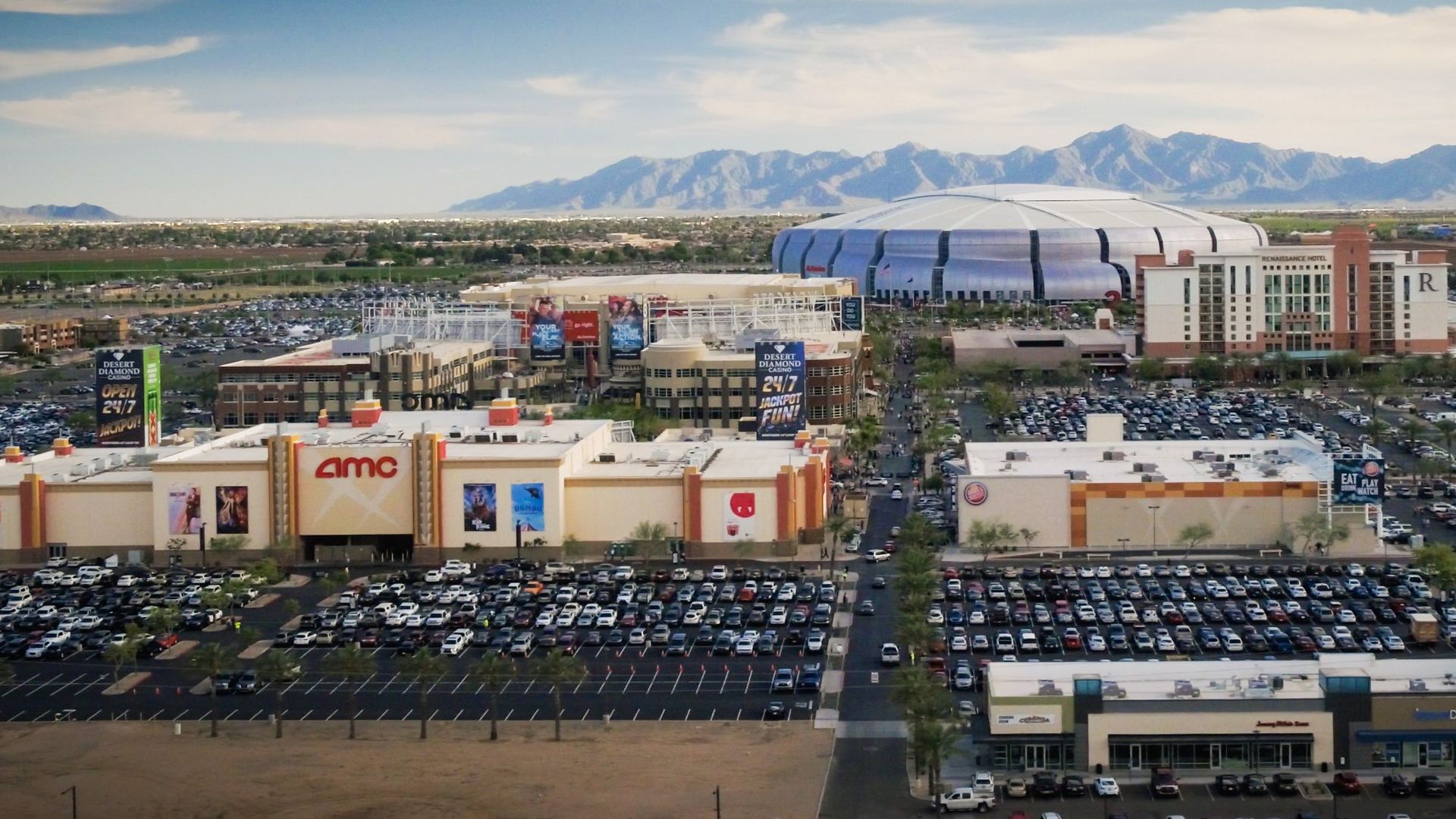
Glendale's Sports and Entertainment District. Photo: Courtesy of City of Glendale
Glendale had a chip on its shoulder for decades. It was older than the fancier new burbs taking shape in the East Valley, smaller than neighboring Phoenix and lacking the excitement of tourist destination Scottsdale.
Why it matters: That chip fueled impatience in city leaders, who took a series of big swings to create what they hoped would be the Valley's sports and entertainment hub, elevating the city above its station.
- The evolution they sought took longer to materialize than many hoped, but their labor is bearing fruit.
The big picture: The Sports and Entertainment District, anchored by State Farm Stadium, Desert Diamond Arena and Westgate, now attracts about 15 million visitors annually, according to the city.
- The state's largest resort (VAI) — a $1 billion investment that includes a theme park, concert amphitheater and three celebrity-chef restaurants — is under construction there.
- Over the past decade, other experiential attractions have popped up, including TopGolf, Chicken N Pickle and PopStroke, while higher-end dining options have landed at Westgate.
Flashback: In 2003, Glendale borrowed $180 million to build an arena for the Arizona Coyotes.
- A few years later, it courted the Arizona Cardinals and borrowed $85 million to build a media center, parking garage and hotel conference center in the Westgate area, according to the Arizona Republic.
- And in 2008, the city borrowed $200 million to build its nearby spring training facility, Camelback Ranch.
The intrigue: When the Great Recession hit, Glendale's revenues declined significantly and the city struggled to keep up with its debt. It had to close public swimming pools, cut library hours and raise taxes, the Republic reported.
- The Arizona Coyotes organization fell into bankruptcy in 2009 and required Glendale to fork over $50 million to the NHL to keep the franchise in Arizona.
- Eventually, the Coyotes and Glendale parted ways, the team pursued nicer digs in Tempe and ended up in Utah instead.
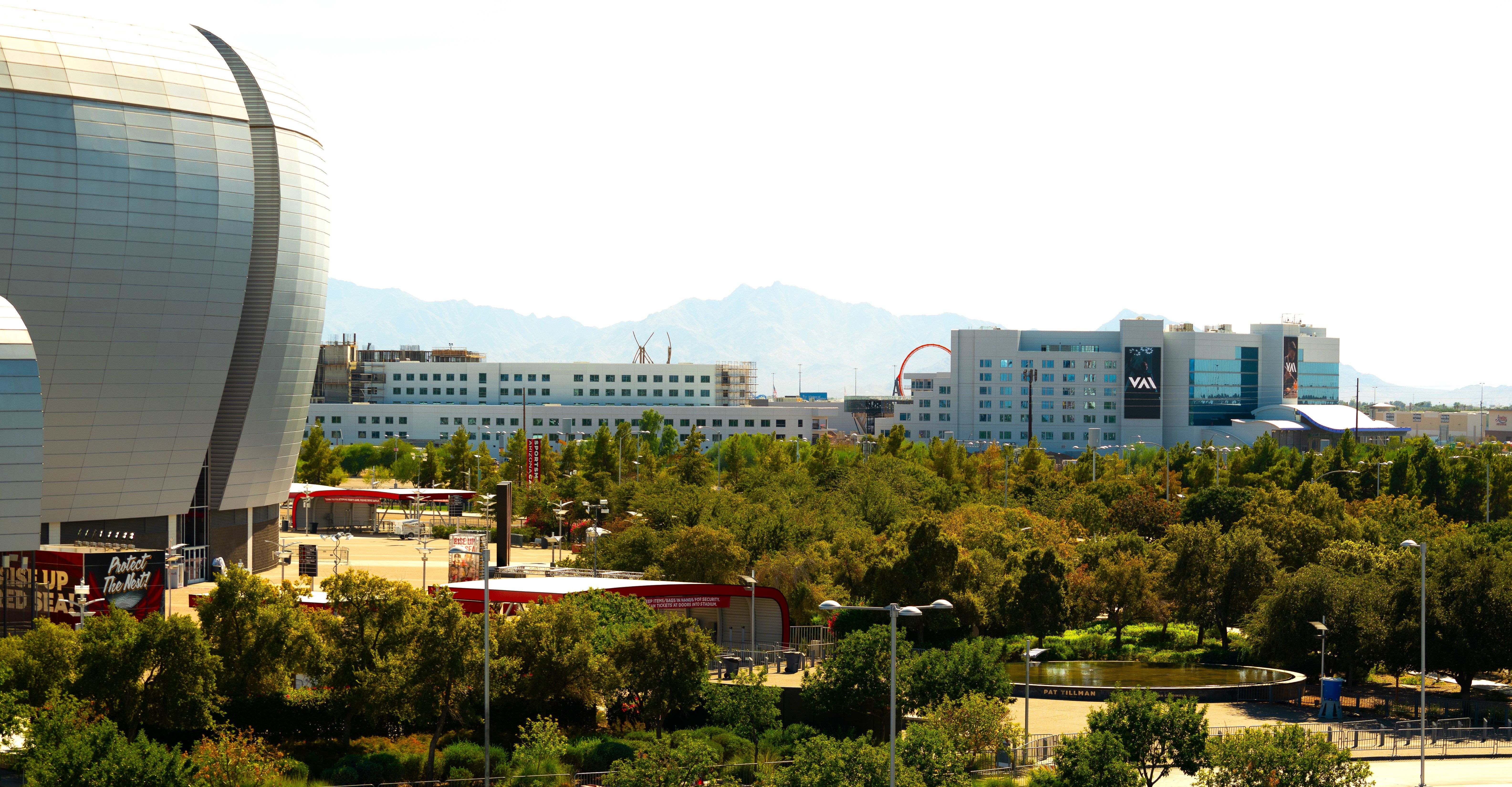
Yes, but: The city clawed its way out of the recession and Phelps said most of the expensive investments from the early 2000s are now paying dividends.
- The Cardinals alone are responsible for nearly 700,000 visitors each season.
- With the Coyotes gone, the arena is booking more concerts and restaurants are reporting more customers as more attractions come to the area, he said.
Between the lines: With those venues seeing success, other entertainment companies want in on the real estate, Phelps said.
- "They found that synergy is developed by having a lot of selection in one area. We've reached this tipping point," he said.
What's next: The city is considering a raised gondola project that would connect VAI Resort and Desert Diamond Casino, Phelps said.
- There is also a plethora of multifamily housing under construction in walking distance to Westgate's offerings.
The bottom line: "We know that people used to look down on the West Valley, stick their nose up at the West Valley. But you can't deny that the West Valley is where it's at now and Glendale is at the heart," Glendale Chamber president and CEO Joshua Gunn told Axios.