Stephen A. Smith is a straight shooter. NABJ says he's gone astray

Add Axios as your preferred source to
see more of our stories on Google.
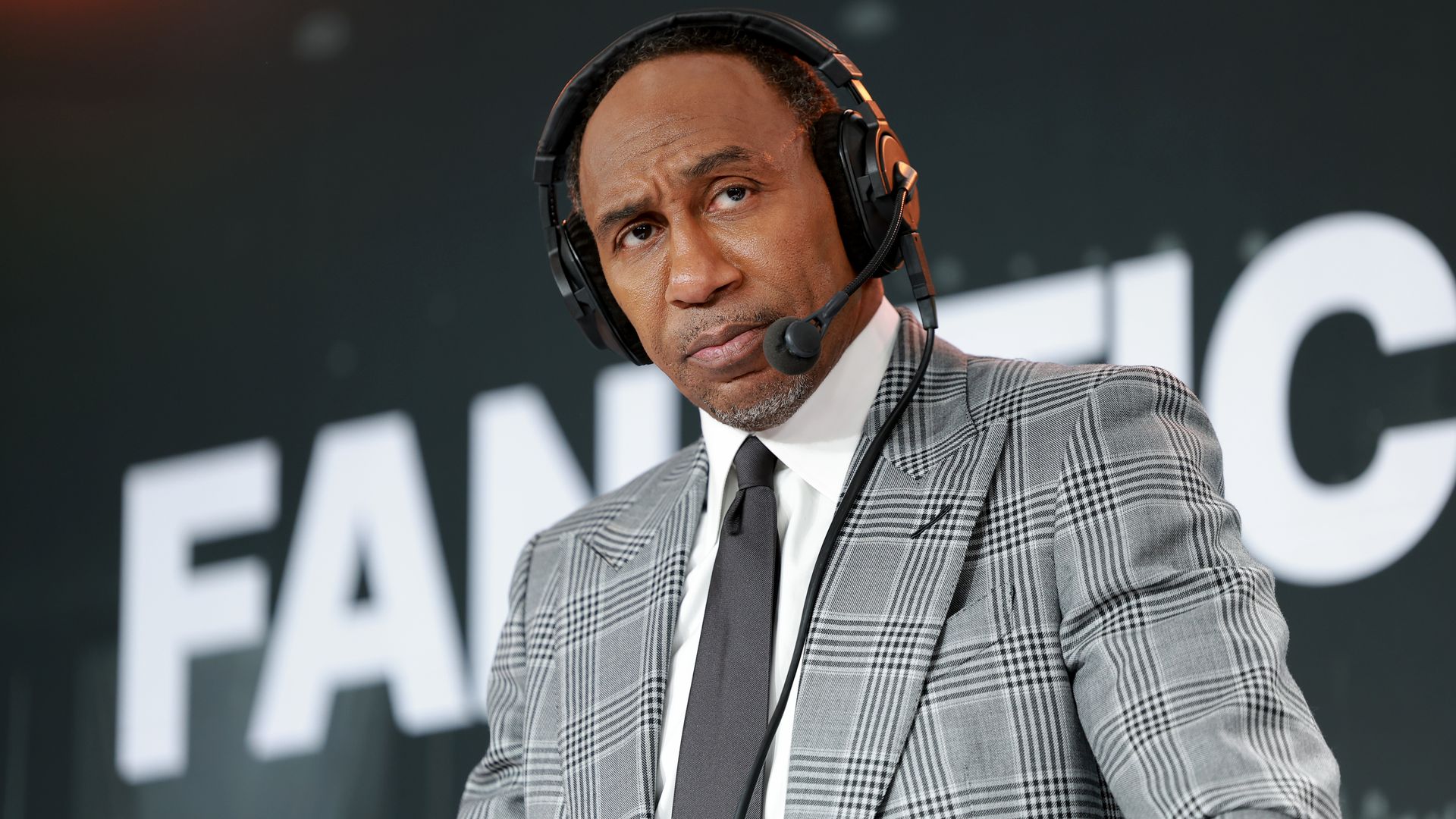
Photo: Jason Mendez/Getty Images for SiriusXM
Stephen A. Smith is committed to having the first take and the last take.
Why it matters: Smith is feuding with the National Association of Black Journalists — a group he credits with helping shape him into the journalist he's become — over its claim that he has a "recurring public pattern" of disrespecting "prominent Black women across politics, sports and media."
The big picture: The former Philadelphia Inquirer Sixers beat writer and columnist turned ESPN megastar — and possible presidential contender — is mad that NABJ gave him a Thumbs Down Award.
- Smith spent 44 minutes on his podcast arguing the organization ignored his lifetime of supporting Black women and denied him basic journalistic fairness by publicly condemning him without calling him first.
As any good journalist will tell you, the truth is more complicated.
- Smith's friend and former colleague Michael Wilbon says Smith is no longer just a journalist but a "show". NABJ believes that doesn't absolve him from being held accountable for the things he says on air.
What they're saying: Smith's former ESPN colleague Jemele Hill says the issue isn't that Smith criticizes Black women, but that his “tone is very different” when he does.
- Smith says he's simply, as the name of his podcast suggests, a "straight shooter," telling hard truths about athletes and politicians.
Zoom in: It has led to past public feuds with everyone from new Sixer LeBron James to Texas Congresswoman Jasmine Crockett, whom Smith said was an "educated, brilliant Black woman" but also claimed was "engaging in verbiage and rhetoric for the streets."
- He criticized tennis legend Serena Williams after her appearance in Kendrick Lamar's Super Bowl performance; former Vice President Kamala Harris during her presidential run; and had a public falling out with journalist Joy-Ann Reid.
Zoom out: Journalists have also criticized Smith for stretching the definition of journalism into a bankable brand of debate-style punditry that captures eyeballs but isn't always fair to the people being covered — or on the receiving end of his criticism.
- Sandra Long Weaver, an NABJ founding member and former Inquirer editor who helped hire Smith three decades ago, tells Axios she always respected his smarts and hustle.
- He was one of the first reporters in the newsroom to use a BlackBerry to quickly file stories, once helping the Inquirer beat competitors on a major breaking story.
But his approach to journalism shifted when he got on TV, she said.
- "It's not the way we did business at the Inquirer," says Weaver, who doesn't always agree with Smith's opinions. "His approach is to get a conversation going."
Author and former Sports Illustrated writer Jeff Pearlman once called Smith a "knower of all, reporter of none, carnival barker to the world."
- Hill says Smith sometimes speaks as an expert when he doesn't have all the facts.
Reality check: Now the journalism organization that helped mold Smith is asking whether the show has swallowed the journalist.
What they're saying: "Accountability is not supposed to be comfortable," the group's president, Errin Haines, told fellow NABJ board member Roland Martin on his podcast.
Smith knows this lesson better than anybody.
- For decades, he's preached about calling "balls and strikes," even when it came to someone he regarded as a "little brother": Hall of Famer Allen Iverson.
Flashback: Iverson was a generational talent with a reputation for partying. But on game day, he'd go out there and die for you.
- One day, Smith wrote about Iverson's off-court troubles. They had a falling out.
- Later, they hashed out their differences.
"Man, I don't care about the article," Iverson told Smith. "It's that it came from you."
- Smith says he saw the pain in Iverson's eyes.
Years later, Iverson said Smith did what "needed to be done."
- "I had to be held accountable," he said.
Flash forward: Now Smith is on the other side of accountability.
- Haines says NABJ is demanding better from Smith, not turning its back on him.
The bottom line: The group's lesson isn't much different from the one Smith helped teach Iverson: Sometimes criticism hurts most when it comes from those closest to us.
- NABJ's message isn't that Smith isn't a straight shooter. It's that one of its favorite straight shooters has gone astray.