Uber escalates fight over Philadelphia's proposed rideshare tax


Add Axios as your preferred source to
see more of our stories on Google.
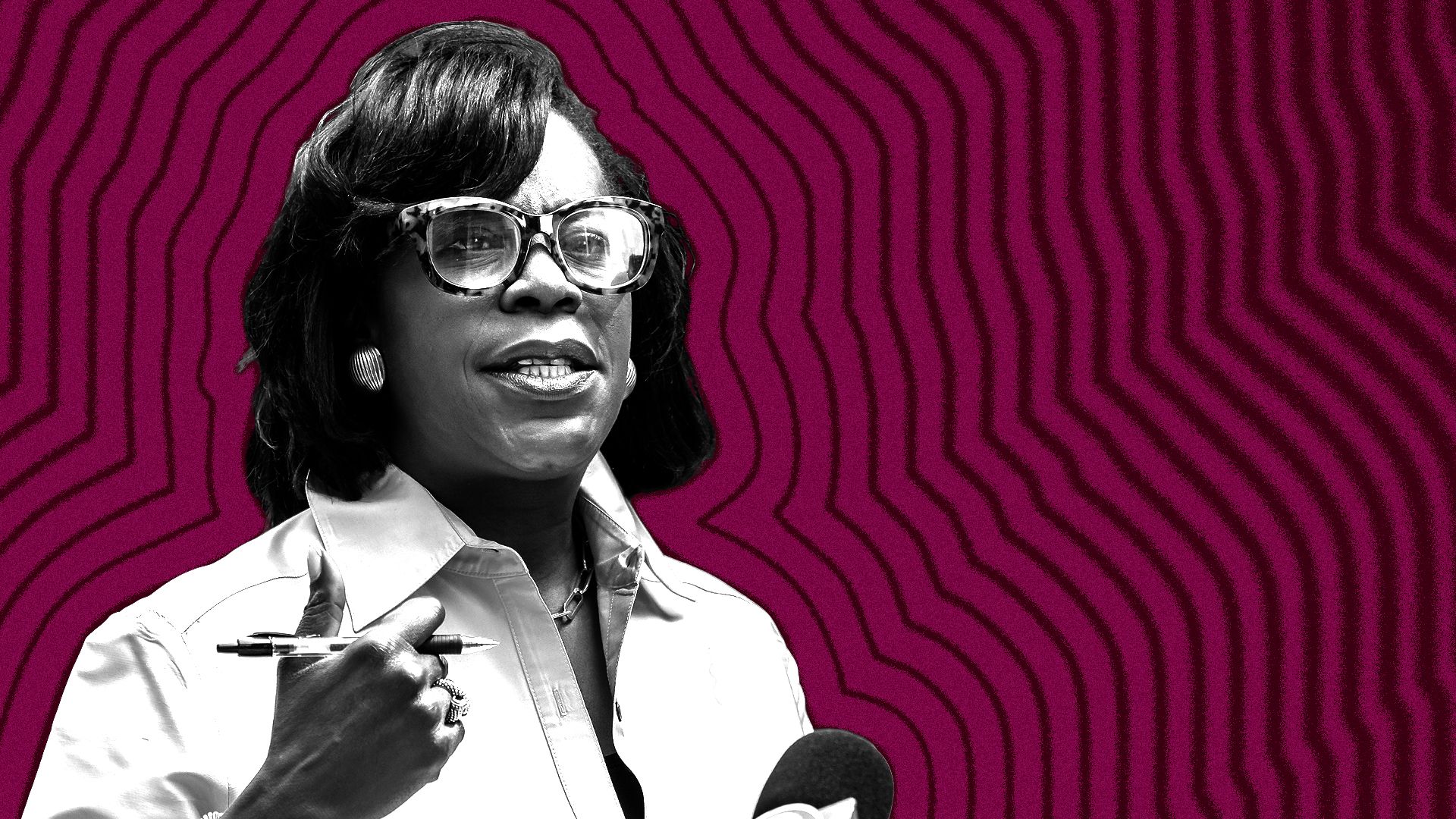
Photo illustration: Axios Visuals. Photo: Gilbert Carrasquillo/GC Images
Uber is launching an aggressive campaign to defeat Mayor Cherelle Parker's proposed rideshare tax — tapping a high-powered Philadelphia lobbying firm and warning riders how the fee will hit their wallets.
Why it matters: The fight is shaping up as Soda Tax 2.0, reminiscent of the bruising battle the beverage industry waged against former Mayor Jim Kenney's signature initiative to fund universal pre-kindergarten, plus renovations to parks and recreation centers.
State of play: The showdown pits an ambitious mayor searching for new revenue against a deep-pocketed company with a history of aggressive tactics to protect its bottom line — including filing a lawsuit alleging a racketeering scheme against a Philadelphia law firm representing crash victims.
- This new tax would be on top of a 1.4% gross receipts fee that the city's parking authority already charges rideshare companies.
- Uber has argued the tax is regressive and will disproportionately hurt lower- and middle-class riders and drivers — and lead to a 4.5% dip in rides across Philly.
The other side: The Parker administration has framed the rideshare tax as a progressive effort to help close the School District of Philadelphia's roughly $300 million deficit, which would keep the district from having to eliminate jobs and help it maintain adequate school resources for students.
- A Parker spokesperson did not respond to Axios' request for comment.
The latest: Uber sent a letter last week to the city's finance director, Rob Dubow, outlining its opposition to Parker's new plan to impose a $1 per ride fee starting next year (originally pitched as 20 cents) — a tax projected to generate about $48 million annually.
- The company has sent out targeted blasts over its app and emails to drivers and riders, explaining how they could be affected by Parker's plan.
- Uber is using government relations firm Bellevue Strategies to help coordinate its opposition campaign, the firm's president and CEO, Mustafa Rashed, confirmed to Axios.
Between the lines: Political analyst Jay McCalla tells Axios that Rashed, who was Parker's campaign spokesperson in 2024, is a notable pick for Uber given his ties to her administration — raising the potential for "bad blood" between the two sides.
- Rashed brushed aside that allegation, telling Axios he has a "great working relationship" with the Parker administration.
- "The mayor proposes policies for what she believes is in the best interest of the city," he added.
By the numbers: Uber argues Parker's proposed tax would fall largely on working-class riders — not wealthier residents.
- The company says rideshare apps are often essential for blue-collar and shift workers whose schedules don't align with public transit.
- Citing its own data, Uber says more than 17 million trips last year originated in "underserved" areas of Philly, as defined by HUD.
- Many of those rides, Uber says, were for doctor's appointments, pharmacy visits, urgent care trips or "last mile" connections — bridging the gap between transit stops and workplaces that aren't within walking distance.
What they're saying: "The administration is doubling down on a system that asks those with the least to carry the heaviest relative burden," Josh Gold, Uber's senior director of policy and communications, wrote in the letter, slamming city leadership for opting against "actual progressive taxes."
What we're watching: The 2016 soda tax fight could offer a preview of what the Parker administration could face with its proposal.
- The beverage industry mounted a multimillion-dollar campaign to try to defeat the proposal. It failed — but the effort was expensive and created rifts between the Kenney administration and some city lawmakers who opposed the sugary tax.
- Parker remains widely popular despite some stumbles, including criticism over her handling of the garbage strike and the 76ers' arena reversal in South Philadelphia.
The bottom line: The Parker administration may have miscalculated the rideshare tax as a "sleeper issue," McCalla says, but he warned the fight could "get nasty."
- He pointed to council's Working Families members as potential obstacles to getting the tax passed.
"There's a far broader base of people using Uber. If Uber wants to make a stink about it, it'll resonate with working-class people."
Editor's note: This story has been corrected to reflect that the Philadelphia Parking Authority charges rideshare companies a 1.4% fee on gross receipts (not a tax).