Philadelphia sheds title of poorest big city in America

Add Axios as your preferred source to
see more of our stories on Google.
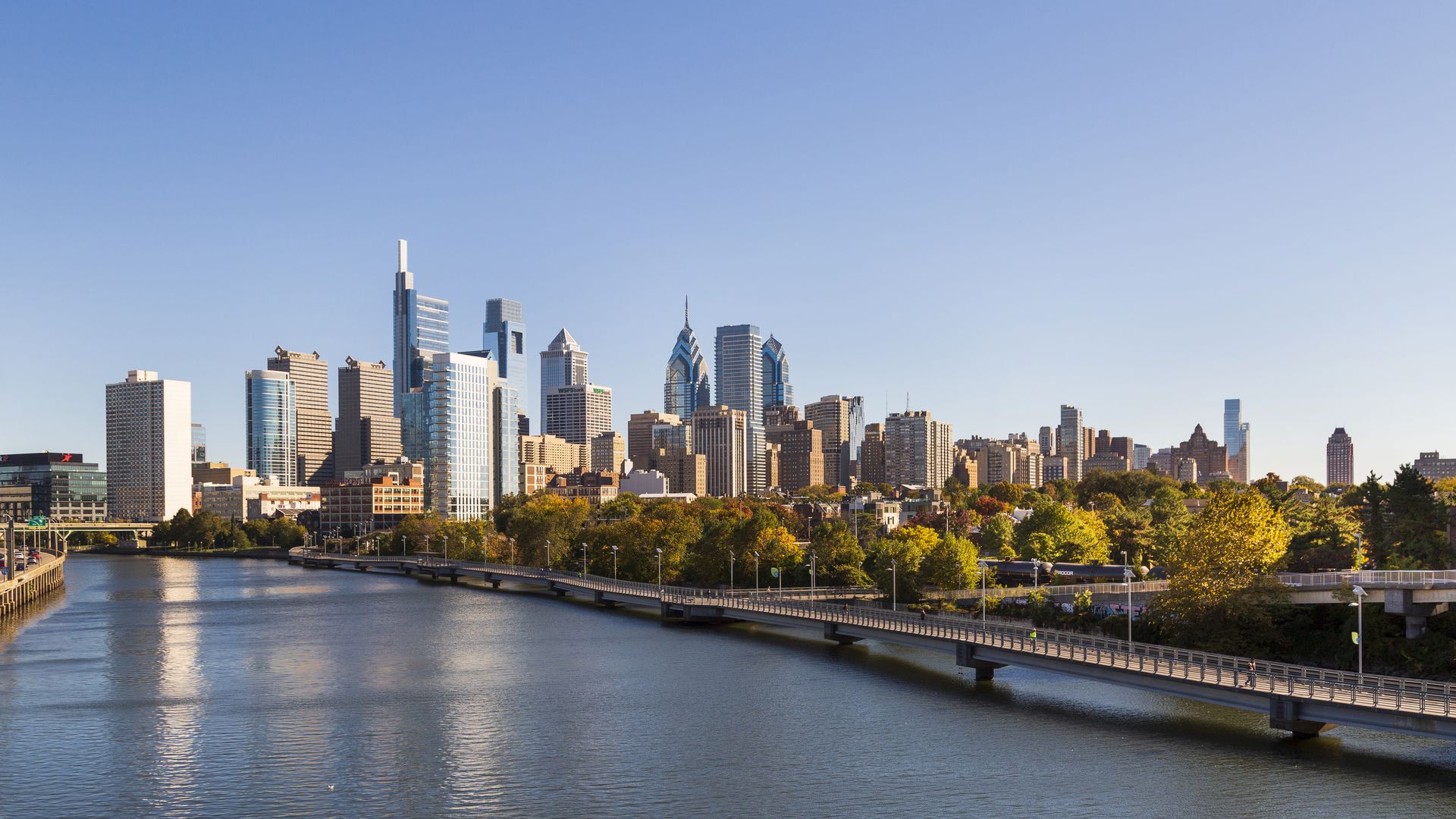
What a view. Photo: Jumping Rocks/Universal Images Group via Getty
Philadelphia has shed its label as the "poorest big city in America."
Why it matters: The city's decadeslong fight against poverty is showing promise, but challenges remain.
State of play: Philadelphia's poverty rate was 19.7% in the U.S. Census Bureau's 2024 estimates released Thursday, ceding the top spot among the nation's most populous cities to Houston (21.2%).
- It's Philly's lowest level of poverty since at least the late 1970s, per the Inquirer.
🧮 By the numbers: The nation's poverty rate was 10.6% in 2024, according to the estimates. Behind Houston and Philly, big cities with the highest poverty rates include:
- NYC: 18%.
- San Antonio: 17.1%.
- Chicago: 16.6%.
- Los Angeles: 16%.
🚨 Reality check: Poverty is among Philly's most enduring and persistent challenges.
- More than 300,000 Philadelphians are living in poverty, per census data.
- More than a quarter of all children in the city are below the poverty level (roughly 87,000 kids).
- It also disproportionately affects people of color.
Plus: The city's homeless population has been on the rise, and the city scores poorly in economic and upward mobility.
📉 The big picture: Philly has seen its poverty rate trend downward since peaking at 28.4% in 2011 amid the fallout from the Great Recession.
- City leaders have invested in big poverty-fighting measures in recent years.
- Mayor Cherelle Parker's recent budget includes massive investments for her housing initiative to boost affordable housing in the city.
- And Philly has been testing guaranteed income programs.
What they're saying: "While it is a milestone that Philadelphia is no longer the poorest big city in America, the Parker Administration takes no comfort in knowing that 1 in 5 Philadelphians still live in poverty," Tiffany Thurman, the mayor's chief of staff, tells Axios in a released statement.
- Bill Golderer, president and CEO of the anti-poverty nonprofit United Way's local affiliate, said continued collaboration between nonprofits, city leaders and businesses is needed to drive the numbers down further.