Arkansas joins birthright citizenship fight


Add Axios as your preferred source to
see more of our stories on Google.
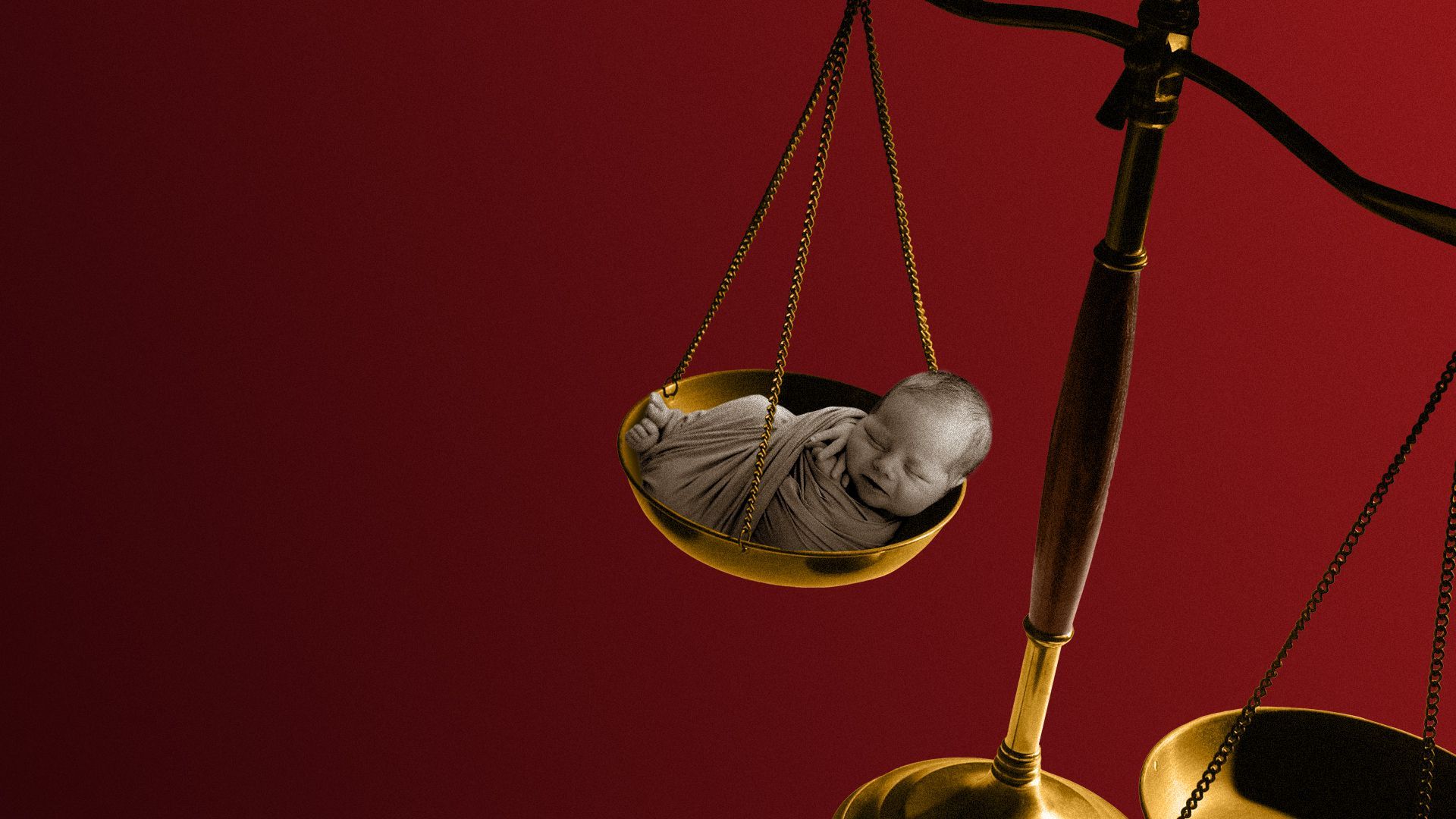
Arkansas Attorney General Tim Griffin joined 17 other Republican AGs in supporting President Trump's order to end birthright citizenship.
State of play: Griffin signed an amicus brief Monday against a multistate lawsuit to stop Trump's order, Axios' Erin Alberty and Kim Bojórquez write.
Catch up quick: A federal judge temporarily blocked Trump's order last week, calling it "blatantly unconstitutional," agreeing with 22 Democratic AGs who sought an injunction.
The latest: Griffin and the other AGs repeat Trump's arguments that children whose parents aren't citizens are "not subject to" American jurisdiction as envisioned in the 14th Amendment.
The big picture: The amicus brief was also signed by AGs in Iowa, Alabama, Utah, Florida, Idaho, Indiana, Kansas, Louisiana, Mississippi, Missouri, Montana, Nebraska, North Dakota, Oklahoma, South Carolina, South Dakota and Wyoming.
Between the lines: Several Republican AGs did not sign onto Monday's brief, including those from Georgia, Pennsylvania, Ohio, Virginia, West Virginia, New Hampshire, Tennessee, Texas, Kentucky and Alaska.
- Yes, but: Texas AG Ken Paxton has spoken out against birthright citizenship.
By the numbers: Immigrants make up about 5% of Arkansas' population, according to the American Immigration Council.
Zoom in: Immigrants and their children are not the only ones wary of Trump's order.
- His lawyers and the AGs' brief invoke arguments from an 1884 U.S. Supreme Court ruling that denied citizenship to Native Americans. Some tribal leaders see that as a threat against their members' U.S. citizenship.
- Congress granted citizenship to all Indigenous Americans in 1924, decades after the 1898 Supreme Court decision that codified citizenship for virtually everyone else born here.
What's next: Trump's order was blocked on Jan. 23 for 14 days.
- A hearing for a longer injunction is set for Thursday.
Go deeper: In a separate brief filed Monday, 18 U.S. House Republicans cited 17th-century English case law to defend Trump's birthright citizenship order, Axios' Sareen Habeshian reports.