Shrimpers cheer on Trump tariffs — but food prices likely to rise


Add Axios as your preferred source to
see more of our stories on Google.
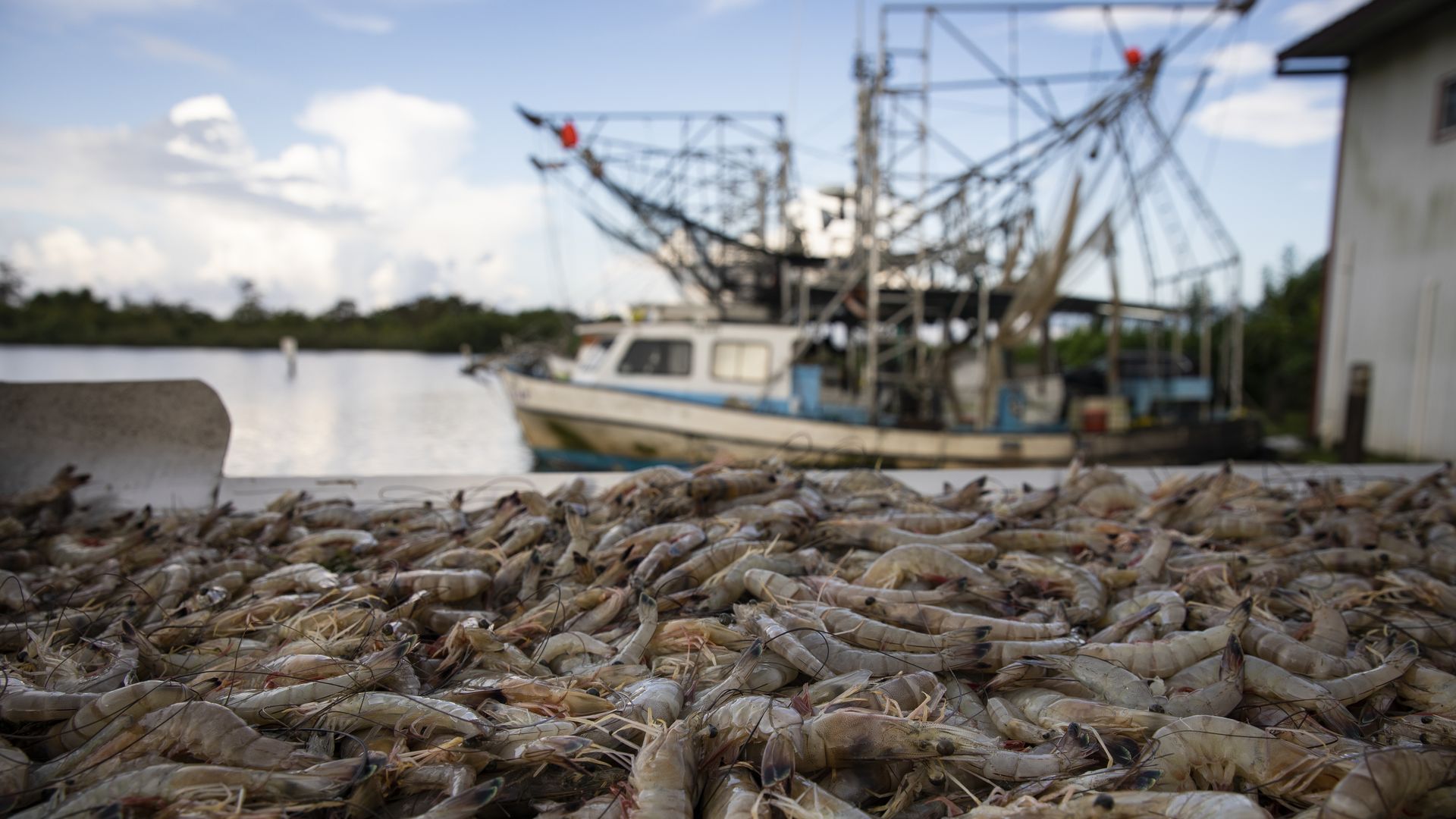
The shrimping industry in Louisiana employs about 15,000 people. Photo: Drew Angerer/Getty Images
An organization representing the shrimping industry in Louisiana and other Southern states is praising President Trump's new tariffs that will make imported seafood more expensive.
Why it matters: The tariffs are going to be complicated for many Louisianans as they are expected to increase food prices for consumers and restaurants, but could potentially be good for local producers who have been outpriced by cheaper imports.
The big picture: The Southern Shrimp Alliance says many shrimping businesses have had to close since 2021 as they have been unable to compete with imported options.
- "We are grateful for the Trump Administration's actions today," John Williams, executive director of the Southern Shrimp Alliance, said in a statement. It "will preserve American jobs, food security and our commitment to ethical production."
- Lt. Gov. Billy Nungesser also told Axios the tariffs are "good news for the Louisiana shrimping industry."
- "We will continue advocating for increased regulation and inspection of foreign seafood while promoting wild caught shrimp from off the Louisiana gulf coast as the healthiest and tastiest in the world."
Zoom out: Louisiana is the country's second-largest seafood supplier, with one out of every 70 jobs related to seafood, according to the Louisiana Seafood Promotion and Marketing Board.
- The shrimping industry alone employs 15,000 people, the group says.
Zoom in: More than 94% of the shrimp Americans eat comes from other countries, according to International Trade Commission data cited by the alliance.
- And more than 90% of that comes from four countries: Ecuador, India, Indonesia and Vietnam.
- The tariffs on those countries will range from 10% to 46%, the group says.
- "I think shrimp and seafood is going to get hit pretty hard," says Ed Gresser, trade director at the Progressive Policy Institute, who is a former assistant U.S. trade representative for policy and economics.
State of play: The president campaigned on a promise to bring down grocery prices, but the new tariffs announced last week will do the opposite for many staple foods.
- The groceries and food hit hardest, if these tariffs take effect, are the things mostly not grown or harvested in the U.S.
- For example: coffee, imported shrimp, chocolate, vanilla, bananas, fruits and vegetables from South America (the berries you buy in winter).
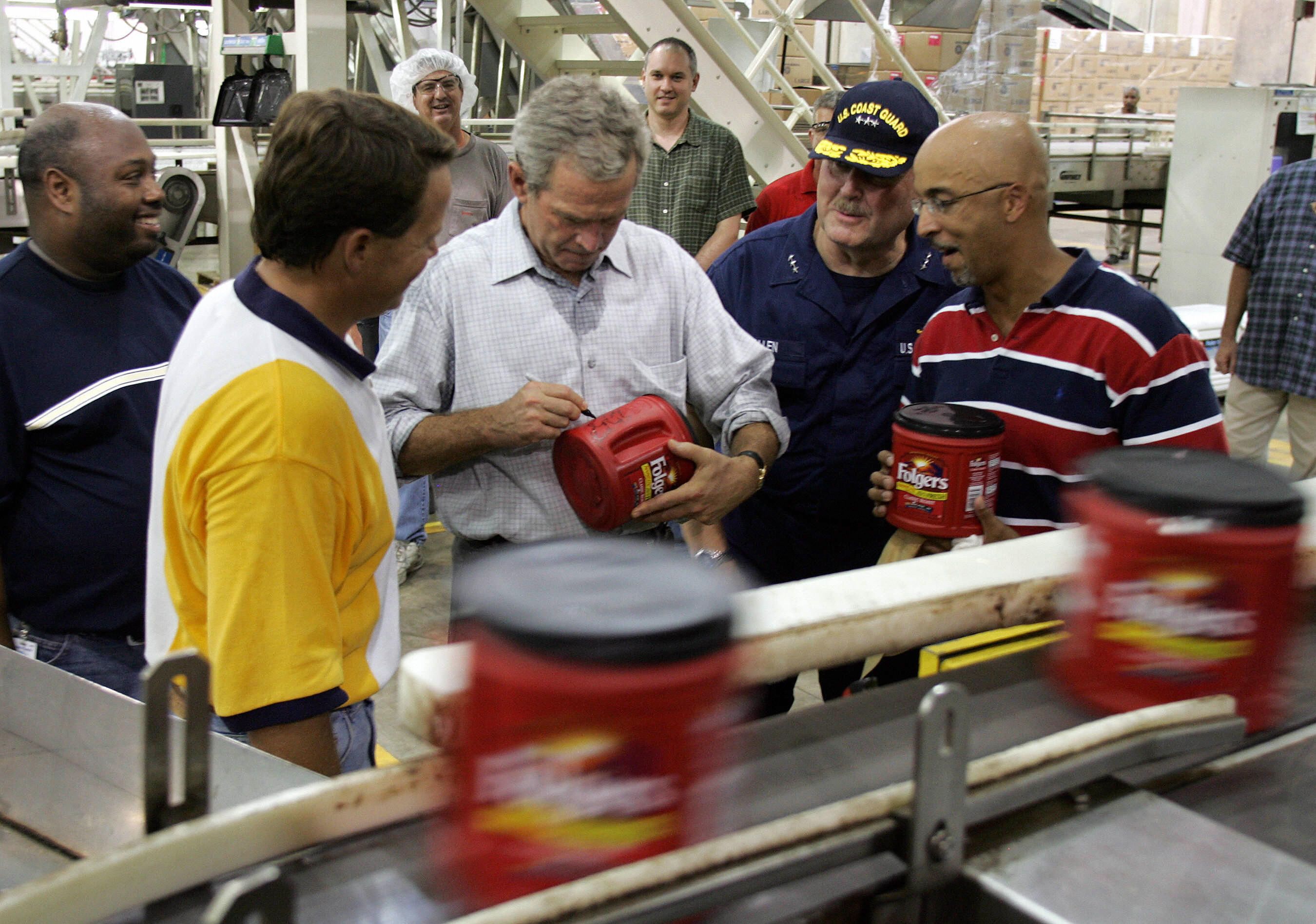
Coffee is another big industry in Louisiana.
- The U.S. imports 99% of its coffee, per the National Coffee Association, and many of those beans come through the Port of New Orleans.
- The city has been one of the country's biggest coffee importers for about 300 years, writes Brian Udall for Tasting Table. The beans are then roasted locally or shipped elsewhere.
- JM Smucker — which makes Folgers, Dunkin' and Cafe Bustelo — roasts all its beans in New Orleans in what the company says are the world's largest coffee roasting facilities.
By the numbers: Implementing the new reciprocal and baseline tariffs, on top of the other taxes on imports already imposed by the White House, would increase fresh produce prices by 4% and food prices overall by 2.8%, per the Yale Budget Lab's model.
- But prices for certain products will rise further.
Reality check: It could've been worse.
- The president didn't include Mexico and Canada in his 10% baseline tariff assessment.
- Though those countries are now subject to 25% tariffs, there are exemptions under the USMCA that allow imports of goods that are actually made or grown in those countries.