Louisiana's fishermen are aging, but 1 New Orleans chef has a solution

Add Axios as your preferred source to
see more of our stories on Google.

Illustration: Aïda Amer/Axios
A New Orleans chef has partnered with a Chalmette community college to create a new program to train the next generation of deckhands.
Why it matters: Louisiana is the country's second largest seafood producer, but its commercial fishermen are, on average, among the oldest in the country, and too few people are following in their footsteps to keep the industry going.
The big picture: Louisiana's commercial fishing industry is enormous.
- Pegged at an economic impact of $2.4 billion annually, according to the state's seafood marketing board, the industry touches one of every 70 jobs.
- Many of those jobs are part of long-time, family-owned businesses that have worked in the state's coastal communities for generations.
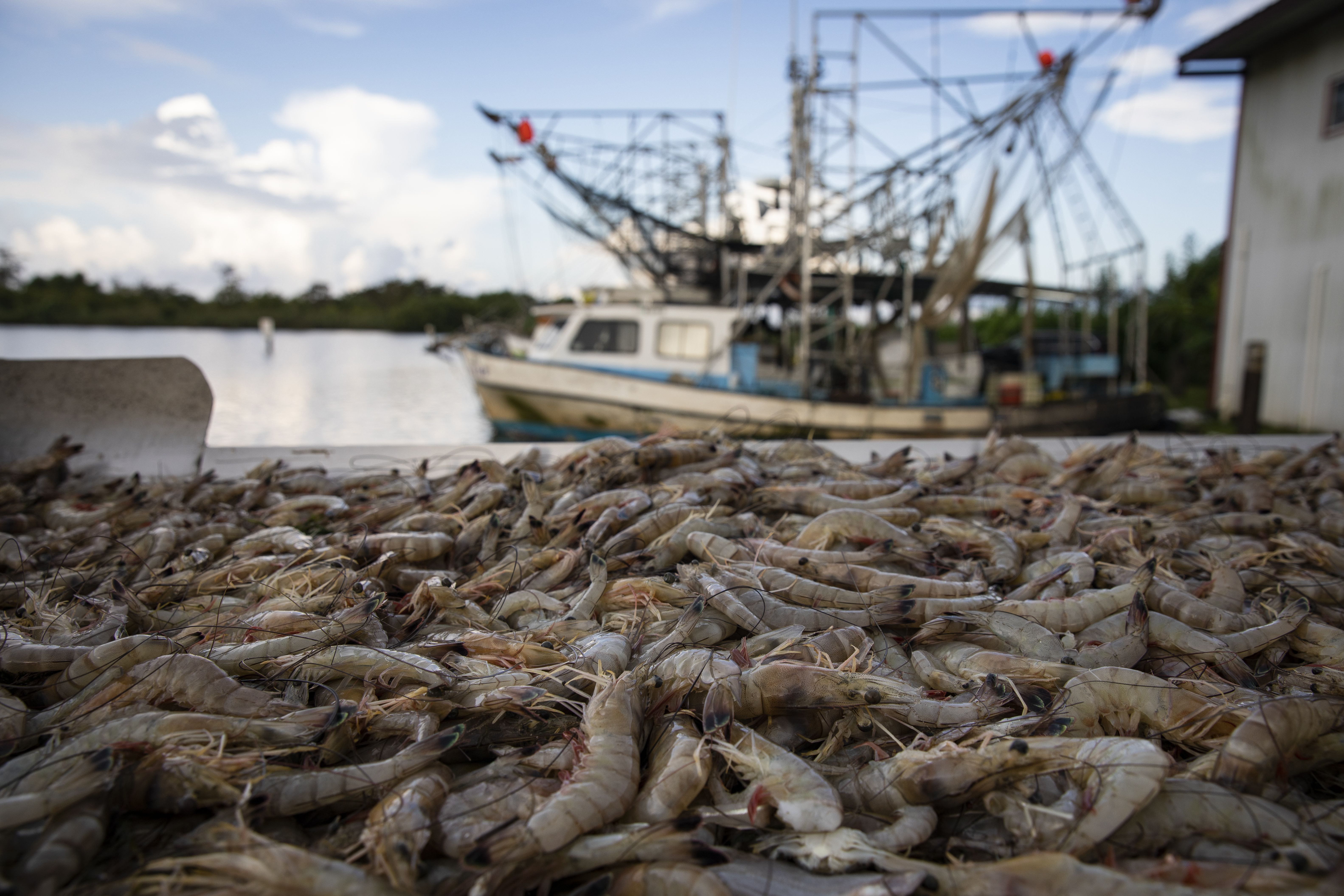
But it can be a tough life. With ever-strengthening storms during hurricane season, ongoing pricing struggles thanks to imported seafood and the increasing cost of coastal living, it's getting even tougher.
- "The price of shrimp is as low as it was in the 80s," says Julie Lively, the executive director of the Louisiana Sea Grant College Program. "The cost of doing business, [buying] diesel, gas, transportation, even ice has gone up, and the price of shrimp has not, so a lot [of Louisiana's fishing families] feel like they're just not seeing profit for their kids."
- Instead of passing family businesses down to the next generation, Lively says, a lot of Louisiana's fishermen are encouraging their children to find new opportunities.
- That's why the average age of the state's fleet is steadily increasing, a phenomenon known as the graying of the fleet.
By the numbers: In 2000, the average age of Louisiana's commercial license holders for shrimp fishermen was 43.
- In 2018, it had risen to 54, according to the most recent available data from the Louisiana Department of Wildlife and Fisheries.
- Similar jumps were seen in oyster, crab and wild crawfish fishers.
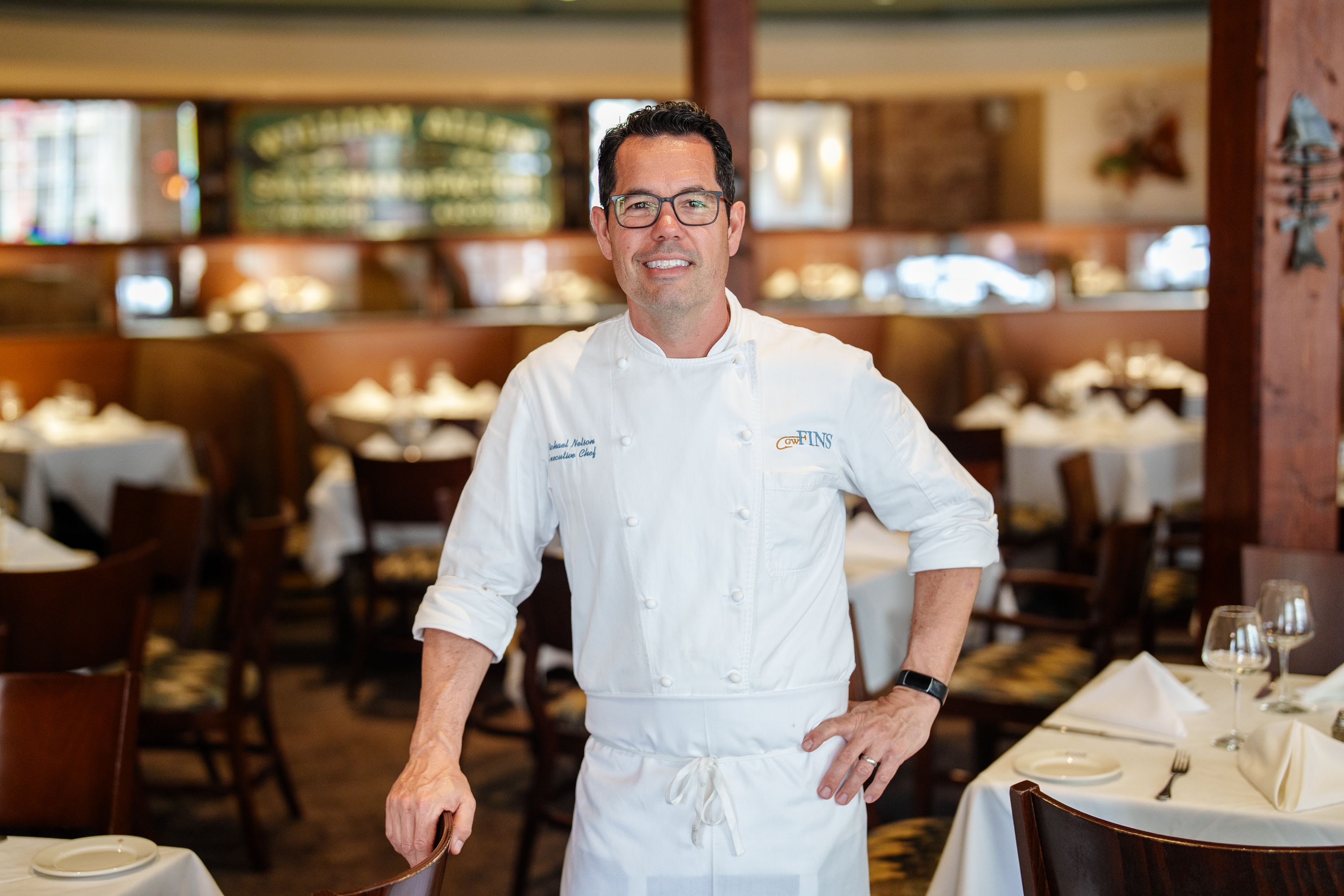
Zoom in: That's a big problem for chef Mike Nelson, the executive chef at GW Fins, where the menu focuses on serving Louisiana seafood.
- When Nelson began buying whole fish for his restaurant, he dealt directly with fishermen instead of wholesalers.
- "I've seen the graying of the fleet firsthand," Nelson tells Axios New Orleans. "But they're the ones that keep the city rolling. … So I was like, I want to try to find the next generation of fishermen. … There are people who are going to want to do this, you've just got to find them."
To make that happen, Nelson partnered with Nunez Community College coastal program studies manager Jacqueline Richard.
- Together, they designed a program that's pretty much ready to go once they find a program manager.
- The curriculum, Richard says, would cover everything from safety procedures to hands-on experience on different boats. Plus, offering it through the college opens up the opportunity for students to get financial aid to cover the cost.
- "There's definitely quite a bit of interest," Richard says, from potential students, especially those who don't have fishing experience within their own families to draw from.
Yes, but: There's one big problem.
- "In order to have a program through the college," Richard tells Axios New Orleans, "[deckhands] have to be a recognized job in the Louisiana Workforce Commission."
- That's a surprising hurdle in a state with such a big fishing industry, and there's still no clear timeline for when it'll happen.
- Until then, it's a race against the clock as the state's fleet continues aging and a wealth of institutional knowledge disappears whenever a member of it retires.