Hurricane Francine makes landfall in Louisiana


Add Axios as your preferred source to
see more of our stories on Google.
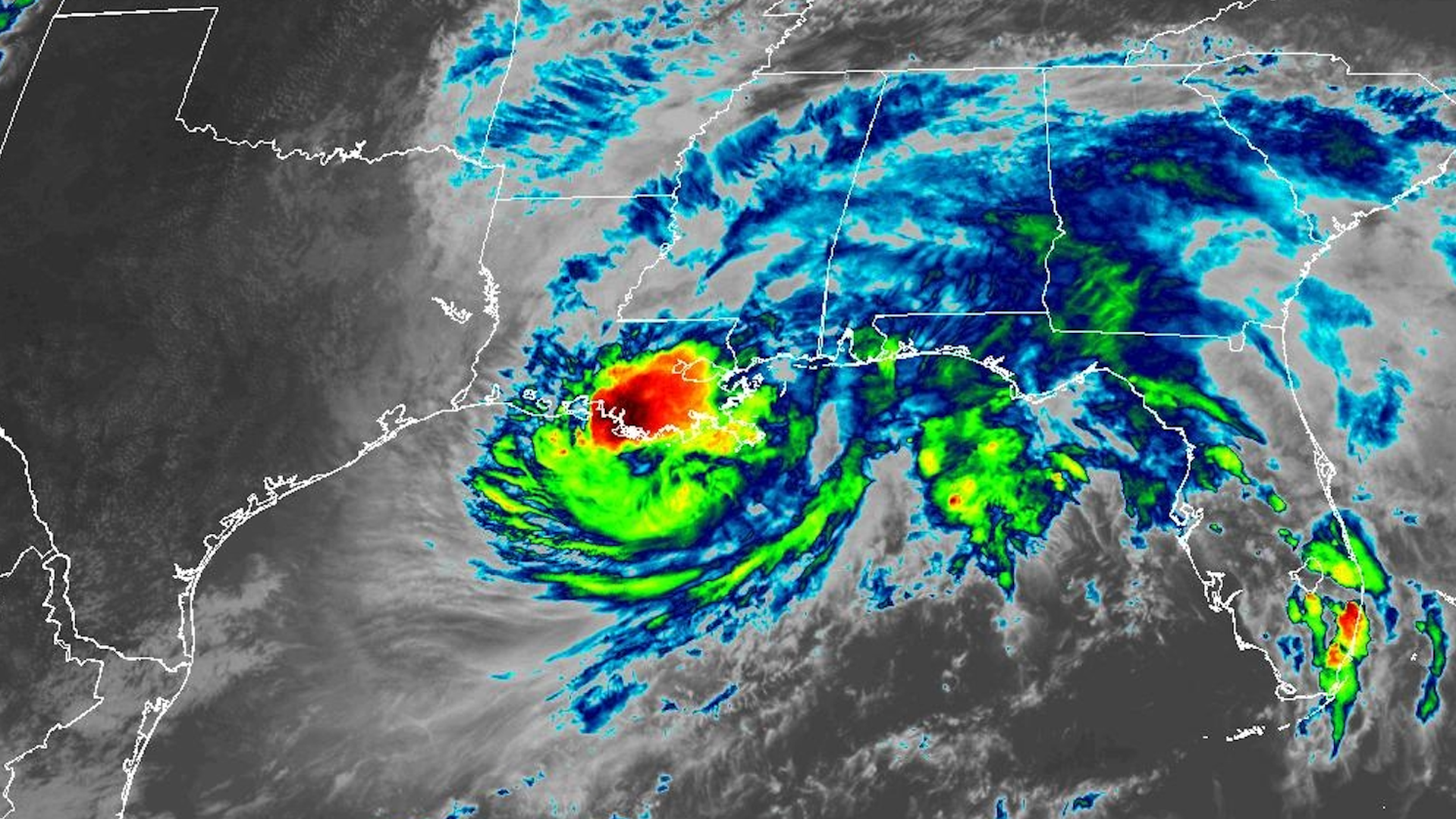
Image: NOAA
Editor's note: Follow Axios New Orleans' storm updates
Hurricane Francine made landfall around 5pm local time in Louisiana's Terrebonne Parish with winds near 100mph, the National Hurricane Center said Wednesday.
The latest: Francine was downgraded to a tropical storm as it passed some 35 miles west-northwest of New Orleans, according to a 10pm update from the NHC.
The big picture: Francine is dumping heavy rains and bringing damaging winds and life-threatening storm surge to southeast Louisiana.
- Landfall was about 30 miles southwest of Morgan City.
- The Category 2 hurricane is expected to rapidly weaken as it heads northeast at 17mph. It's forecast to reach Mississippi as a tropical storm and Memphis, Tennessee, as a tropical depression.
- Heavy rain and tornadoes are possible along its path north.
Zoom in: Hurricane Francine's eye may pass close enough to New Orleans to bring some of the most intense winds uncomfortably close to the metro area.
- The city is under a tropical storm warning and a hurricane watch given its potential proximity to the storm's inner core.
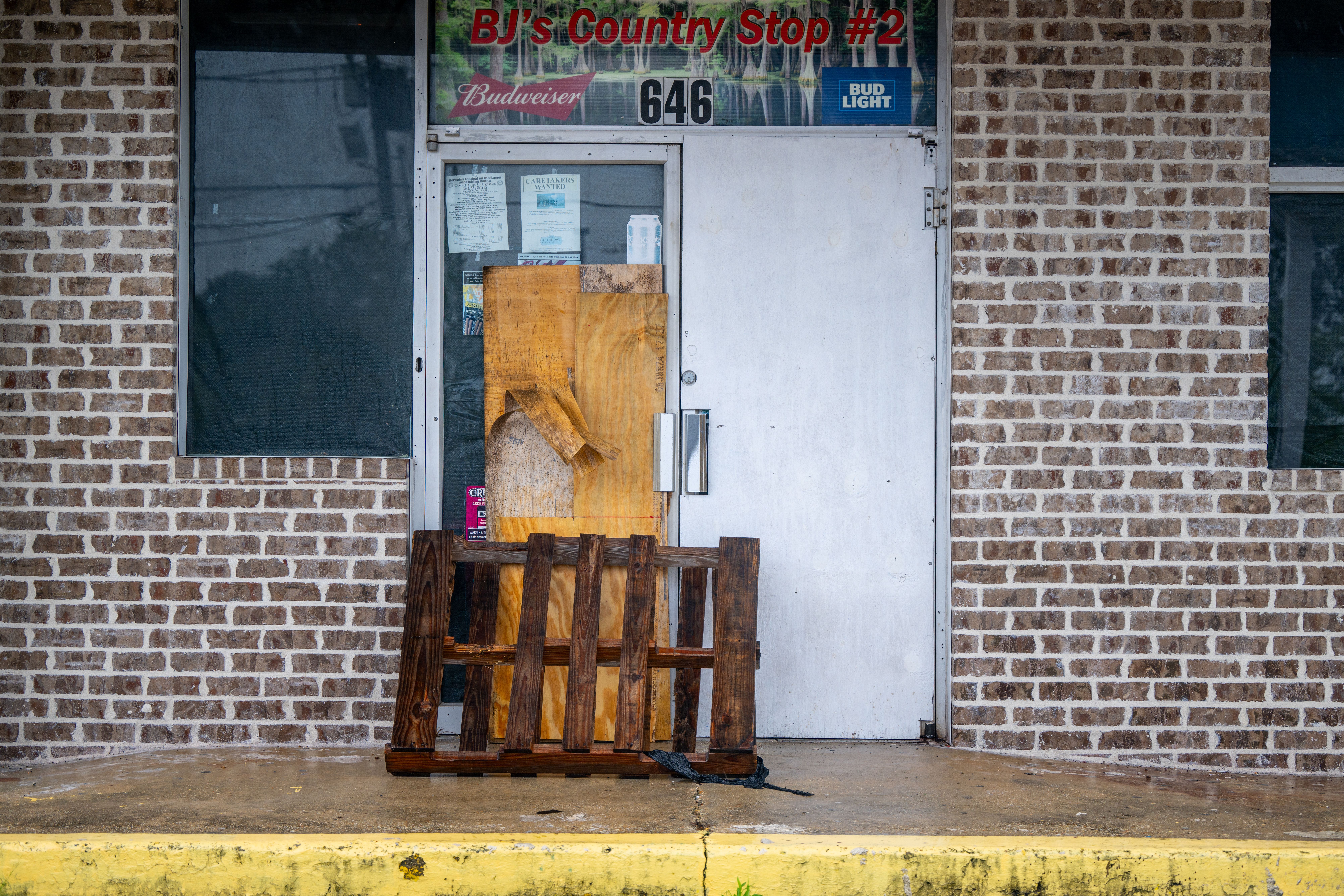
- Residents in metro New Orleans are sheltering in place and officials have asked drivers to stay off the roads Wednesday.
Between the lines: Hurricane Francine is hitting a part of the Gulf Coast uniquely vulnerable to storm surge flooding, due to sinking land, sea level rise and the shape of the coastline.
- Predictions call for 5 to 10 feet of water above normally dry ground along the central Louisiana coast, if the peak surge hits a high tide.
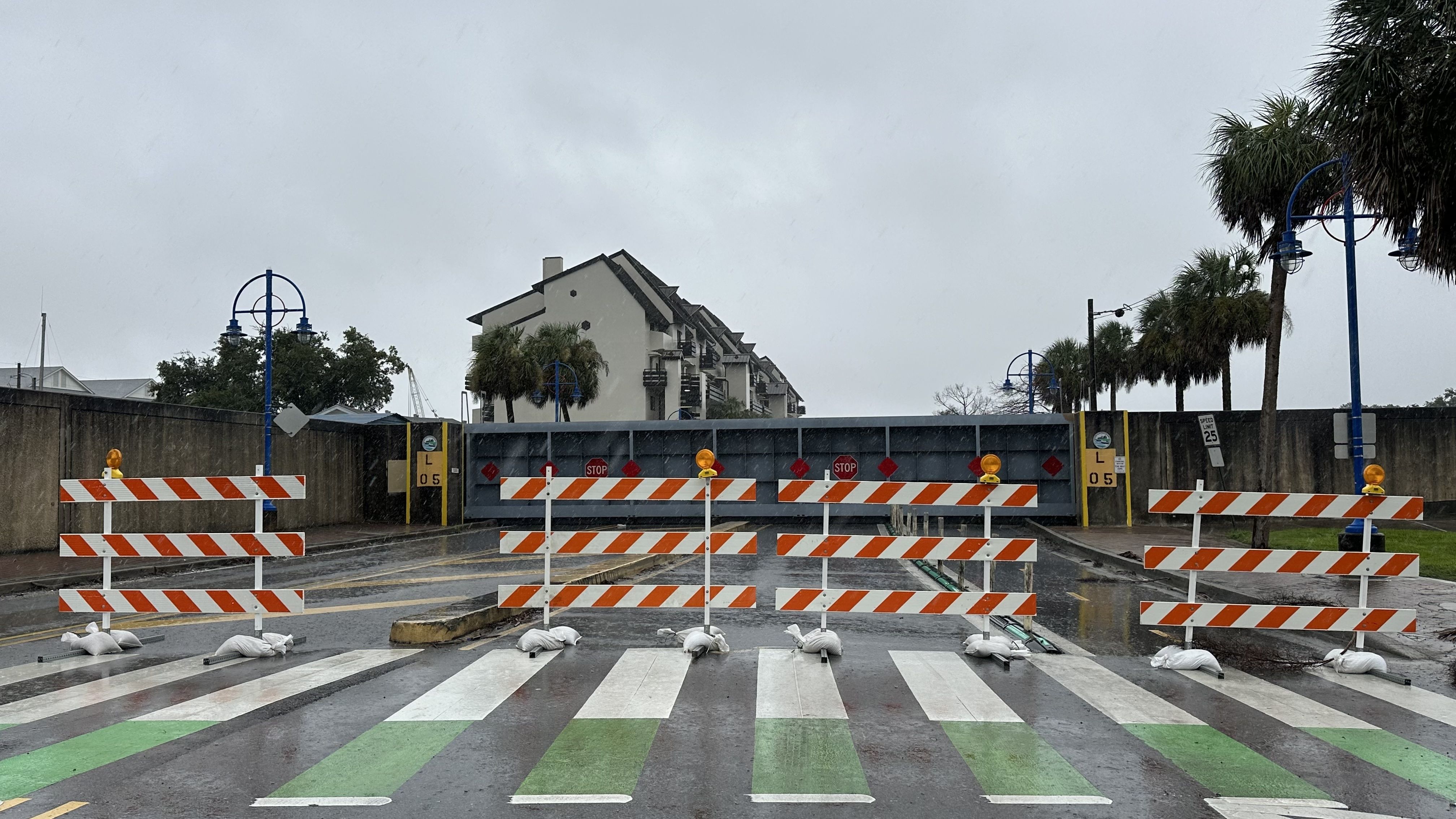
- Lake Pontchartrain, which borders New Orleans, is forecast to see a 4-to-6-foot surge. The flood gates were closed Wednesday along Lakeshore Drive, which provides access to the lake.
Context: The storm has been feeding off the unusually warm Gulf of Mexico waters, which has the highest level of ocean heat content on record for the region at this time of year.
- Climate change is making tropical cyclones deliver more rainfall and intensify more rapidly while also causing storm surge flooding that's more damaging through rising sea levels.
See more photos from New Orleans