Why Greater Houston embraces housing sprawl


Add Axios as your preferred source to
see more of our stories on Google.
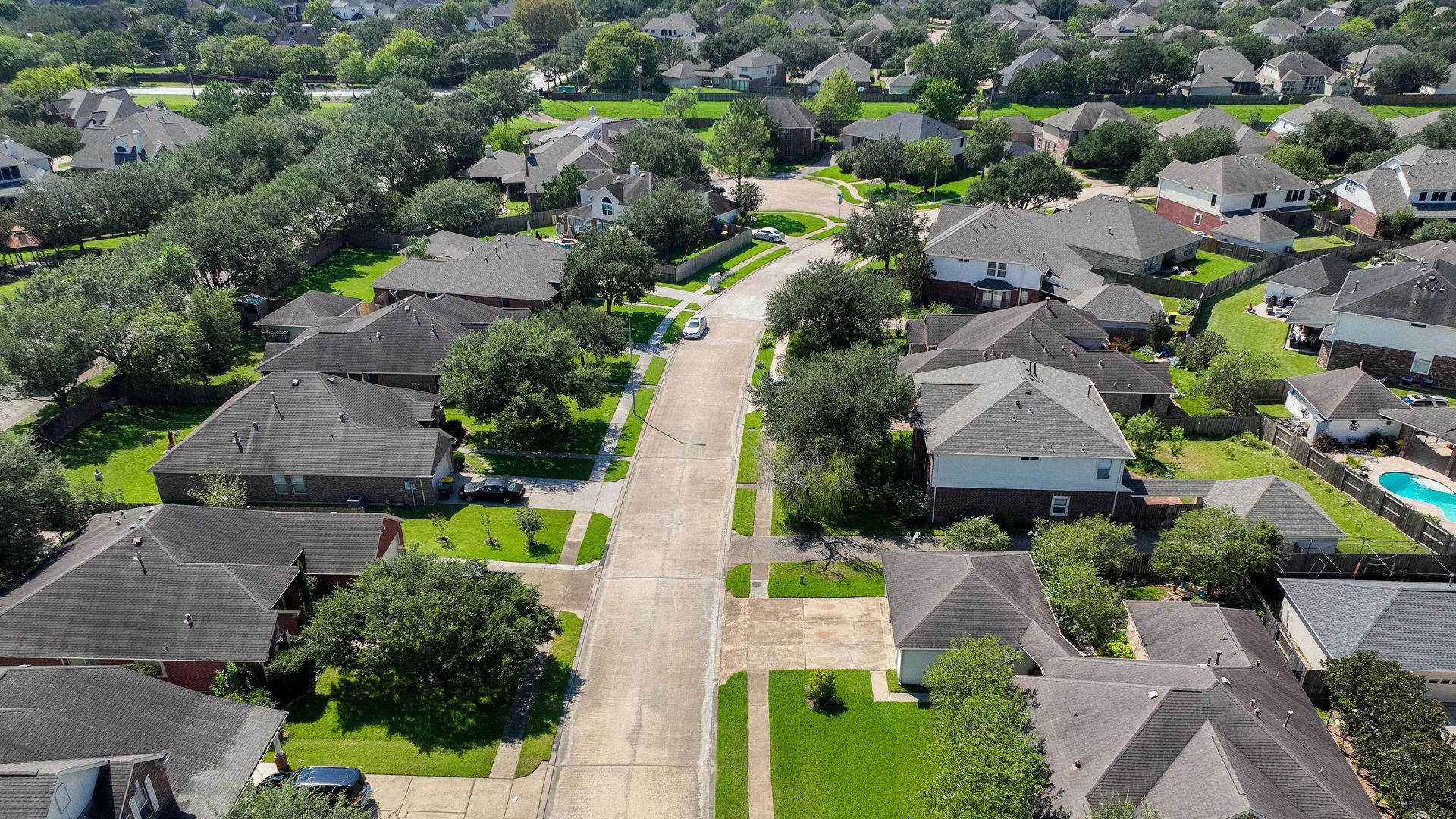
A sprawling neighborhood in Pearland. Photo: Brandon Bell/Getty Images
Greater Houston housing could be even more expensive if not for new development in the sprawling suburbs, according to a new George W. Bush Institute report.
Why it matters: People want to move to Texas and specifically to the Houston region.
- America is short at least 3.7 million housing units, driving up the cost of renting or buying. Even Texas, which leads the nation in residential construction, is still short at least 300,000 units.
The latest: Houston and other Sun Belt metro areas offer more affordable houses and apartments than equally in-demand coastal cities, like San Francisco, because they have less-restrictive housing policies, report found.
- By staying ahead of the population growth, Sun Belt cities have kept housing prices about 10% cheaper than they otherwise would be, the report estimates.
- Yes, but: Many coastal cities don't have as much open space to build on compared to Sun Belt cities.
Stunning stat: If every large U.S. metro had similar housing policies to Greater Houston and other Sun Belt regions, about 5.6 million additional homes would have been built nationwide from 2010 to 2023.
- The average home price could be $115,000 lower and monthly rents could be $450 cheaper if the biggest metros added housing at a rate consistent with Sun Belt cities, the study found.
What they did: Economists with the nonpartisan independent policy institute at Southern Methodist University analyzed population, income and real estate data from the 250 largest metro areas since 2010 to determine how cities are meeting the demand for housing.
- The report focuses on the country's fastest-growing cities.
What they found: The U.S. population has shifted from the coasts and the northeast to Sun Belt cities in the South and mountain metros in the West.
- The 25 fastest-growing Sun Belt cities — including Houston and other major Texas metros — accounted for 42% of single-family houses and 36% of apartments built in the last seven years.
Zoom in: Houston accounted for 5.2% of new housing production in the largest 250 U.S. metros from 2010-2023, per the report.
- D-FW accounted for 5.1%.
- Austin, meanwhile, accounted for 2.6% of all new housing production.
Reality check: Though Sun Belt metros have more affordable real estate than restrictive coastal cities, housing in the Sun Belt still remains too expensive for people at the lowest income levels.
Between the lines: The housing growth hasn't come from increasing density in most core cities, like Dallas or Fort Worth. But Houston stands out as having allowed medium density in neighborhoods typically designed for single-family homes.
- Houston was the first large U.S. city to reduce minimum lot size rules, first near downtown in 1998 and citywide in 2013, the report found.