Why August is a big stargazing month for North Texans


Add Axios as your preferred source to
see more of our stories on Google.
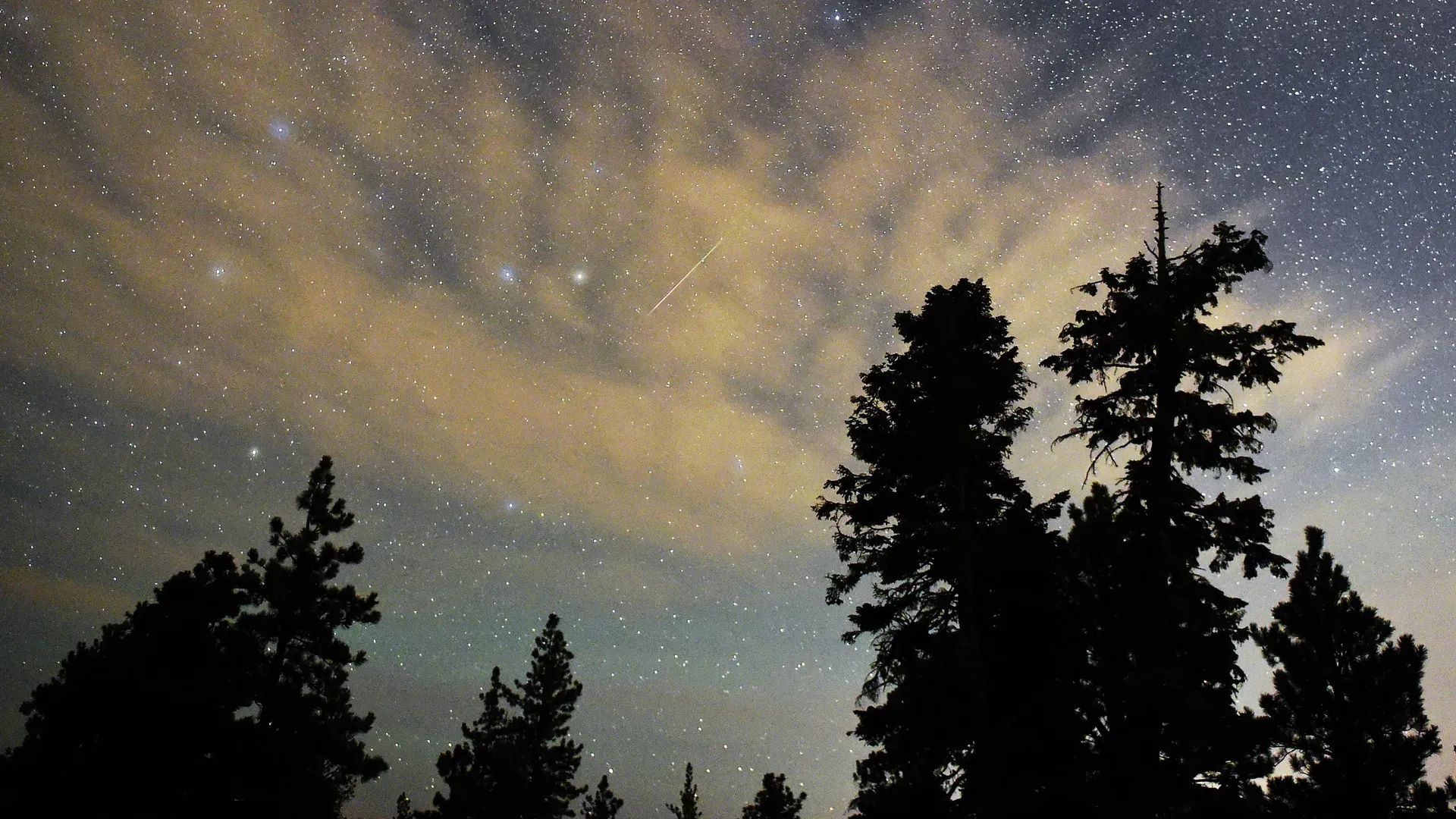
Photo: Ethan Miller/Getty Images
The stars at night may appear bigger and brighter deep in the heart of Texas this month.
The big picture: August is one of the best months for skygazing. The coming weeks are expected to bring shooting stars and a nearly eclipsed full Moon.
- And, fortunately, the Dallas area is forecast to have clear skies over the next several days to support your stargazing endeavors.
State of play: Texans have the opportunity to catch three meteor showers this month.
- Dozens of meteors could streak across the sky per hour when the annual Perseids meteor shower peaks this week.
- Through Aug. 21, you can also catch glimpses of the more subtle Delta Aquariid meteor shower, which is most visible starting mid-evening.
- The Alpha Capricornids, which are known for producing bright fireballs, will be active through Aug. 15, according to the American Meteor Society.
The intrigue: The Perseids meteor shower is especially favorable for viewing because it coincides with a dark new Moon. The best time to watch is from midnight Wednesday to dawn Thursday.
How to watch: Places with low light pollution, such as rural parts of North Texas, will give you the best chance to see the meteoric displays.
- Lakewood Village in Denton County has held the designation of an international dark sky community since 2019. The town is hosting a Perseid meteor shower watch party from Wednesday night to early Thursday.
- Give your eyes 20 minutes to adjust to the dark, put your phone away and scan the whole sky — meteors can appear anywhere.
Fun fact: Look low in the western sky 30 to 60 minutes after sunset Friday to Sunday to find the brightest "star" in the evening sky. That's Venus!
Zoom out: A deep partial lunar eclipse will darken nearly all of the full Sturgeon Moon on Aug. 27.
- The partial eclipse will begins around 8:30pm and peak around 11pm, when about 94% of the Moon will be covered by Earth's shadow.