How Frito-Lay chips are created


Add Axios as your preferred source to
see more of our stories on Google.
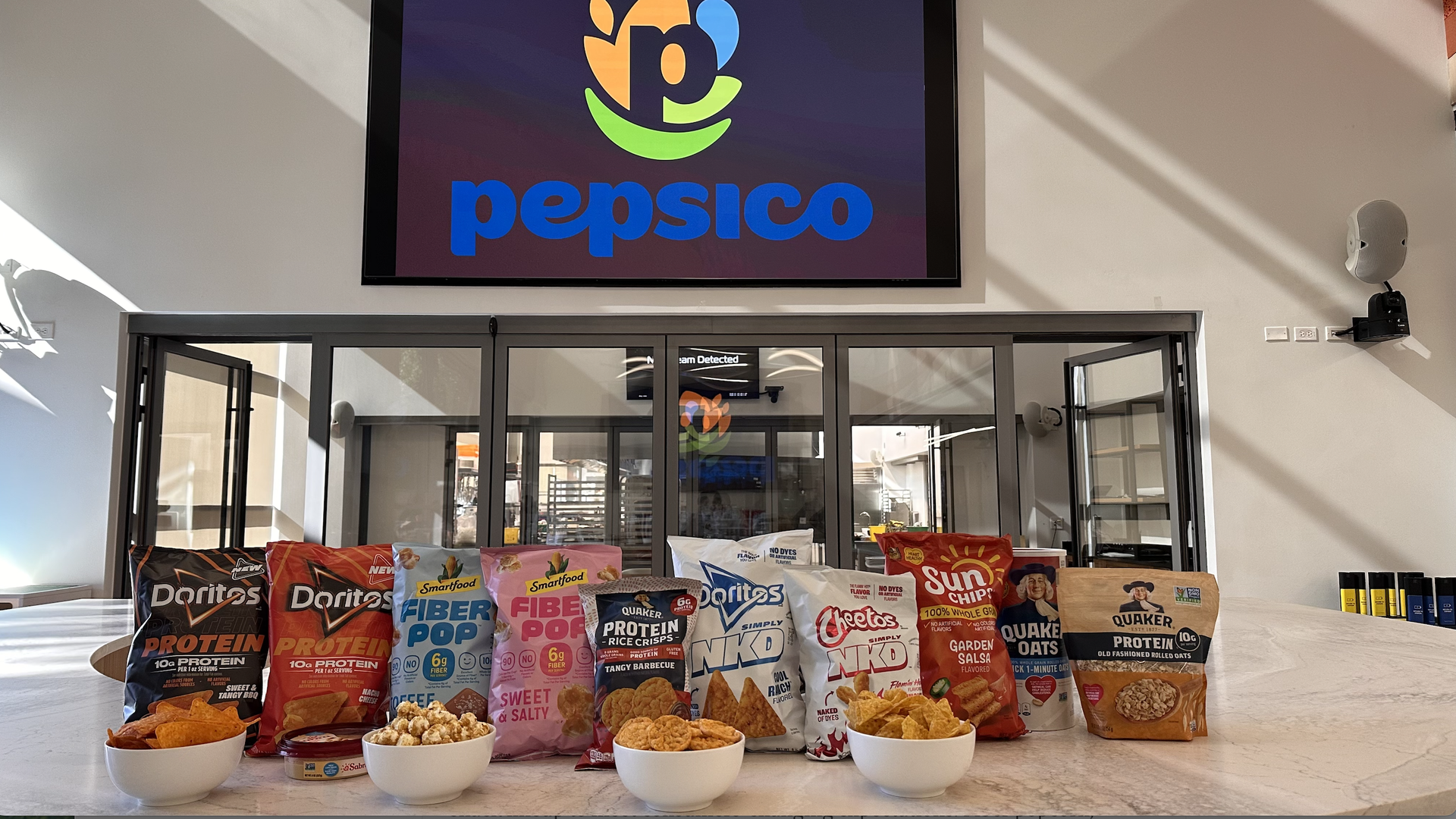
The snap of a Doritos chip, the kick to a Hot Cheeto and the airiness of a Quaker rice cake are the result of rigorous testing — and, chances are, your favorite Frito-Lay snack has a North Texas connection.
Why it matters: Pepsico, the Frito-Lay parent company, has 19 research and development hubs globally.
- One of the hubs is in Plano, where chefs and thousands of taste testers — along with a smaller pool of super-tasters — develop, test and finalize snack flavors before they go into production.
The big picture: PepsiCo regularly updates its snack lineup to meet consumers' changing expectations. Fiber popcorn, protein Doritos and Simply NKD chips are among the newest arrivals.
- Axios got an exclusive tour of the newly renovated Plano R&D center to learn how the company's snacks go from idea to shelves.
Vibe check: The center spans just under 190,000 square feet. It includes a fully stocked test kitchen and over a dozen chefs specializing in food science, nutrition and food service.
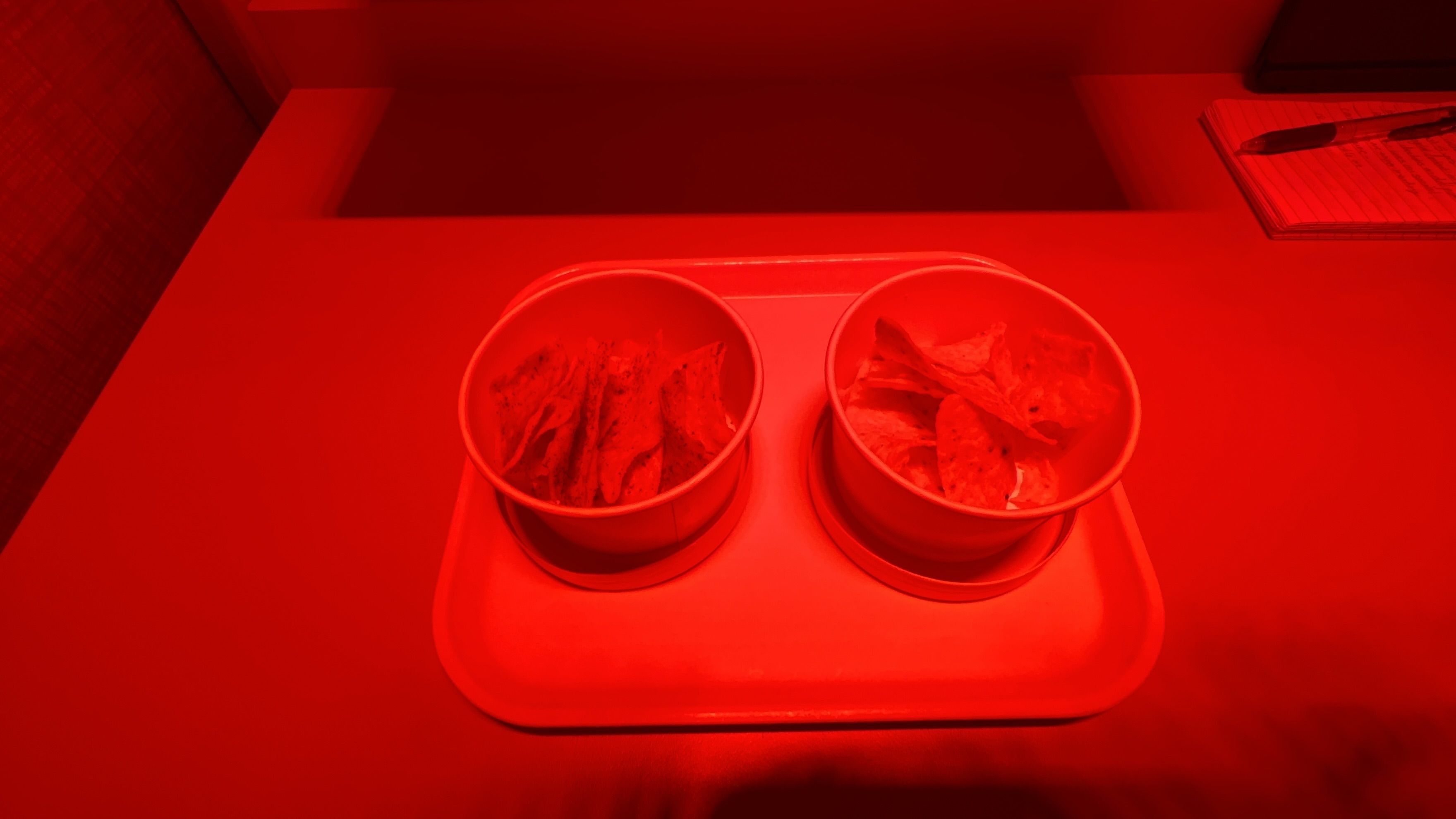
- There's also an onsite packaging lab, greenhouse and a red light room that makes it hard to discern between two products based on color alone.
Reality check: Adding protein to chips and other consumer favorites takes extra effort, making sure the product hits the right amount to earn its FDA label and tastes good.
Fun fact: The cream colored NKD Hot Cheetos are spicier than the red-colored original, and that's deliberate.
- "You eat with your eyes first," says Alex Tipton, the R&D director of PepsiCo's North America Foods division.
- "When you see this stuff, you've already made a lot of decisions the second that you see it. That's why for the NKD Flamin' Hot, it was a conscious decision to give that spice a little bit more of a bump," Tipton says.
What's next: PepsiCo is transitioning to natural pigments and more sustainable packaging.