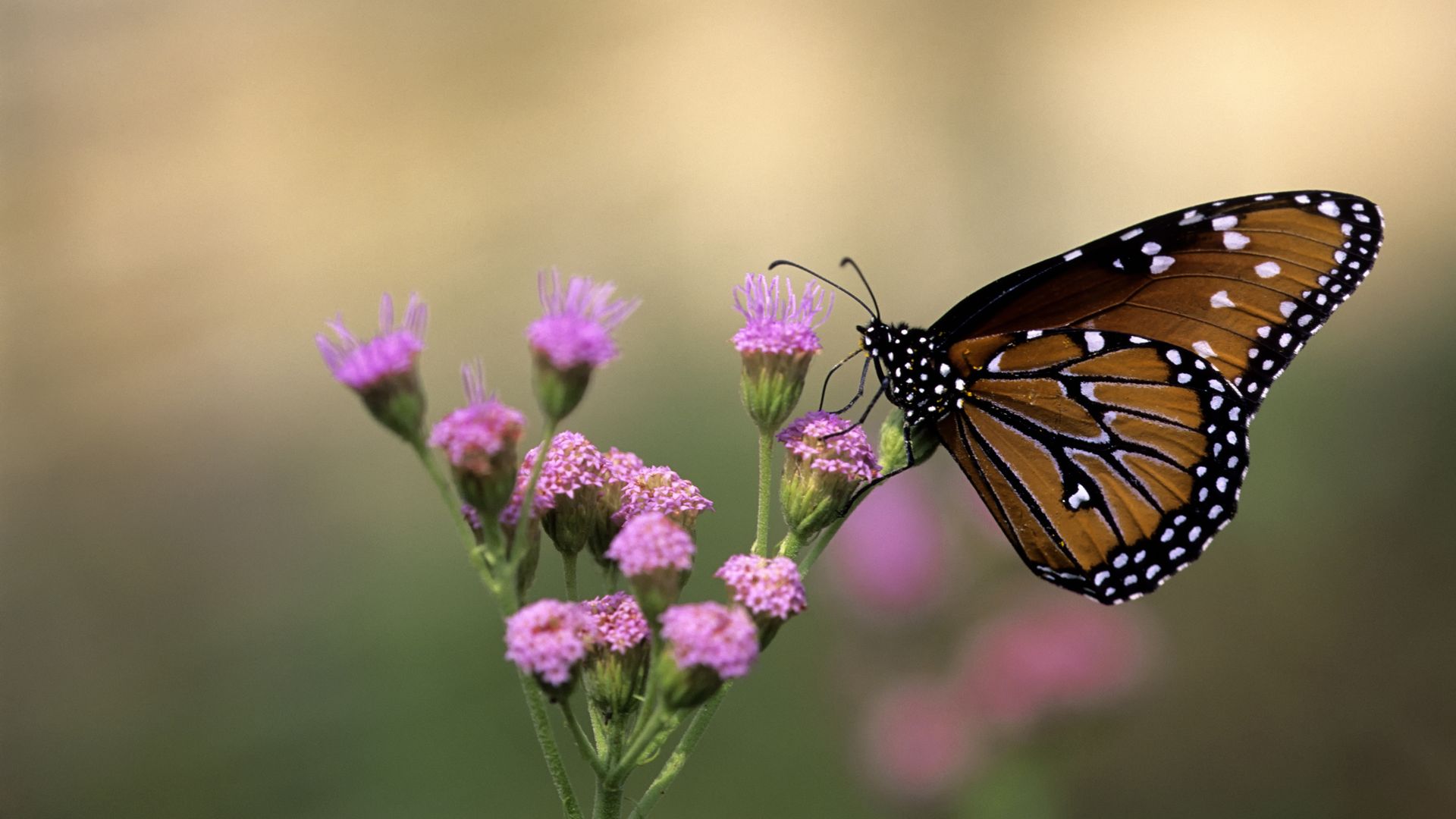
A combination of climate change, pesticide use, habitat loss — land is converted for agriculture or development — could be responsible for their declining populations, the New York Times reports.
What they did: Researchers analyzed 12.6 million individual butterflies across 35 monitoring programs from 2000 to 2020.
State of play: The study found that 103 of the 138 butterfly species found in the Dallas area are decreasing nationally.
21 species are increasing in population, and 18 have had little change.
Threat level: The U.S. has lost 22% of its butterflies in the last 20 years.
"The loss that we're seeing over such a short time is really alarming. Unless we change things, we're in for trouble," Elise Zipkin, a quantitative ecologist and one of the study's authors, told the New York Times.
Zoom in: 33% of the 342 species examined showed significant declines, and less than 3% showed significant increases, per the study.
The orange and black American Lady population was down 58%.
Worthy of your time: Enter your city in this New York Times interactive to see how the butterfly population near you is changing.