
What's next for Floral Farms


Add Axios as your preferred source to
see more of our stories on Google.

Illustration: Sarah Grillo/Axios
After years of complaints, a southern Dallas neighborhood scored a major victory at City Hall: Industrial businesses can no longer move to the area and existing industrial sites cannot expand.
Why it matters: Floral Farms, which once housed a toxic mountain of discarded shingles, could set an example for other neighborhoods that are trying to fight environmental injustice.
- Residents in West Dallas, Joppe and Fort Worth's Echo Heights are also asking city leaders to approve their rezoning requests to limit industrial businesses near homes in those areas.
Catch up fast: Floral Farms was annexed by the city of Dallas in the 1950s as an agricultural district, a catch-all designation for mixed uses. The city later rezoned the area as industrial, even though there were already homes in the area.
- Roof shingles started piling up behind Marsha Jackson's street in 2018, after a recycling company moved in.
- The mound grew taller than Jackson's single-story house and became known as Shingle Mountain.
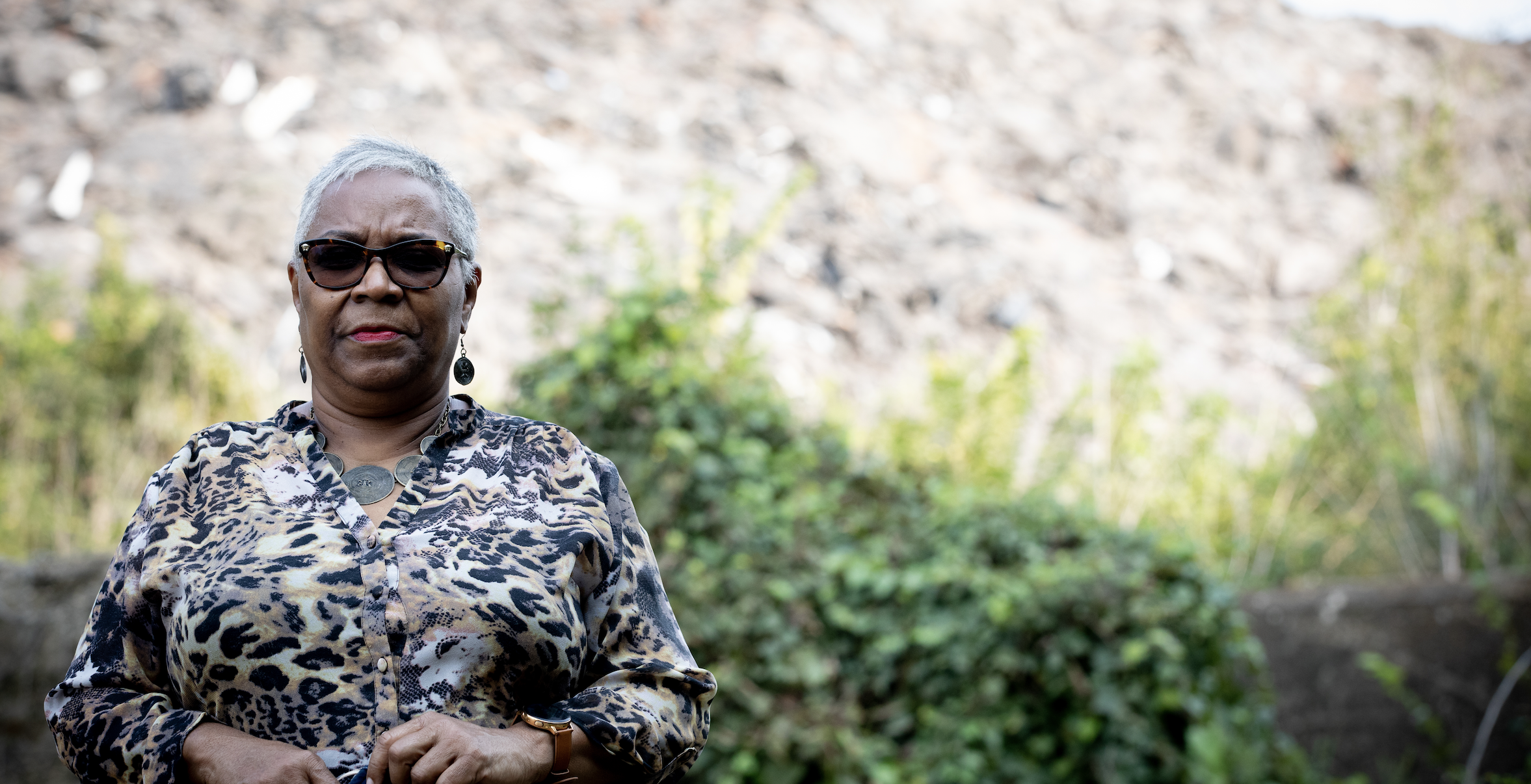
Threat level: Residents developed breathing problems and other health issues that they blamed on the recycling company, saying it was causing poor air quality.
- The city started clearing the shingles in 2020 and has cleaned up the land, but Jackson says her vocal cords still haven't healed.
Driving the news: Last week, the Dallas City Council approved a zoning change that will formally allow residential activity and limit industrial businesses on 522 acres of Floral Farms.
- The change will allow residents to repair roofs and foundations and file permits for building sheds and other structures, Caleb Roberts, executive director at the grassroots organization Downwinders at Risk, tells Axios.
- "What this is doing is framing this community as a neighborhood," Roberts says.
Friction point: Industrial businesses have argued that rezoning limits business growth, per WFAA. But grassroots organizers say underrepresented communities are more likely to be impacted by industrial businesses than affluent neighborhoods.
- The zoning change in Floral Farms allows existing industrial businesses to continue operating, as long as they don't expand their operations.
What's next: Roberts says the rezoning is a "turning of the tide" that will allow Floral Farms residents to move forward with plans to build a park on the property where Shingle Mountain once stood.
- The process could take several years — residents will need to raise money for the project and account for delays if more toxins are found in the land.