Trump declassifies more JFK assassination files


Add Axios as your preferred source to
see more of our stories on Google.
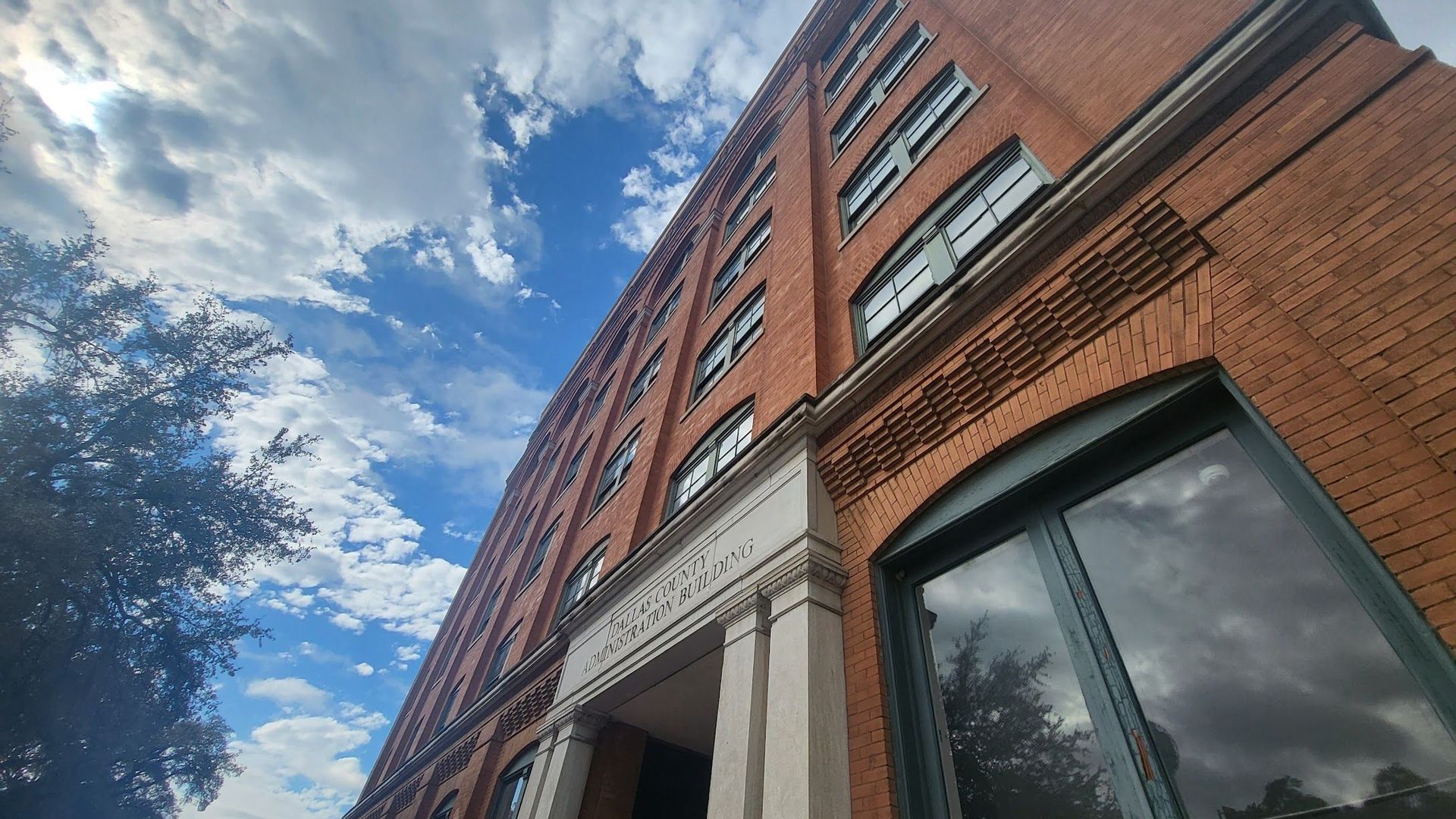
A view of the window through which Kennedy was shot. Photo: Mike Deehan/Axios
President Trump has signed an executive order to declassify files related to the assassination of John F. Kennedy in Dallas.
Why it matters: Kennedy's assassination on Nov. 22, 1963, as he rode in an open-air limousine through Dealey Plaza, continues to captivate people more than six decades later.
- Tourists and conspiracy theorists flock to downtown Dallas to see where the president was killed. Many leave flowers in the middle of Elm Street where Kennedy was struck — an unsanctioned X often marking the spot.
The latest: The president's executive order also declassifies files related to the assassinations of Robert F. Kennedy and Martin Luther King Jr.
- "Their families and the American people deserve transparency and truth," Trump said in the order. "It is in the national interest to finally release all records related to these assassinations without delay."
Context: Kennedy's death earned Dallas the nickname "city of hate." Companies refused to do business in the city that became known for its right-wing extremism.
Zoom in: The Sixth Floor Museum — which occupies the Texas School Book Depository building where Lee Harvey Oswald perched on the sixth floor — details the political climate in Dallas leading up to the assassination.
- The sixth floor features a detailed exhibit on Kennedy's life, assassination and legacy.
- Temporary exhibits are displayed on the seventh floor, which currently features NBC5 archival footage of JFK's visits to North Texas in 1960 and 1963, as well as broadcast coverage of his death and aftermath.
Catch up quick: In 2022, then-President Biden authorized the National Archives to release thousands of secret documents related to JFK's assassination.
- Trump released nearly 3,000 files in 2017. He withheld the rest at the time because of requests from various agencies.
Between the lines: The longtime classification of the documents contributed to conspiracy theories about the killings.
- Robert F. Kennedy Jr., a Cabinet pick, believes the CIA played a role in the assassinations of his uncle and later his father, which was part of why he unsuccessfully pushed his daughter-in-law Amaryllis Fox Kennedy for deputy CIA director.
Reality check: No such evidence has ever surfaced, and the Warren Commission determined that gunman Lee Harvey Oswald acted alone.
Of note: JFK's brother Robert was killed midway through the Poor People's Campaign in 1968. The campaign is a lesser-known part of the Civil Rights Movement, which stemmed from the slain president's anti-poverty agenda.
- RFK's funeral procession went through Resurrection City, a settlement of tents on the National Mall in Washington, D.C.
What's next: The broadcast archives will be on display through March 2 at the Sixth Floor Museum.
Go deeper: Tracking Trump's executive orders: What he's signed so far