Federal investigators release findings from 2022 air show crash in Dallas


Add Axios as your preferred source to
see more of our stories on Google.
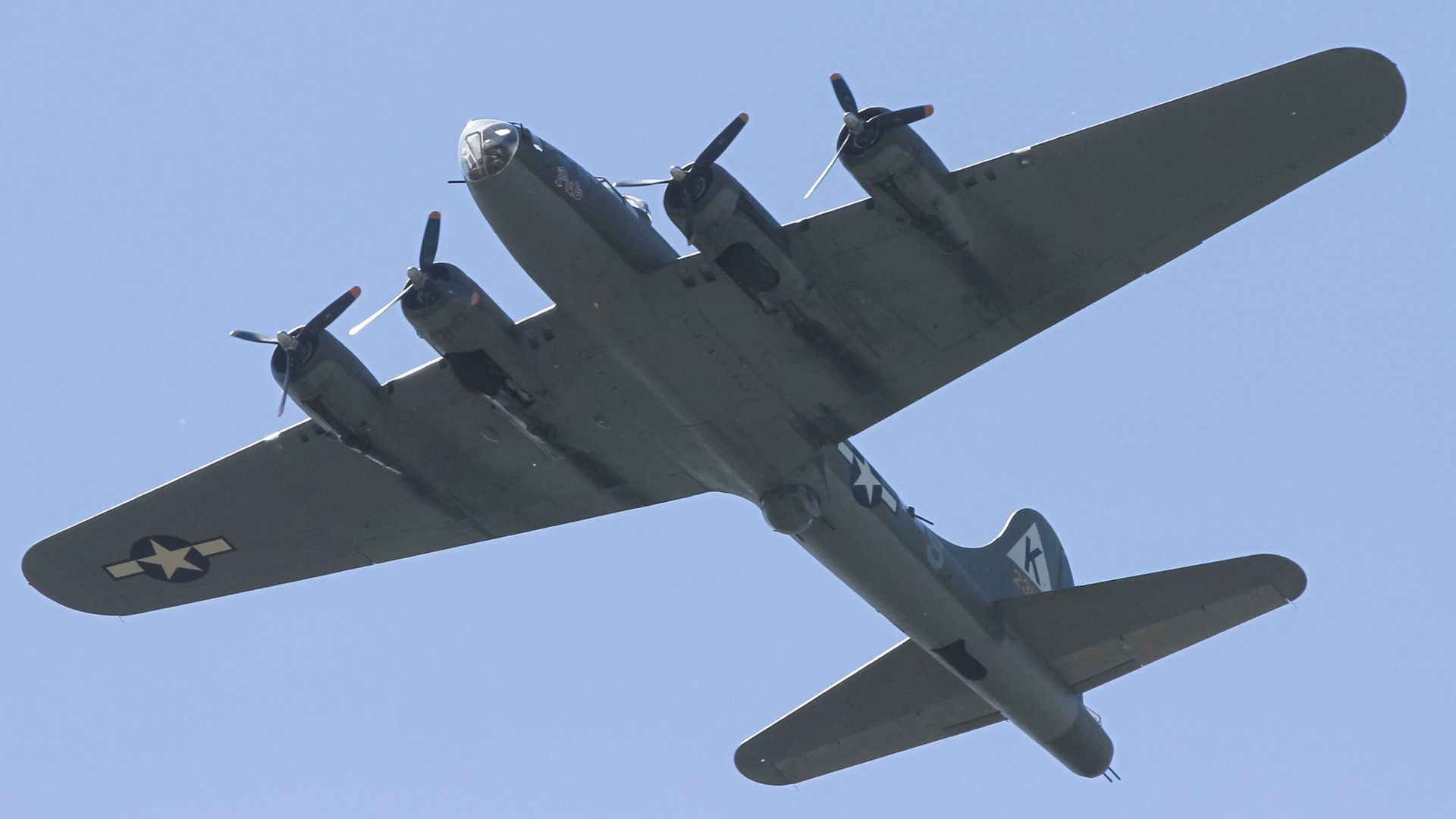
A B-17 Flying Fortress like the one that crashed in Dallas. Photo: Liang Sen/Xinhua via Getty Images
Poor planning and inadequate oversight contributed to a midair collision that killed six people at a Dallas air show in 2022, federal investigators have found.
Why it matters: The National Transportation Safety Board, which investigated the collision for two years, said Monday that it highlights the need for changes to the air show industry.
- Since 1982, the board has investigated over 21 accidents involving World War II-era bombers, per the AP.
Catch up quick: Thousands of people gathered at Dallas Executive Airport on Nov. 12, 2022, to watch multiple types of aircraft perform at Wings Over Dallas. Hosted by the Dallas-based Commemorative Air Force, the show honored U.S. veterans and educated the public about World War II history.
- A B-17 Flying Fortress and a P-63 Kingcobra collided during one of their final turns and broke apart in midair. The B-17's five crew members and the P-63's pilot died.
- The Commemorative Air Force hasn't hosted any air shows in Dallas since the crash, but it did host one in Kansas in August.
What they found: Federal investigators didn't find any issues with the planes that crashed in Dallas or their pilots. There was also no evidence that the crew members had any medical conditions or medications in their system that contributed to the crash, the report says.
- The two pilots who crashed had "limited ability" to see and avoid each other's plane.
- The instructions from the air boss, who was directing the show using binoculars and a two-way radio, also weren't clear, the report says.
Threat level: "The air boss bears the cognitive load of having to create the performance sequence in real time and then issue directives," federal investigators wrote in their report.
- "The pilots must anticipate, understand, and comply with the directives while maintaining visual separation from other aircraft."
What's next: The board recommends that the Federal Aviation Administration and International Council of Air Shows develop standard operating procedures for air shows, regular evaluations of air bosses and standardized terms that they can provide to performers for better communication.
- The International Council of Air Shows should also develop a safety risk assessment process that identifies and mitigates risks for each show, the federal board says.