Push for more Texas film incentives flopped this legislative session

Add Axios as your preferred source to
see more of our stories on Google.
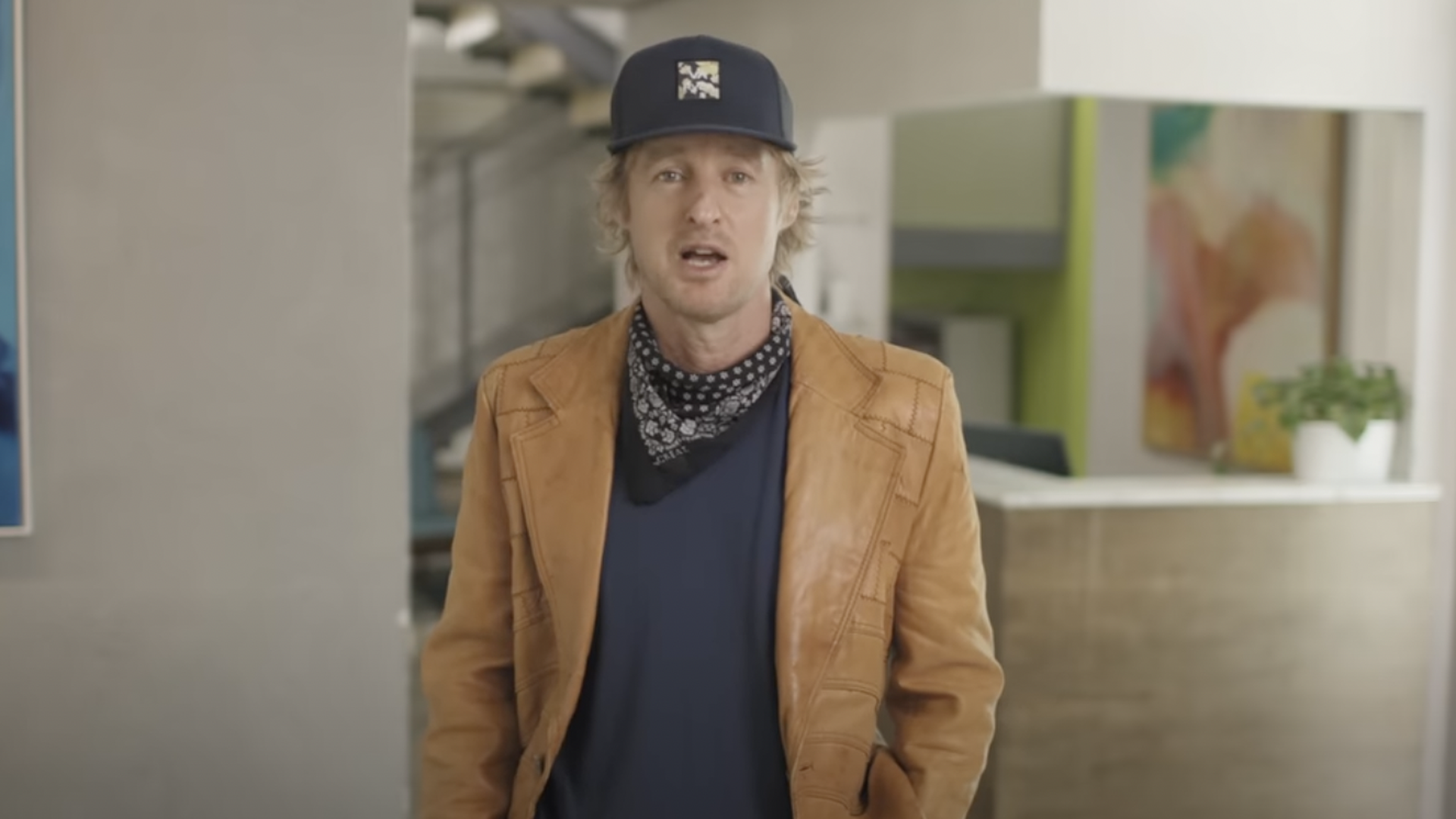
Dallas hometown hero Owen Wilson. Screenshot: Good For Texas
A push to entice more production companies to film their movies and shows in Texas didn't get much traction this legislative session, despite having the support of some very famous Texans.
The big picture: Many movies and shows set in Texas aren't actually filmed here, in part because filming incentives in other states are more appealing to production companies.
State of filming: Texas' Moving Image Industry Incentive Program receives funds set aside by the Legislature every two years..
- Production companies apply for the cash grants, which rely on limited state funds.
- The Texas Multimedia Production Program as set forth in House Bill 3600 or Senate Bill 1613 would have provided tax credits to certain production companies that film in the state, excluding any production considered "obscene."
Context: The Texas tax credit system handed out "just $45 million to production companies over the past two years," per the Atlanta Journal-Constitution, compared with $1 billion in tax credits doled out by Georgia last year.
Threat level: "Office Space," "The Alamo," "No Country for Old Men" and "Bernie" were all filmed at least partially in Texas — but states like Georgia and New Mexico have stolen the spotlight because of their more generous tax credits, per the Hollywood Reporter.
- "Hell or High Water," Taylor Sheridan’s breakout neo-Western, is set in Texas but was filmed in New Mexico.
- "Dallas Buyers Club" was shot in Louisiana.
The intrigue: Houston native Dennis Quaid produced a charming Western-themed video featuring Texans Woody Harrelson, Matthew McConaughey and Owen Wilson to advocate for Texas incentives.
- "This is not a Hollywood welfare program to pay for private jets and privileged lifestyles back in California. This legislation is about Texas jobs and showcasing our great state on the big screen," the actors explain.
- The video includes an excellent jab at Oklahoma.
The other side: Every Texan, a nonprofit focusing on social justice, opposed the legislation, saying it would be costly to implement and that film incentives have a "mixed record of boosting economic activity."
- The program would cost roughly $1 million from the state's general revenue fund during fiscal year 2024-25, and $784 million in 2026-27, per a House report.
Between the lines: SB 1613 didn't move forward after it was filed in March. HB 3600 was unanimously voted out of the House Committee on Culture, Recreation and Tourism but didn't advance.
Zoom in: Fort Worth lawmakers were pushing for the multimedia production program, saying it would bring more opportunities to their city.
- "To make Fort Worth stand out, to make Texas stand out, we have to compete better," Fort Worth Mayor Mattie Parker said at an Austin event in February, per the Fort Worth Report.
- T.J. Patterson, the manager of legislative affairs for Fort Worth, tells Axios that the city had a "big opportunity" to become a bigger player in the film industry through the program.
- "It makes economic sense to allow that to happen because then, all boats rise. You've got jobs, hotels, the food industry — all of the companies that support the [film] industry develop too," he says.
What's next: Patterson hopes the Legislature will take up multimedia tax credits again in the 2025 session.
"We're kind of down about it, but there's still another opportunity because there will be another session. We will try again," he says.