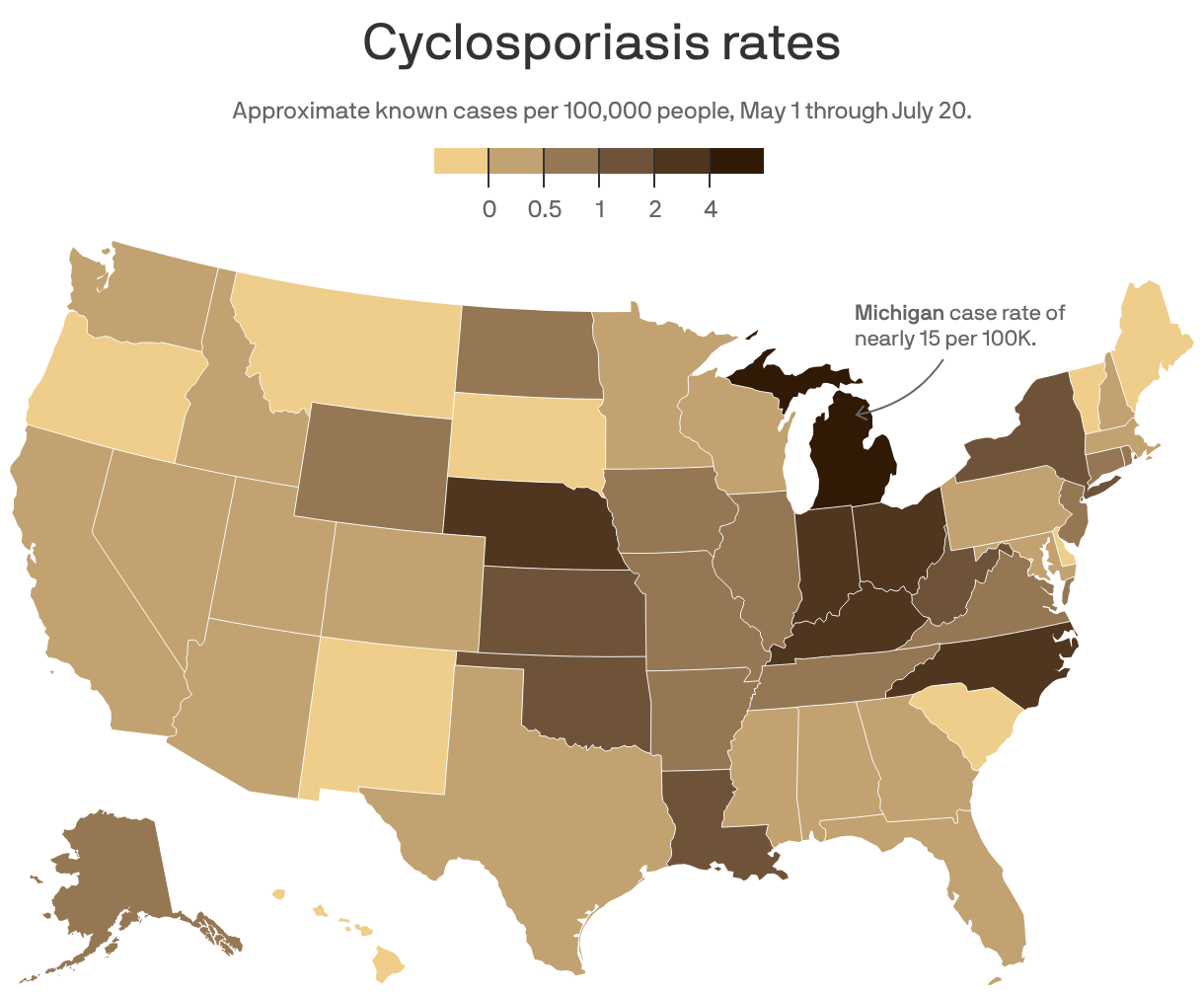
Data: CDC; Map: Brad Jennings/Axios. Note: Estimated rates calculated using CDC case range midpoints and 2025 U.S. Census population estimates.
Cases of cyclosporiasis have now been reported in at least 41 states, and infection rates continue to increase in the five states where the CDC has declared an outbreak.
The big picture: Although some cases of the diarrhea-inducing illness are reported each year, the outbreak will make 2026 the worst year on U.S. record for this food-borne parasitic infection.
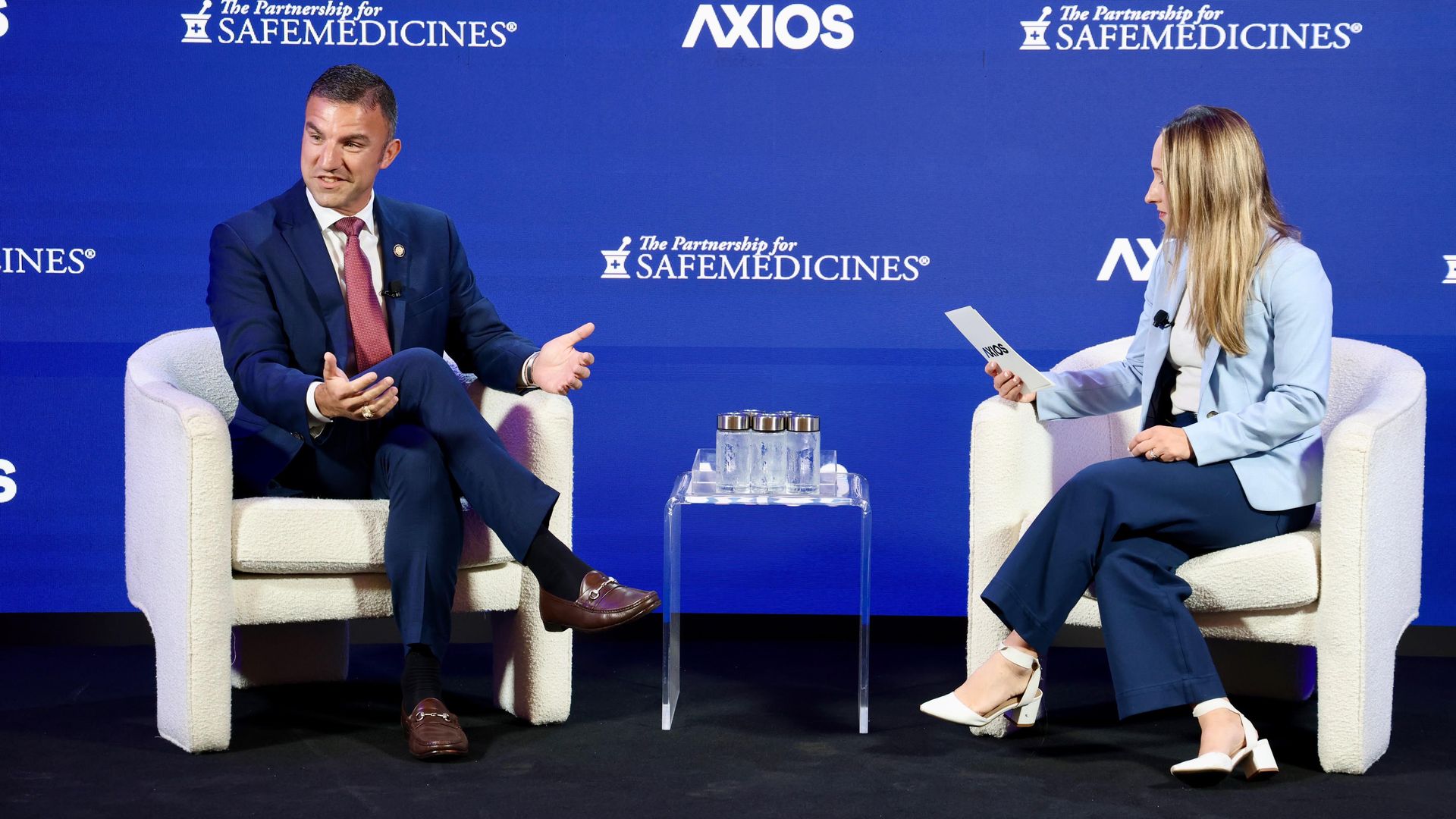
WASHINGTON – The Safe Drugs Act would establish new safeguards for compounded GLP-1 drugs, said Rep. Rudy Yakym (R-Ind.) at an Axios event.
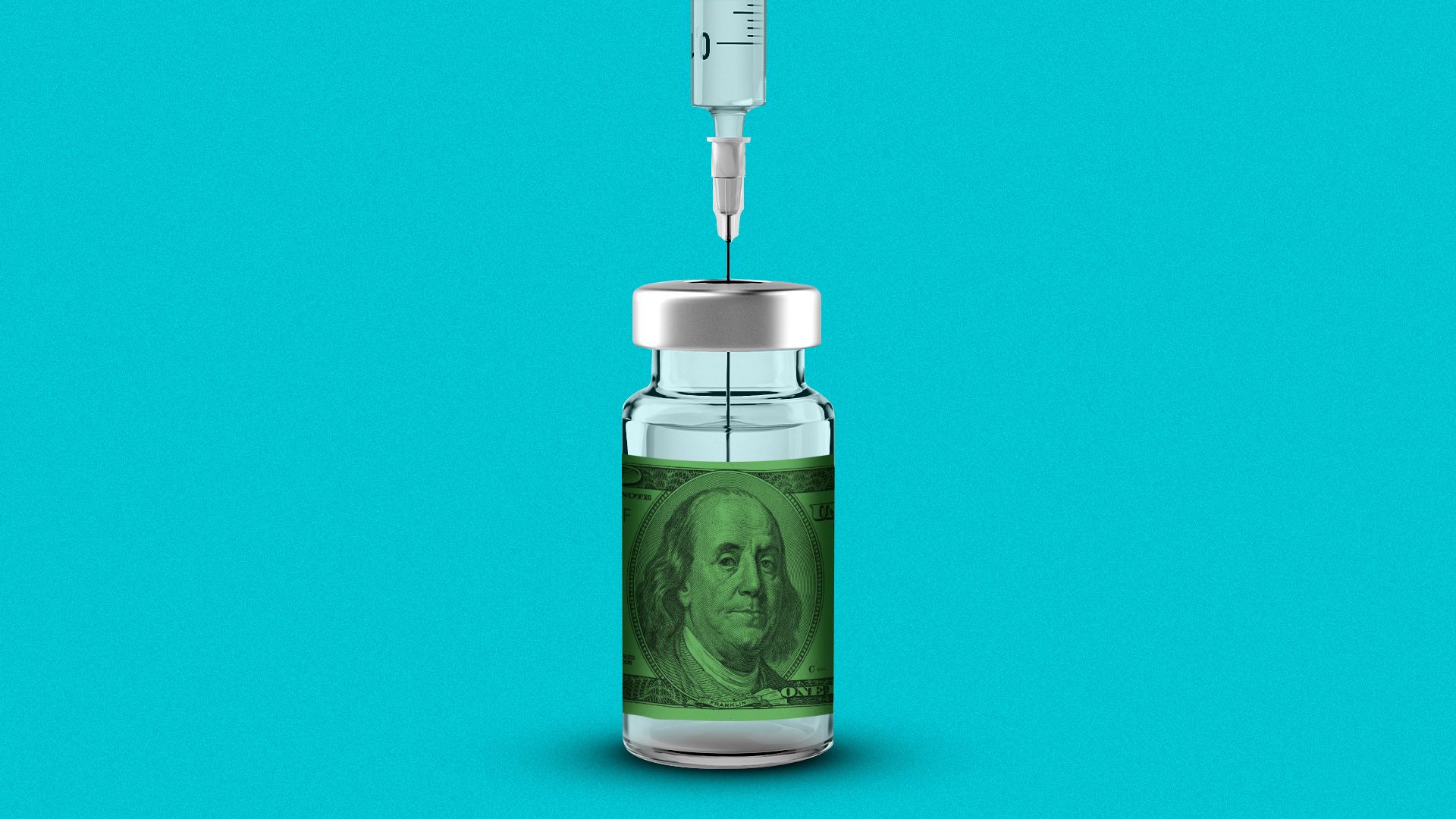
Why it matters: Mass-compounded GLP-1 drugs are cheaper alternatives to blockbuster medications like Wegovy and Ozempic, but those copycat versions are not FDA-approved.
Axios' Stef Kight and Brock Turner hosted conversations with Yakym, Rep. Nikki Budzinski (D-Ill.) and Scott Kahan, director of the National Center for Weight and Wellness. The July 22 event was sponsored by the Partnership for Safe Medicines.
State of play: Compounded GLP-1s were permitted during an FDA-declared shortage of branded weight-loss drugs. After the shortage ended, the FDA banned the copycat drugs early last year, but some compounders and telemedicine companies continued selling them.
What they're saying: "Americans expect that when they take a medication, the medication they're taking is going to be safe," said Yakym, who co-introduced the bipartisan bill.
Yes, but: Kahan said telemedicine has "real value" in expanding obesity care because relatively few physicians specialize in treating obesity.
He cautioned, however, that some for-profit models prescribe compounded GLP-1s based on online questionnaires with limited physician oversight or patient monitoring.
Zoom out: Drug affordability remains a major issue. The Trump administration is promoting discounted branded GLP-1s through TrumpRX, but Budzinski is skeptical.
"It's very unclear what kind of real savings there is in it," she said. "There's a total lack of transparency around what is provided, what's being offered."
She said Congress has bipartisan interest in lowering drug costs but argued TrumpRX doesn't address the "root of the issues."
The administration has touted its "most favored nation" drug pricing deals as one of its biggest accomplishments. However, Yakym said he wants more details around the agreements before deciding whether Congress should codify the policy. "Right now we've got 17 or 18 separate negotiated agreements that are kind of in a bit of a lockbox that we don't know all the details to."
Content from the sponsor's segment:
In a View From the Top conversation, Shabbir Imber Safdar, executive director of the Partnership for Safe Medicines, said compounded GLP-1s pose a huge patient safety risk because of the lack of safety standards.
"There's so many patients – hundreds of thousands of patients – who are taking these medicines, and what they don't realize is that they are not FDA-approved," said Safdar.
The Trump administration has quietly changed guidance on nursing home residents' right to vote, folding in increased warnings about fraud and coercion.
Why it matters: The move could signify that officials will keep a close eye on long-term care facilities during the midterm elections.
Compounding pharmacies and other businesses that have been restricted from the GLP-1 boom may be poised to cash in on a new windfall: the exploding market for peptides.
The big picture: The market for peptides — heavily hyped but loosely regulated substances made of short amino acid chains — could top $295 billion by 2033 if the Trump administration relaxes manufacturing rules.
Threats against people the U.S. Secret Service protects are up about 40% from a year ago, the agency says, as it prepares for Friday's rescheduled White House Correspondents' Dinner.
Why it matters: The surge is forcing the Secret Service to devote more agents and investigative resources to protecting senior government officials, potentially straining other protective operations.
Almost a quarter of workers in the U.S. — 23 million adults — are experiencing "job lock," staying in roles they don't want to avoid losing health insurance benefits, according to a new Gallup analysis.
A Trump administration revamp of how Medicare pays doctors could force steep reimbursement cuts next year for specialists like dermatologists and orthopedic surgeons.
Why it matters: It's the result of an ongoing pivot to redistribute Medicare dollars away from procedure-heavy specialties toward more primary and preventive care, which have long lagged in reimbursements.
The U.S. measles case count for this year has surged past last year's total and now stands at 2,295 — a level that hasn't been seen in 35 years, according to a Johns Hopkins University tracker that compiles state and local health data.
Why it matters: It's the latest sign that the virus is rebounding in areas with low vaccine coverage, threatening the United States' measles elimination status, which is due to be reviewed in November.