Medicare finalizes policy to cut doctor pay for specialty services

Add Axios as your preferred source to
see more of our stories on Google.
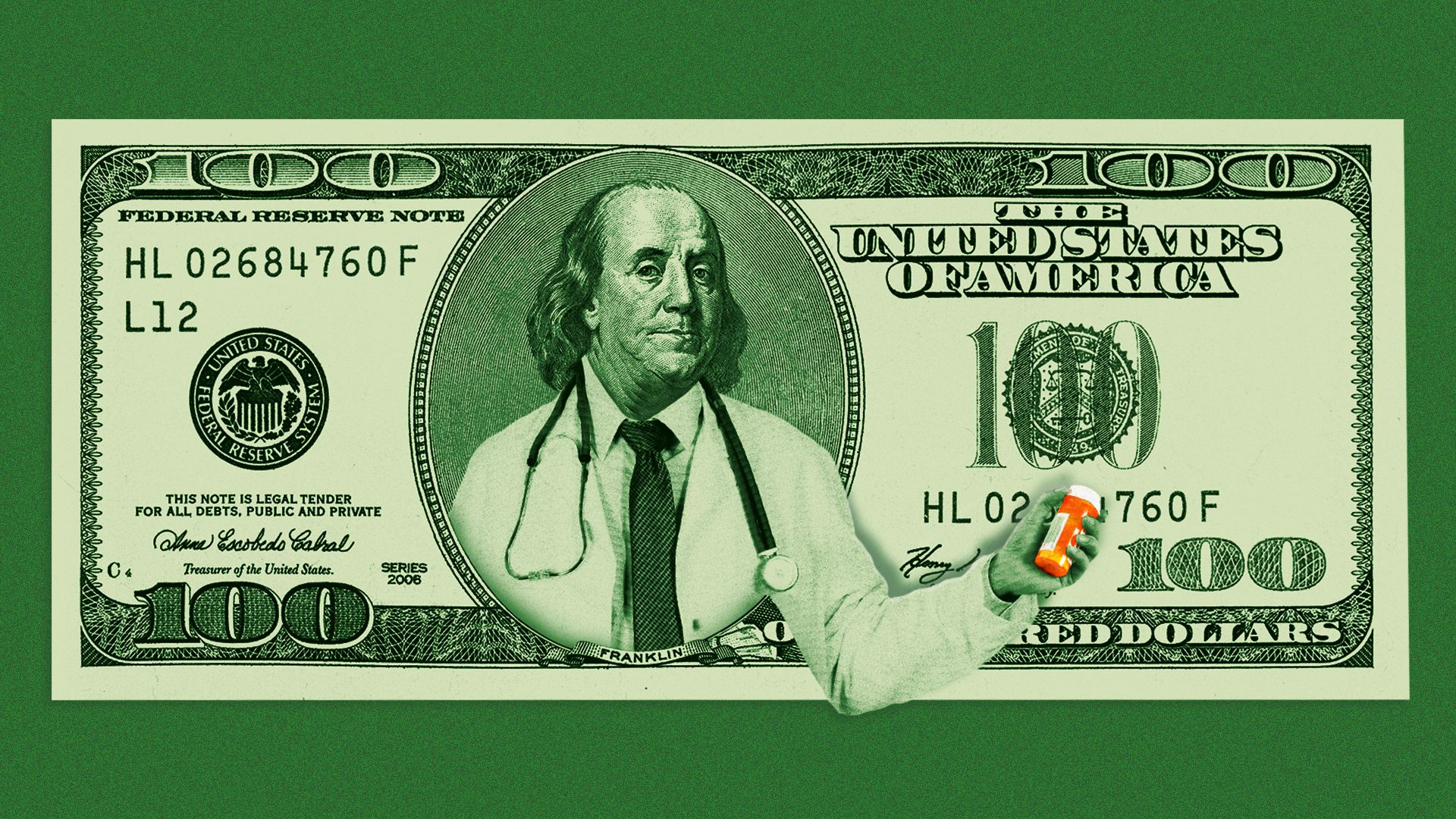
Illustration: Victoria Ellis/Axios
The Trump administration on Friday finalized a controversial plan to reevaluate how Medicare calculates doctor payments that will result in lower rates for specialty services.
Why it matters: Medicare will implement a 2.5% cut next year to payments for services like radiology and gastroenterology that are based on more than time spent delivering the service.
Catch up quick: The rule is based on the Centers for Medicare and Medicaid Services' argument that these procedures and tasks are being done more efficiently than the old payment rate reflects.
- Meanwhile, primary care doctors and other providers will generally see an increase in their Medicare payment next year.
- The rule moves Medicare away from setting billing code reimbursement based on surveys by an American Medical Association-affiliated committee that ask providers about the time, intensity and expense of different medical services.
What they're saying: The change is an "important step to address methods that have long diverted funding away from the whole-person, relationship-based primary care Americans need," Ann Greiner, CEO of the Primary Care Collaborative, said in a statement.
The other side: Specialists say the policy devalues their work and could result in worse care for patients.
- "These reductions to physician work ignore the realities of modern medicine, including rising patient complexity and evolving technologies that demand more from physicians, not less," Qihui Zhai, president of the College of American Pathologists, said in a statement.
The big picture: Overall, physicians will see a 3.77% bump in Medicare payments if they agree to be paid based on patient outcomes. Other doctors will get a 3.26% increase.
- This includes a 2.5% one-year increase Congress passed in July as part of the GOP tax and spending bill.
Zoom out: Medicare also finalized a change in the way it pays for high-tech bandages that have become mired in claims of fraud and patient harm, and are on track to cost the program $15 billion this year.
- That's despite bandage companies that oppose the policy pouring money into lobbying Congress and the administration this year.
