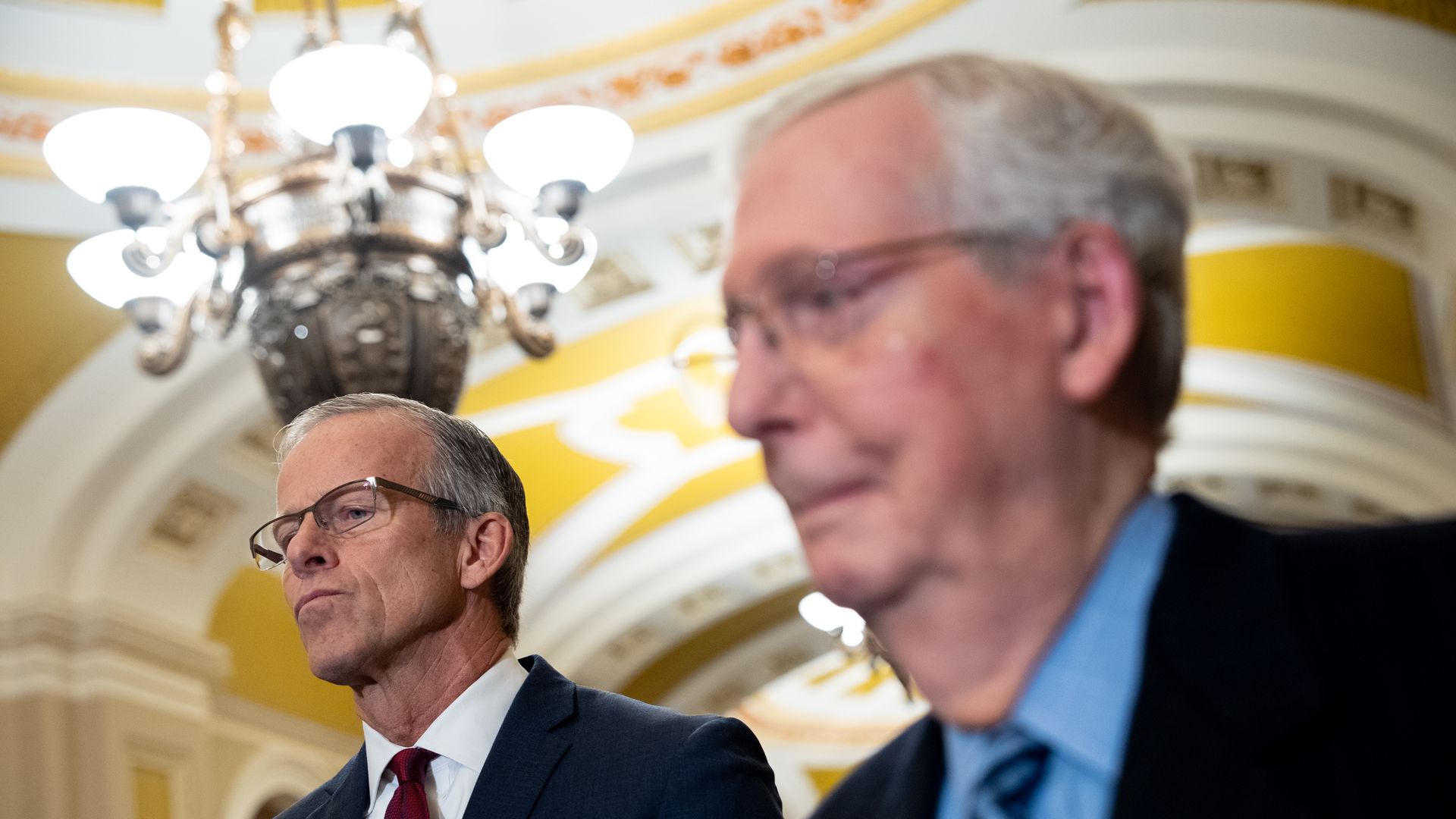
Senate GOP leaders say they have spoken with Sen. Mitch McConnell in recent days, as speculation swirls online among MAGA influencers about the Kentucky Republican's health.
Why it matters: McConnell has been hospitalized for roughly three weeks, with very little information about his condition.
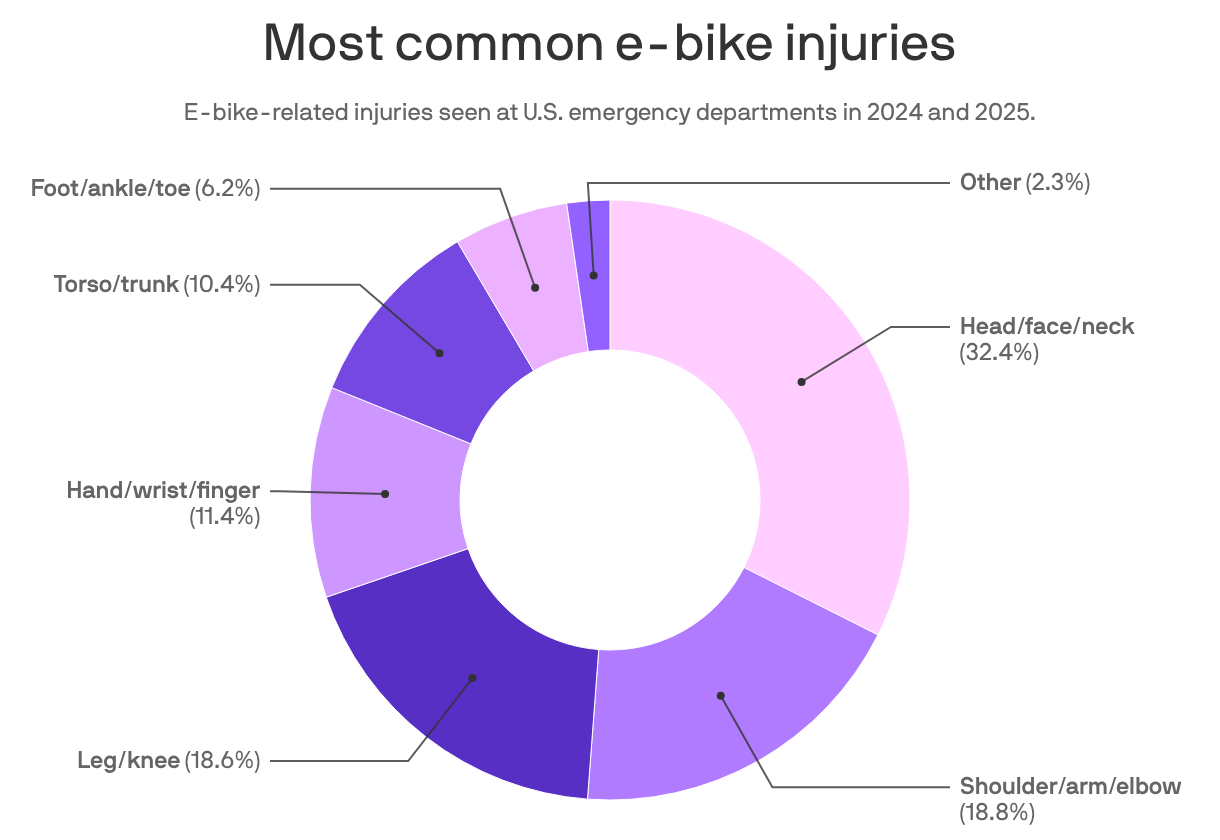
E-bike sales in the U.S. have more than quadrupled over the past five years, but a spike in ownership has meant a spike in injuries, too, especially among young people.
Why it matters: The result has been evident in emergency departments, particularly among teens and younger riders.
The influencer-driven craze for peptides — the heavily hyped but loosely regulated proteins — may be turning into an unexpected bonanza for Chinese manufacturers of fentanyl precursors.
Why it matters: The biohackers, fitness enthusiasts and others chasing promises of anti-aging and other health benefits often have no idea who they're buying from.
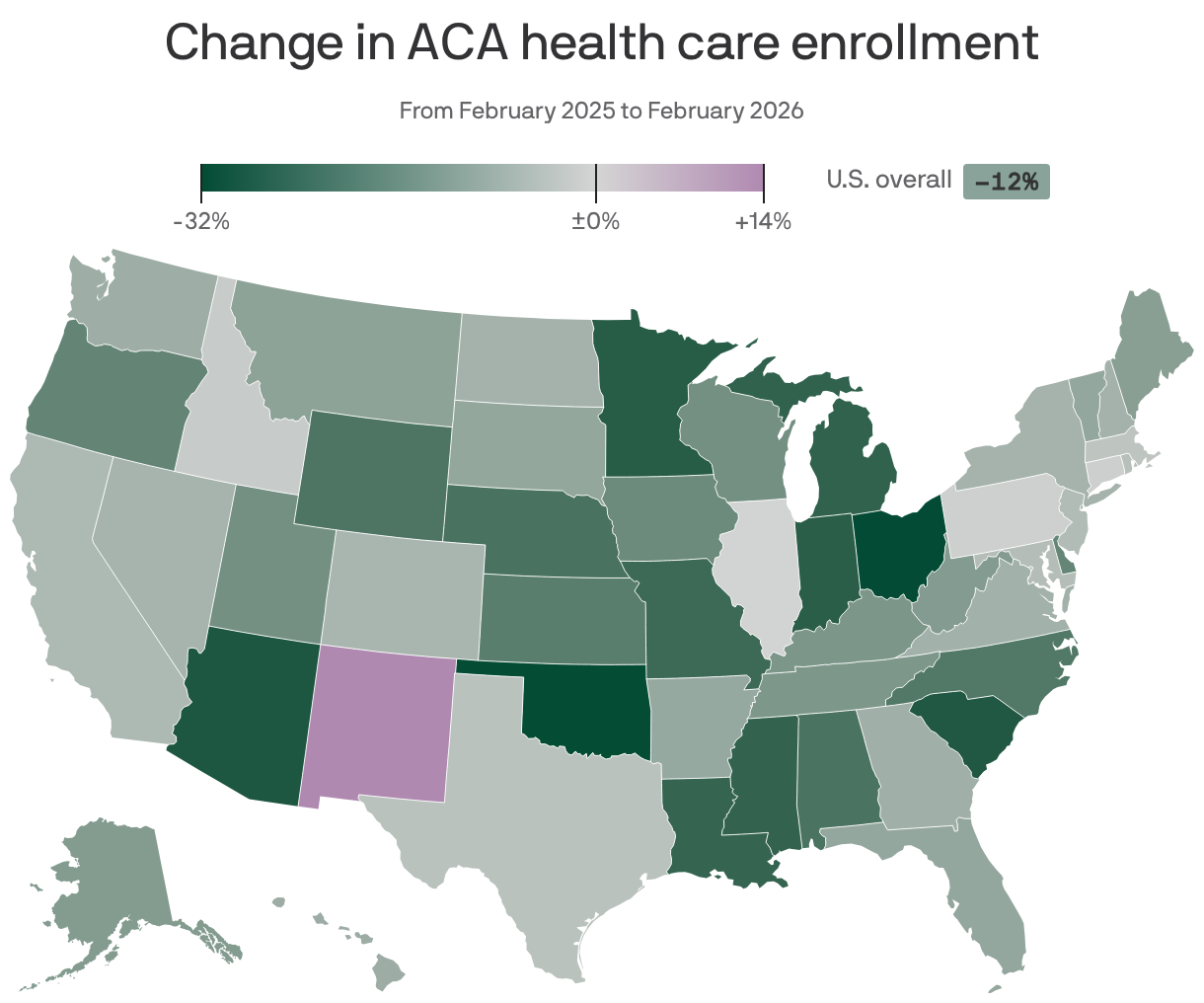
Ohio, Oklahoma, Arizona, South Carolina and Minnesota have sustained some of the deepest losses in Obamacare coverage since beefed-up federal subsidies expired this year, according to state-by-state federal data.
Why it matters: The coverage losses are hitting deep-red states as well as blue ones after Congress let the subsidies expire.
Delaware is using funding from last year's Republican budget law to launch a first-of-its-kind effort to standardize and streamline insurer pre-treatment claims reviews, Axios has learned.
Why it matters: The effort is aimed at cutting down the burden of so-called prior authorizations — and among the early announced uses of the $50 billion rural health transformation fund that lawmakers included in the law.
Democratic socialist and progressives' successin this year's primaries is evidence of new enthusiasm for Medicare for All plans that many centrists have long dismissed as costly pipe dreams.
Why it matters: The health affordability crisis and widespread frustration with the medical system are fueling a new appetite for big-government solutions to address drug prices, insurance premiums and long-term care costs.
Extreme heat gripping much of the U.S. has killed at least two dozen people over the past week, as about 40 million people remained under heat alerts Sunday.
Why it matters: Extreme heat is the nation's deadliest weather hazard, and the rising death toll underscores how dangerous prolonged heat can be.