Thursday's health stories

Olivia Walton: States must lead on maternal health crisis

Olivia Walton — founder of Heartland Forward's Maternal and Child Health Center for Policy and Practice — tells me that states and employers need to be leaders in fixing a dire American crisis in maternal health.
- "It was more dangerous for me when I gave birth to my kids than when my mom gave birth to me in the '80s," Walton said in a phone interview from Bentonville, Ark. "That's nuts, it's inexcusable, and it doesn't have to be that way."
Why it matters: Maternal mortality in the U.S. has more than doubled since the early 1980s. The U.S. has the worst maternal death rate in the developed world, with 84% of those deaths considered preventable, Heartland Forward says.

Axios-Ipsos poll: Cost isn't discouraging GLP-1 use
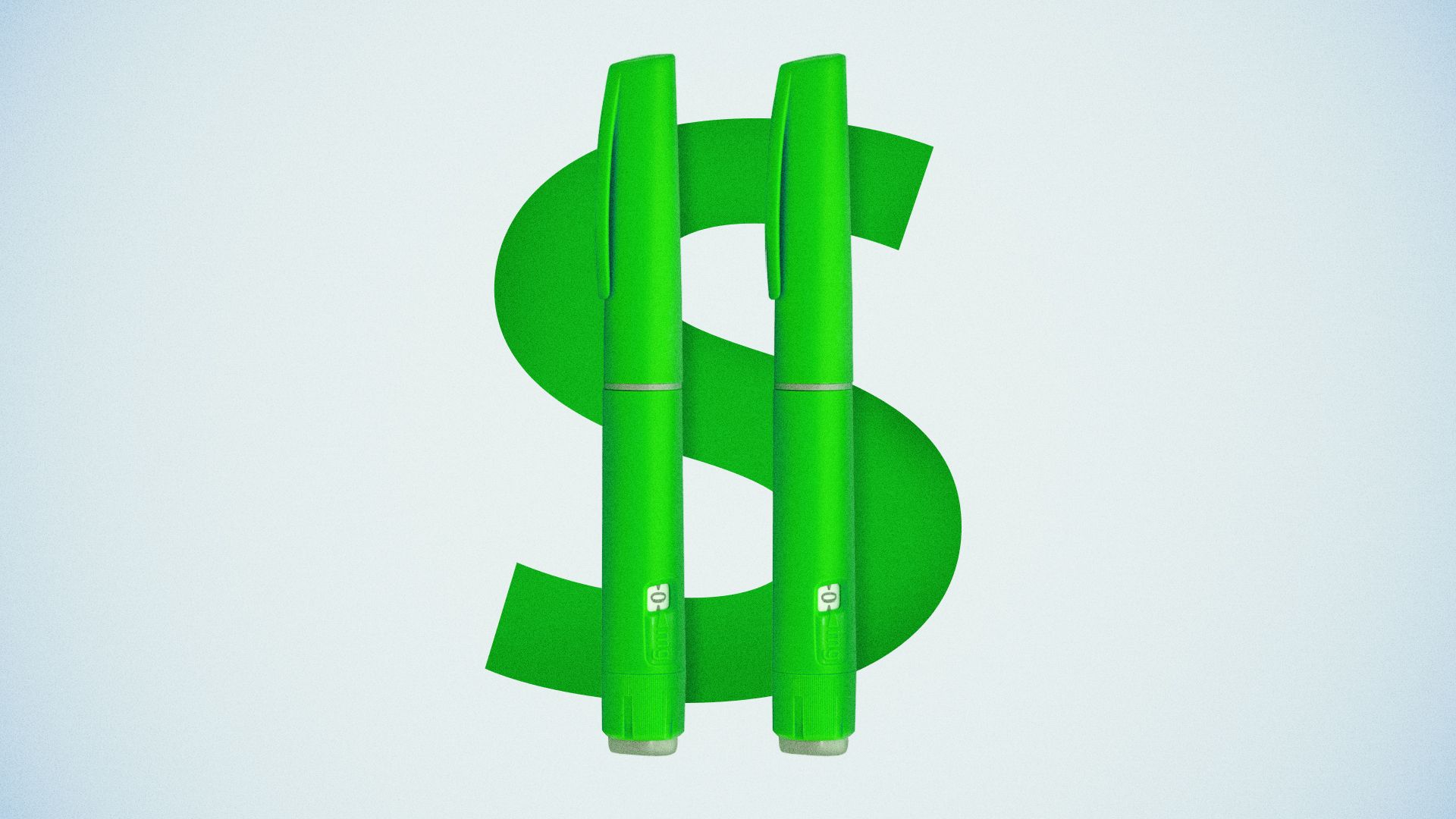
Use of prescription weight-loss drugs like Wegovy and Mounjaro may be reaching new highs, but most Americans who haven't tried yet say they're not very interested and aren't being held back by the cost.
Why it matters: New pricing deals and aggressive marketing will only go so far if the majority of the public is convinced it can manage its weight, is worried about side effects or is just not interested in shedding pounds.
By the numbers: Nearly 1 in 5 Americans (18%) say they or someone in their immediate circle has taken weight-loss drugs in the last three months, according to the Axios-Ipsos American Health Index survey of 1,225 adults conducted March 6-9.
- Millions more remain interested: Of those who haven't tried, 15% say they're interested in a weight-loss injection and 21% in a pill.
- The new Wegovy pill from Novo Nordisk is still relatively unknown, with 39% saying they're very or somewhat familiar.
Yes, but: Just 16% of those not very or not at all interested cited the expense as the reason.
- That's significant, with insurance coverage of GLP-1s still spotty and list prices for the drugs exceeding $1,000 a month. Many people are making cash purchases for less.
- Those not interested in a pill or injection say their top reasons are preferring to manage their weight through diet and exercise (51%) and concerns about side effects (38%). Also, 33% say they are not trying to lose weight.
The Axios-Ipsos survey found obesity remains the top U.S. health threat, as it has since late 2024, ahead of mental health issues, opioids and fentanyl, and cancer.
Methodology: This Axios/Ipsos Poll was conducted March 6-9, 2026, by Ipsos' KnowledgePanel®. This poll is based on a nationally representative probability sample of 1,225 general population adults age 18 or older.
- The margin of sampling error is +/-2.9 percentage points at the 95% confidence level, for results based on the entire sample of adults.

Abortion pill fight puts GOP in a bind
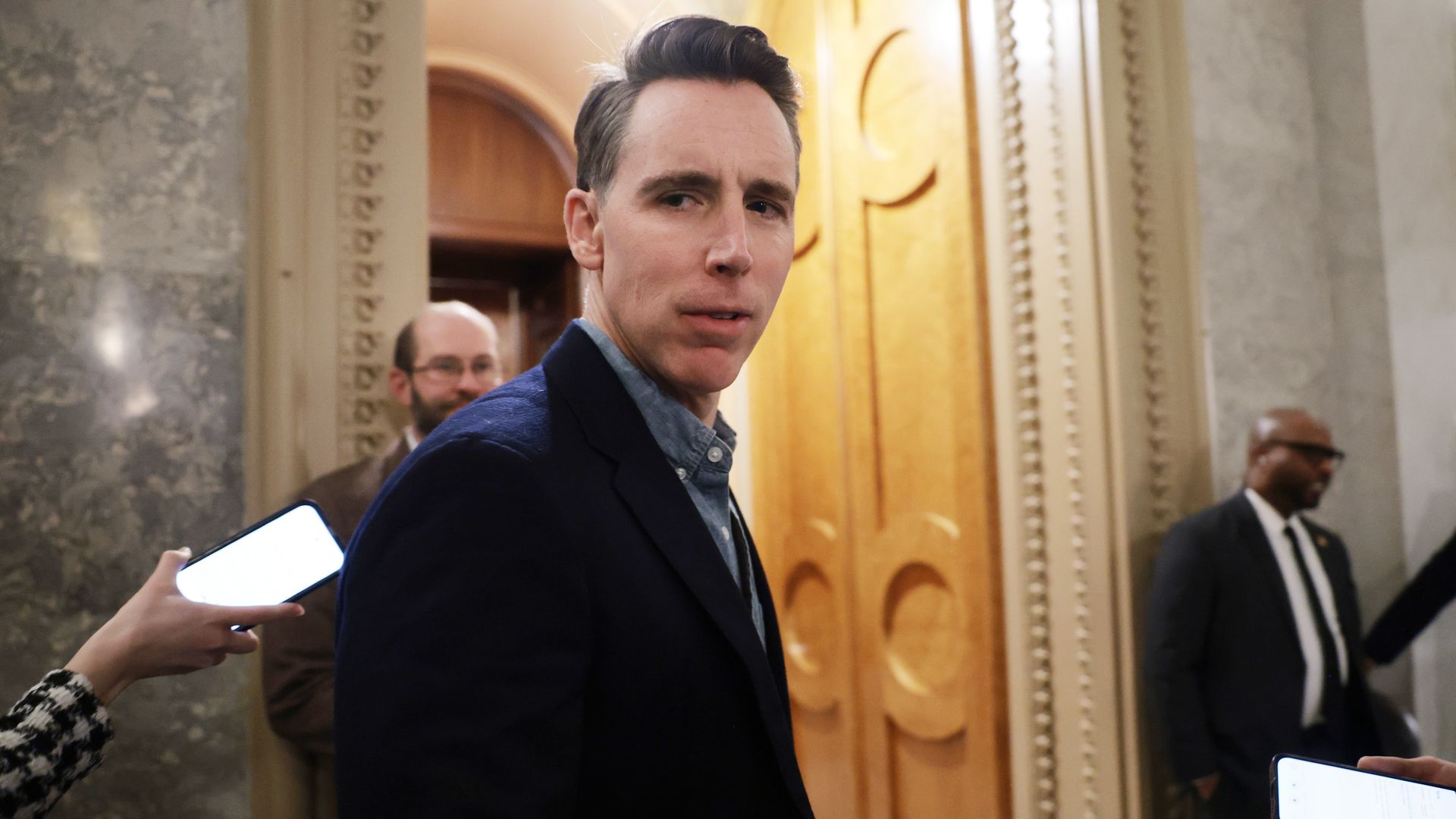
Sen. Josh Hawley's push for a vote in Congress to ban the abortion drug mifepristone is elevating an issue that many Republicans were hoping not to address before the midterm elections.
Why it matters: Lawmakers and the White House face internal tensions over how far to go in limiting access to the procedure and risking blowback from women and swing voters.

USPS cash warning collides with Amazon pullback

The U.S. Postal Service is staring down a cash crunch within a year — just as its biggest customer, Amazon, prepares to sharply scale back deliveries.
Why it matters: Even as major retailers build their own logistics networks, millions of Americans — especially in rural areas — still rely on USPS for essentials like prescription medications and last-mile delivery.


Vaccine battle shifts to states as federal path narrows
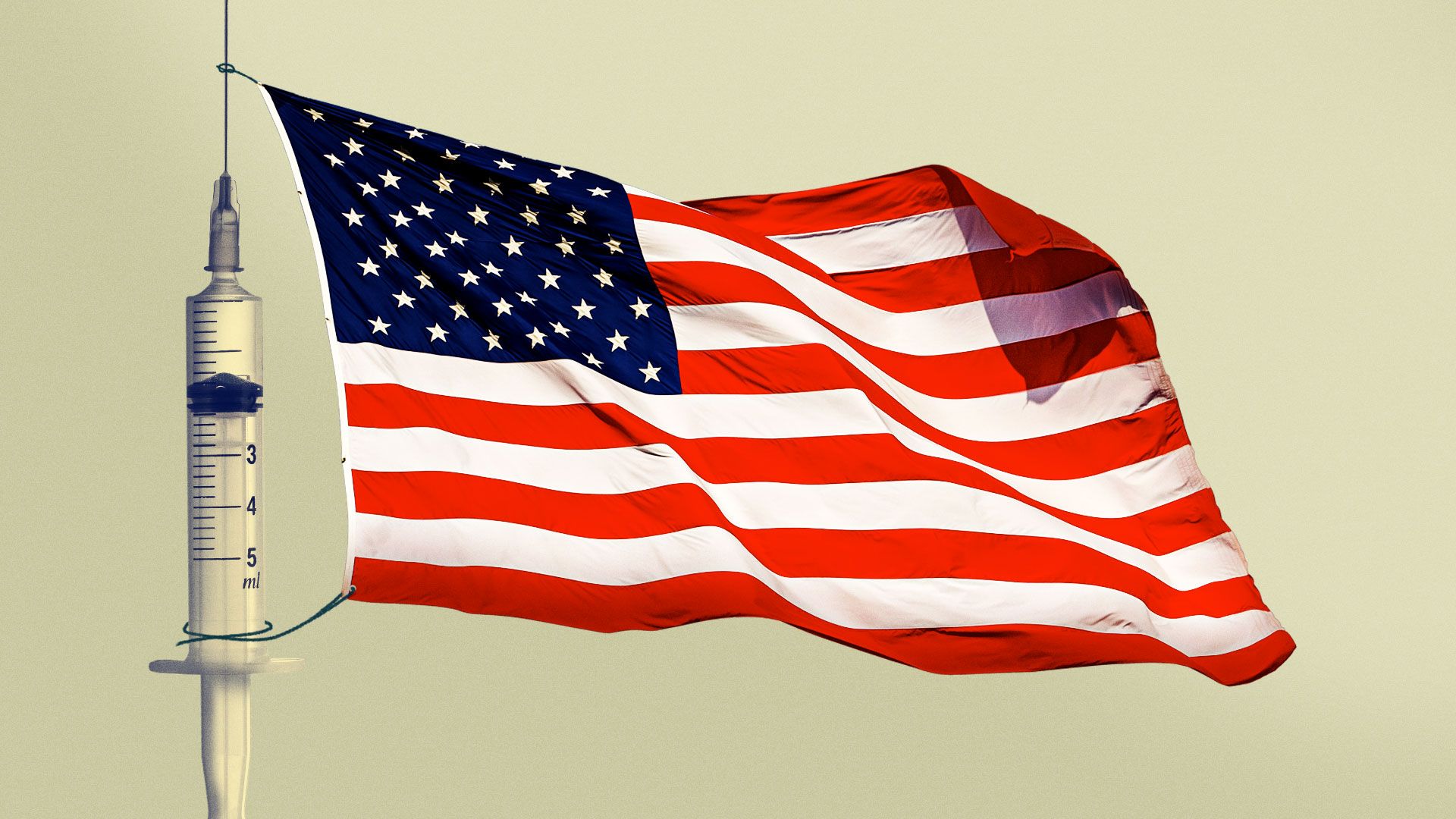
After being blocked by election-year political considerations and now the courts, vaccine critics' most impactful fights may play out at the state level — at least until the midterm elections are over.
Why it matters: The "Make America Healthy Again" movement and its allies were already targeting state legislatures but those campaigns could take on new significance with much of the federal agenda now frozen.

How to have better conversations

Nearly anyone can have more meaningful conversations by becoming an "opener," a term psychology researchers have for someone who easily gets others to open up.
Why it matters: Research suggests that strangers are much more open to conversation than you think.