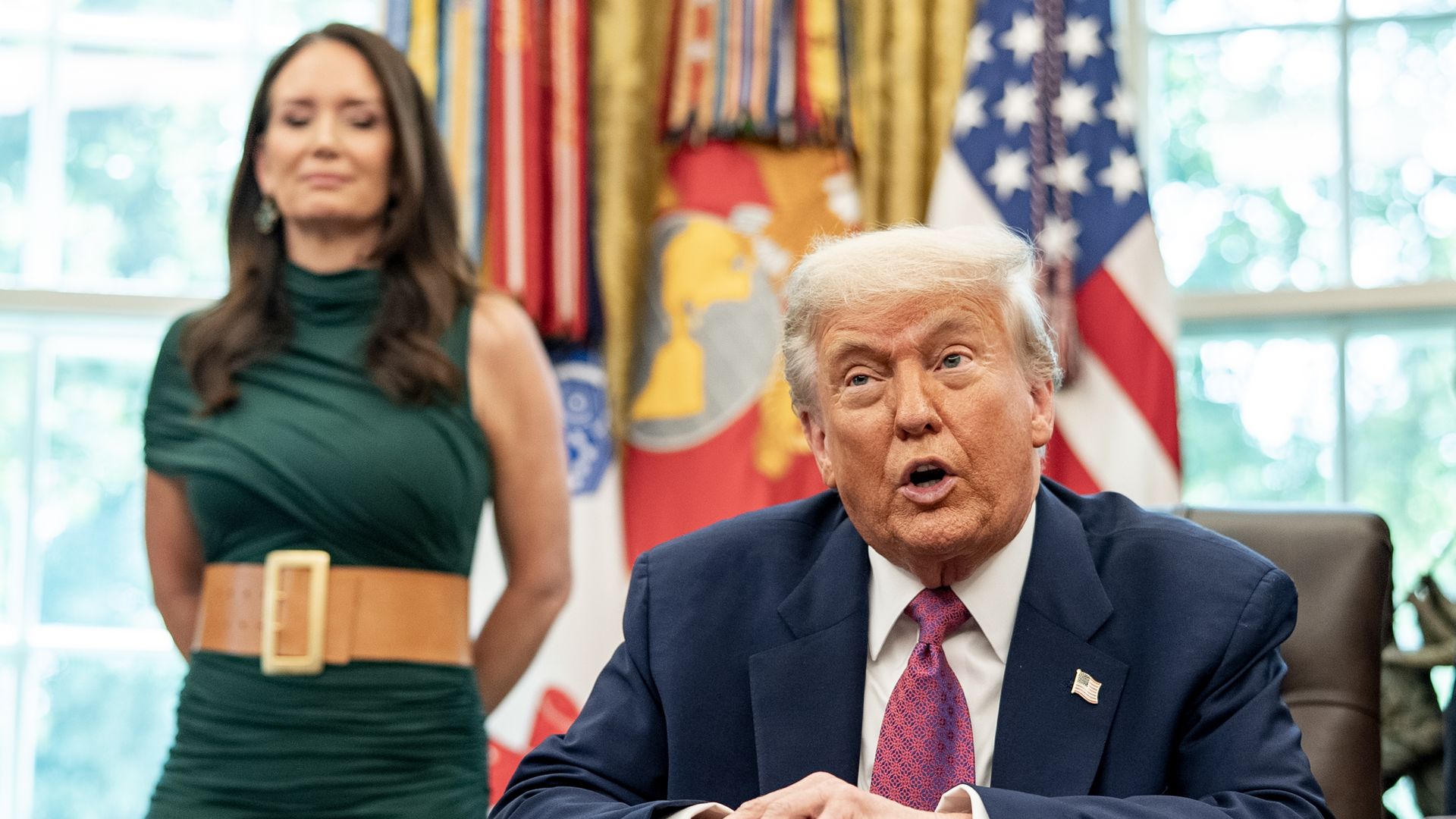
President Trump on Sunday faced questions about his norm-shattering second term in a "60 Minutes" interview with CBS News' Norah O'Donnell.
Why it matters: The interview was Trump's first with the network since he sued CBS and its parent company over a "60 Minutes" interview with former Vice President Kamala Harris during the 2024 campaign.
The Trump administration announced it plans to partially fundSNAP benefits on Monday, after two federal judges ruled on Friday that the funds must be released.
Why it matters: Up to 42 million Americans didn't receive their Supplemental Nutrition Assistance Program benefits on the first of the month, but the administration's new plan aims to make sure some amount of money hits recipients' pocketbooks.
Picture this: a student squinting at the board, a driver missing a stop sign due to blurry vision, or a grandparent struggling to read because of an outdated prescription.
Kimberly-Clark said Monday it would acquire Kenvue for more than $40 billion in cash and stock, creating a consumer powerhouse uniting brands like Huggies and Kleenex with names like Band-Aid and Tylenol.
Why it matters: It's a major gamble for Kimberly-Clark, given that Kenvue's Tylenol is currently under a Trump administration microscope over alleged links to autism, which the company fervently denies.
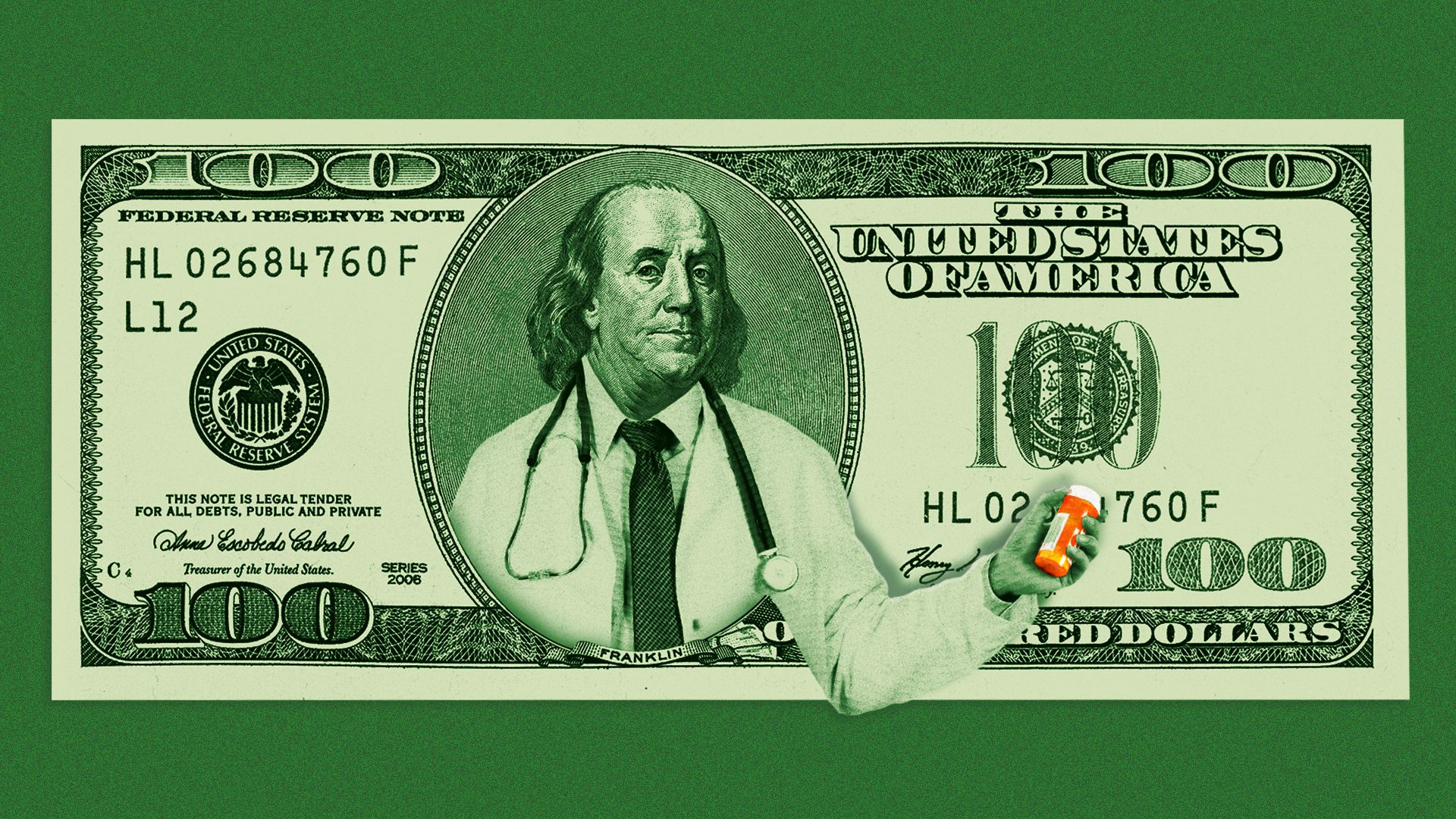
The Trump administration on Friday finalized a controversial plan to reevaluate how Medicare calculates doctor paymentsthat will result in lower rates for specialty services.
Why it matters: Medicare will implement a 2.5% cut next year to paymentsfor services like radiology and gastroenterology that are based on more than time spent delivering the service.
There's about to be a lot of competition for the $50 billion rural health fund that was created to minimize the impact of the GOP budget law — and rural providers worry they're going to get squeezed out.
Why it matters: The money could provide a lifeline as rural providers across the country struggle to keep facilities open underthe nearly $1 trillion in Medicaid cuts anticipated from the budget bill.
AIcan give people instant answers to their health questions. Doctors' offices can make them wait on hold.
Guess which one's winning.
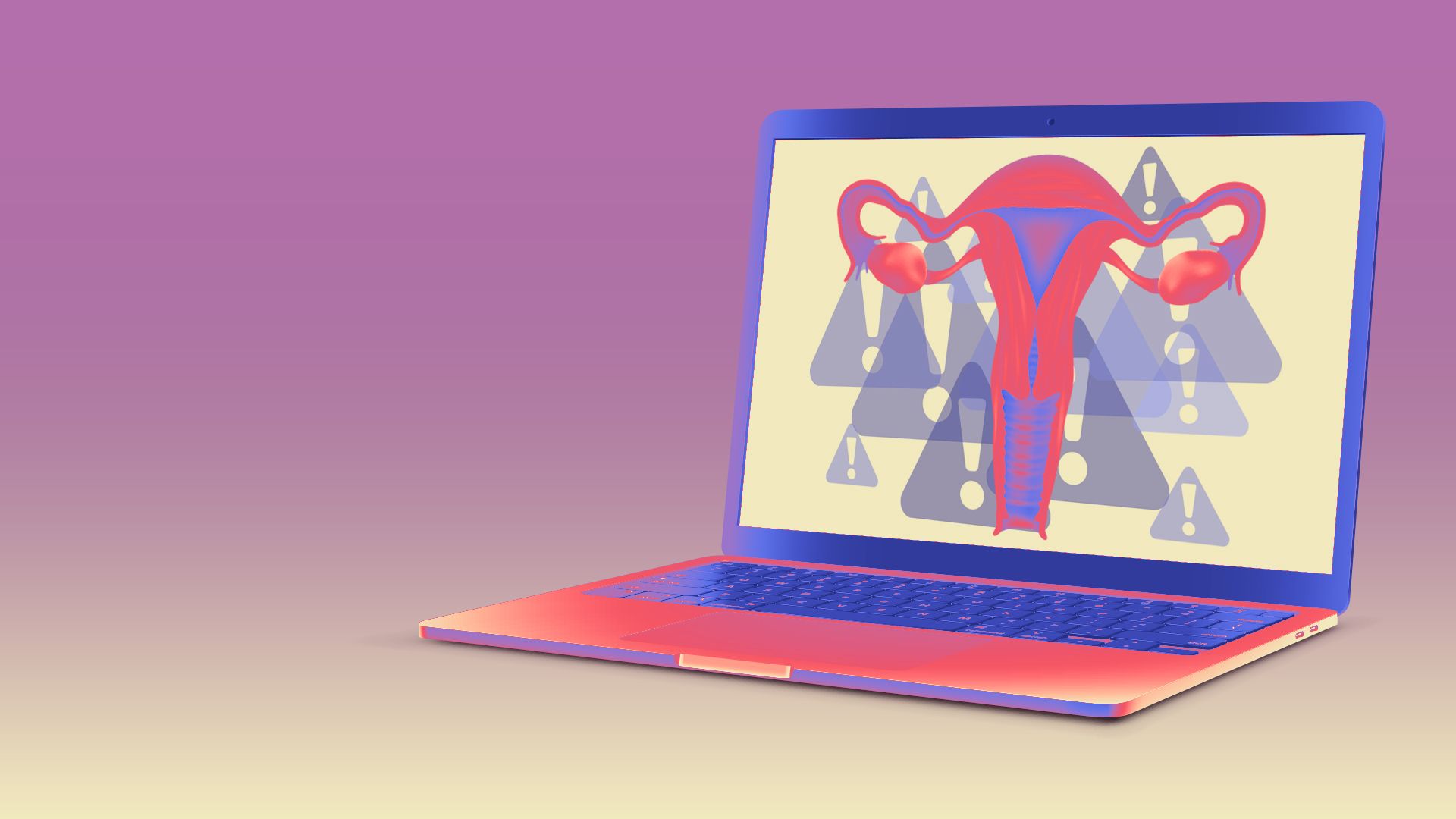
Why it matters: Fifteen minutes at a well visit often isn't enough time for doctors to address complex concerns like menopause — leaving patients eager for more complete answers.
Many doctors have been taught outdated information about menopause treatments — or haven't been taught about them at all — leaving countless women without the help they need from trusted sources.
For example, 52% of Black women say they don't know which menopause recommendations to follow, according to a recent Black Women's Health Imperative survey of more than 2,200 women nationwide.
Why it matters: People are increasingly turning to social media feeds or alternative methods for help. But while some of what they're finding can be useful and real, some of it can be very, very wrong.