Charlie Kirk's assassination has unleashed an outpouring of rage across the MAGA universe, with many leaders feeling his death is evidence the movement is under attack from leftist forces.
Why it matters: At a moment of extreme volatility in American politics, many MAGA leaders are now calling for retribution — including the criminalization of the Democratic Party.
The Consumer Price Index rose in August, though a gauge that excludes food and energy held steady, the Bureau of Labor Statistics said on Thursday.
Why it matters: Overall inflation heated up for the fourth straight month as President Trump's tariffs weigh on prices, posing challenges to the Federal Reserve.
Abortion politics are colliding with ongoing efforts in Congress to extend enhanced subsidies for Affordable Care Act coverage.
Why it matters: Renewing the premium subsidies even for a year beyond their Dec. 31 expiration was always going to be politically tricky because of the cost. Now there's the added complication of restricting any funds from being used on abortions.
Driving the news: Anti-abortion groups and some GOP lawmakers are pushing to attach the Hyde Amendment, which bans federal funding for abortion in most instances, to any subsidy extension.
Democrats say the ACA already has a mechanism to segregate taxpayer funds so they're not used to pay for the procedure and accuse Republicans of using the debate as a backdoor way to expand abortion restrictions.
Without a resolution, premiums for more than 20 million ACA enrollees will increase over 75% on average if the subsidies expire, according to KFF.
What they're saying: A coalition of anti-abortion groups led by Susan B. Anthony Pro-Life America urged lawmakers this week to include a "complete application" of the Hyde Amendment to any subsidy extension, dismissing the requirements already in place as an "accounting gimmick."
"Any funding for Obamacare … is forced taxpayer funding of abortion — unless such funds are definitively limited to coverage that excludes elective abortion," the groups said in a letter.
"Any action on ACA subsidies must include strong protections for Hyde," Gabby Wiggins, a spokesperson for Sen. Steve Daines (R-Mont.), told Axios. Daines is a leader on anti-abortion issues in the Senate.
The other side: "You're not going to be able to make progress on that if you start handing out right-wing trophies," Sen. Ron Wyden of Oregon, the top Democrat on the Senate Finance Committee, told Axios.
Ryan Stitzlein, a vice president at Reproductive Freedom for All, said Republicans are looking for "a backdoor abortion ban for those who cannot pay for services out of pocket."
The big picture: It's not clear how hard Republicans will push on the abortion issue. ACA funding faces other obstacles at this point.
It's not clear that sufficient GOP support exists for a clean extension of the subsidies anyway. Some Republicans view it as too costly and a handout to insurance companies.
But top GOP leaders have expressed some openness in recent weeks, aware of the political peril of allowing a major premium increase in an election year.
Abortion curbs areso divisive that they could kill a well-crafted compromise. Debate about the Hyde Amendment helped torpedo a bipartisan effort to shore up the ACA in 2018.
The issue also almost stopped the ACA from becoming law in the first place, before Democrats worked out a delicate funding compromise among themselves.
With Republicans now in charge of Congress, it's perhaps not surprising that the issue is back.
After Rachel Ledbetter earned her clinical psychology degree, reality hit: completing the required clinical supervision hours in a rural area with few providers was going to be nearly impossible.
The challenge: After two years of four hour round trip visits to her supervisor, she knew there had to be a better option.
The solution: Ledbetter's experience isn't unique. For her, the "better way" was building Motivo — a virtual company helping associate-level clinicians and organizations easily access clinical supervision when and where they need it.
Commerce Secretary Howard Lutnick wants the U.S. government to get a cut of university patent revenue, or even commercial revenue derived from those patents, he tells Axios' Mike Allen on tomorrow's premier episode of "The Axios Show."
Why it matters: This could disrupt the startup ecosystem, particularly in biotech.
President Trump on Wednesday demanded the North Carolina man accused of murdering a Ukrainian refugee on a Charlotte train be put to death after a "Quick" trial.
Why it matters: Trump has previously called for the death penalty for all murders in D.C. and Republicans have seized on the Charlotte attack as evidence the president's decision to send the National Guard and federal agents to fight crime in cities is justified.
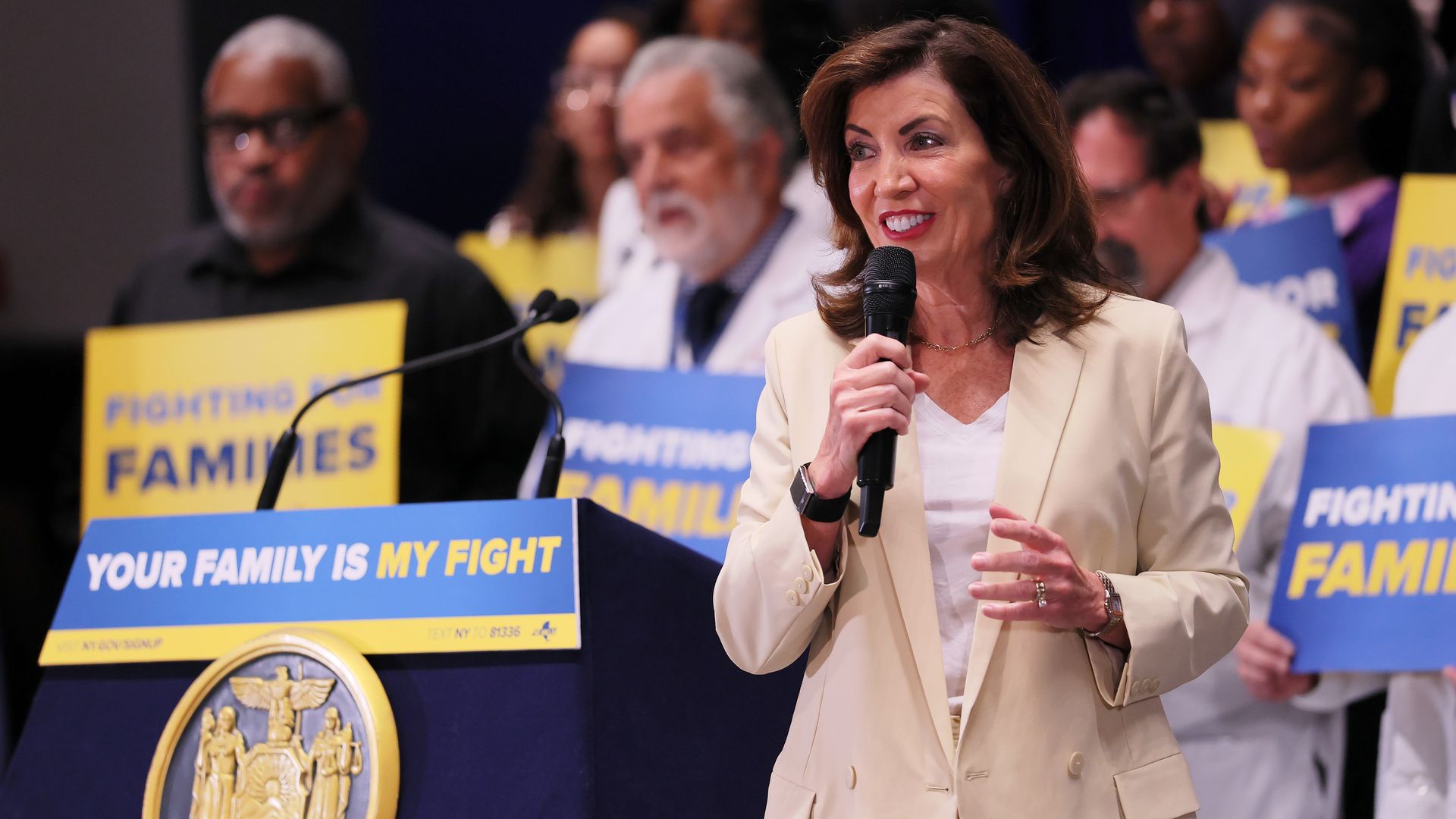
New York plans to phase out a program that offers zero-premium health coverage for working-class residents due to funding cuts in the GOP's tax and spending package, Gov. Kathy Hochul's office tells Axios first.
The big picture: The megabill Congress passed in July slashed about $7.5 billion of the $14 billion in federal funds that New York gets annually to cover nearly 1.7 million people in its so-called Essential Plan.
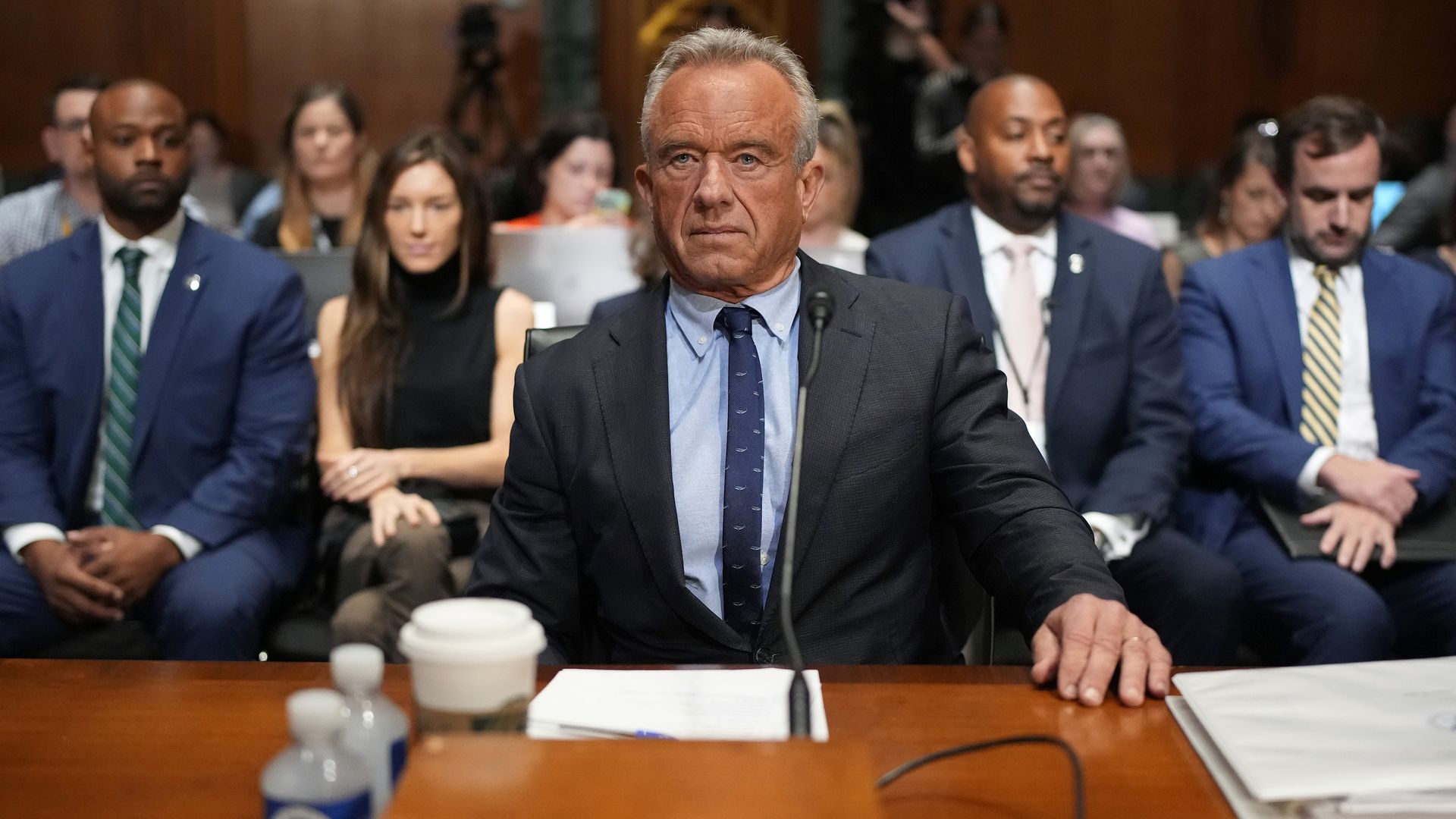
A long-awaited plan to address chronic disease in children on Tuesday revealed continued divisions within the MAHA movement on regulating chemicals in the food supply and other priorities.
Why it matters: The 20-page document from a presidential commission chaired by Health Secretary Robert F. Kennedy Jr. sought to address major concerns of his base without alienating powerful agribusiness groups.
The Trump administration said Tuesday evening it's sending out 100 cease-and-desist letters to drug companies as part of a crackdown on what it called misleading direct-to-consumer ads.
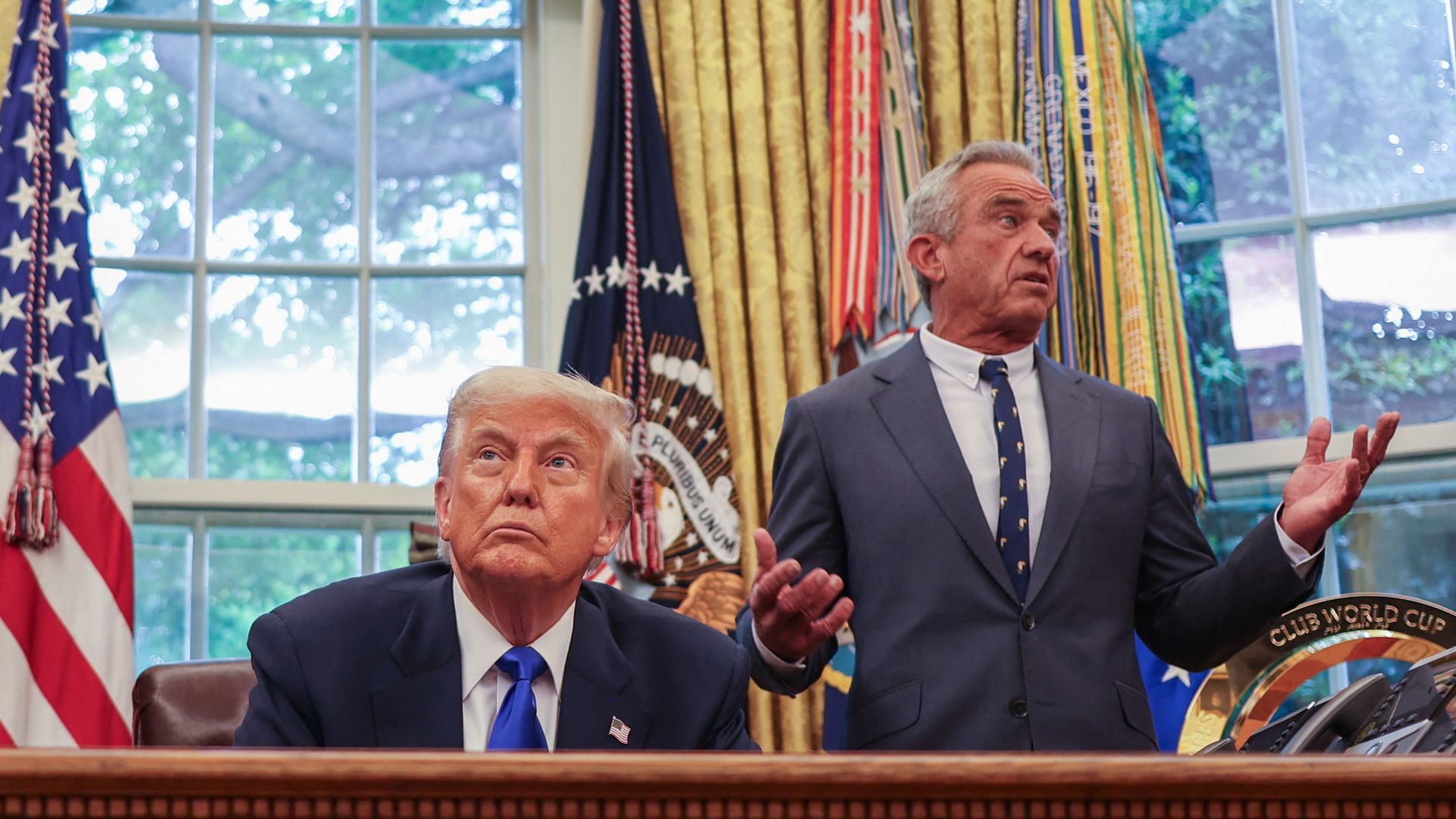
The big picture: Meanwhile, President Trump signed a memorandum directing Health and Human Services Secretary Robert F. Kennedy Jr. to enforce transparency on pharmaceutical advertising, including increasing the amount of information in the ads about risks of using the drugs.
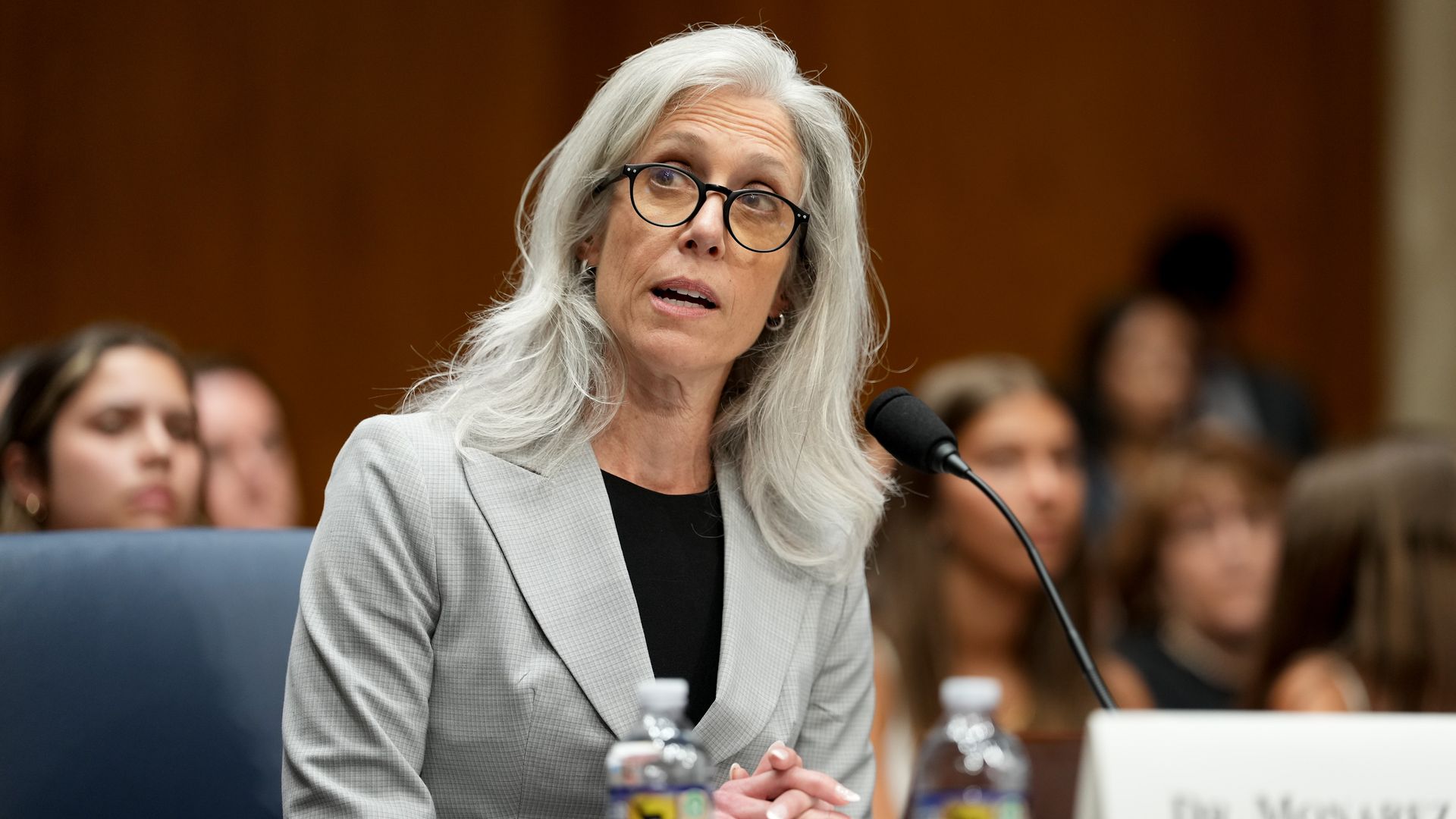
Former CDC director Susan Monarez will testify before the Senate next week in her first public appearance since the Trump administration fired her.
Why it matters: The hearing before the Senate's health committee could shed light on the tumultuous days leading up to her August exit, which saw several other top CDC officials resign.