The price of eggs is expected to rise by 41.1% this year as the bird flu continues to rip through the nation's agricultural economy, the federal government projected in a new report.
Why it matters: That's more than double the 20% increase predicted in January.
A West Texas city reported Wednesday that an unvaccinated child with measles died after being hospitalized amid the recent outbreak.
The big picture: It's the first death officials have reported in the outbreak that began late last month. At least 124 people have been infected in the state so far.
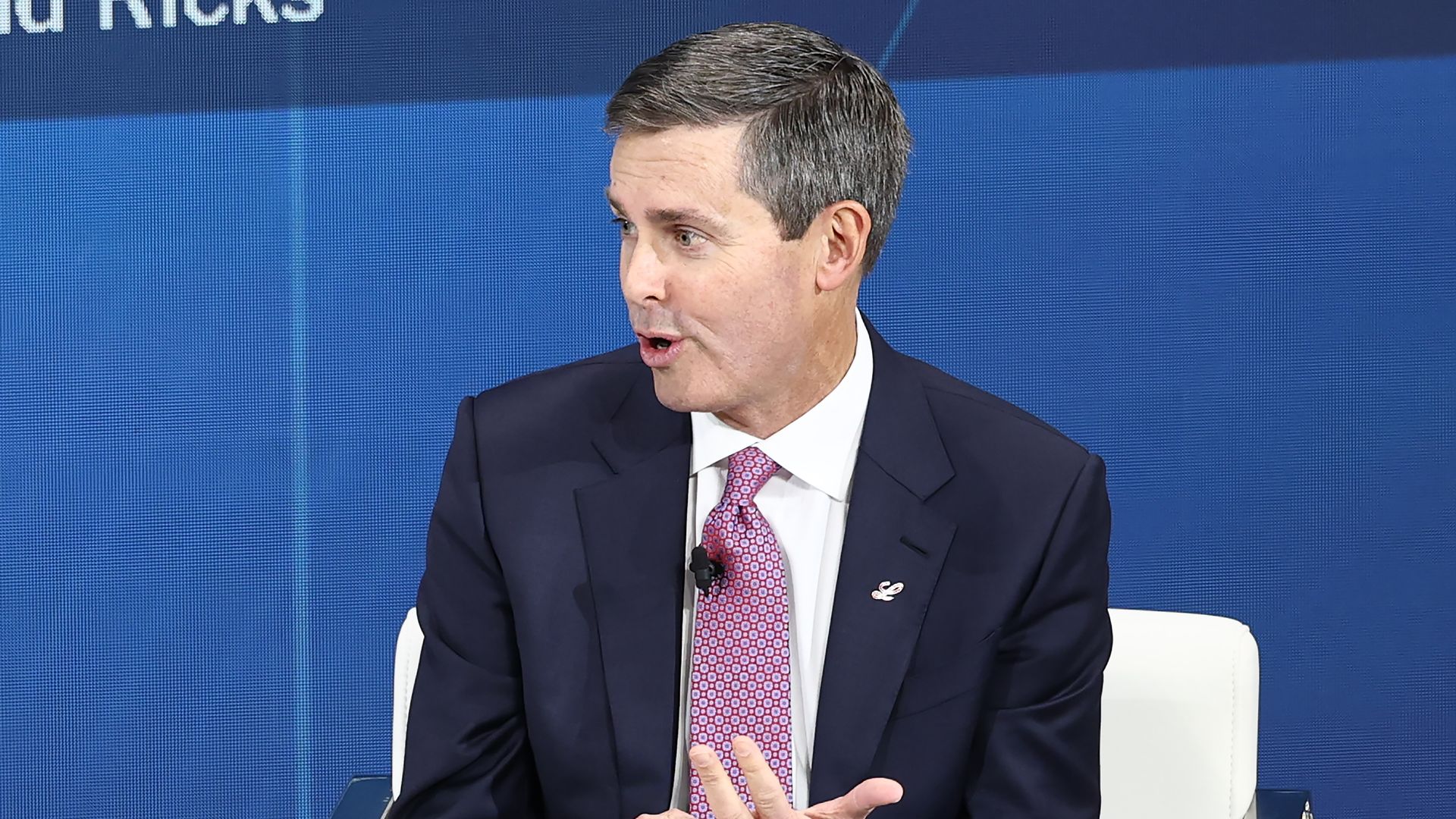
Eli Lilly and Co. said Wednesday it will open four new U.S. manufacturing "mega sites" in the next five years, in a bid to reduce its reliance on overseas suppliers and take more control over its supply chain.
Why it matters: The "reshoring" comes amid the Trump administration's push to move more manufacturing inside U.S. borders and will create 3,000 jobs, as well as 10,000 construction jobs, Lilly said.
OrganOx, a British developer of technologies to maintain organs for transplant, raised $142m in primary and secondary funding led by HealthQuest Capital.
Why it matters: OrganOx says that its solution — which has approval in the U.S. and Europe — can preserve donor livers for up to 24 hours, or around double the preservation time of traditional cold storage.
A new type of bone marrow transplant can cure sickle cell disease with only half of the donor's cell proteins matching, according to new clinical trial results published in the New England Journal of Medicine.
Why it matters: The procedure would greatly expand the pool of potential donors, in addition to costing less than one-quarter of the price of innovative gene therapies for the condition that have earned Food and Drug Administration approval in recent years.
As the battle over Elon Musk's DOGE-directed cuts to federal medical research continues, institutions already are freezing hiring, cutting back on the number of Ph.D. students they'll accept and making other contingencies.
Why it matters: Capping how much the National Institutes of Health covers the schools' overhead costs could lead to billions of dollars in cuts to scientific research funding and widespread economic fallout.
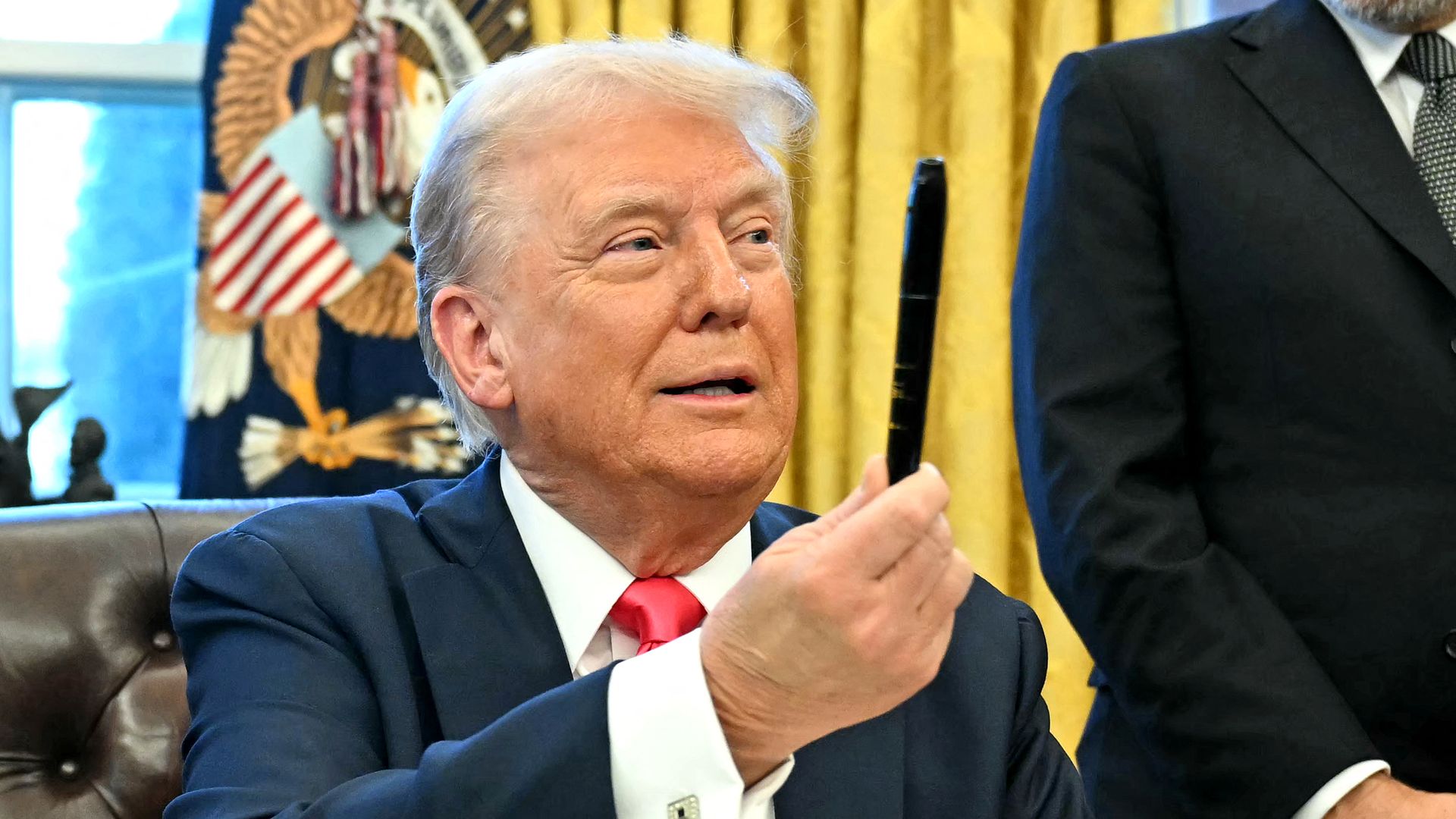
President Trump used an executive order on Tuesday to direct three federal agencies to enforce the health care price transparency regulations he rolled out during his first term.
The big picture: Trump didn't unveil new pricing policies but the order indicates it's still a priority for him — and it could signal more enforcement against noncompliant hospitals and insurers going forward.
Medicare spending on 10 diabetes drugs, including popular GLP-1s, more than quadrupled over a five-year period and could reach $102 billion next year, an analysis by Health and Human Services' inspector general found.
Why it matters: Medicare doesn't cover the drugs for weight loss, but the watchdog report noted a surge in utilization raises questions about whether the program paid drug claims for unauthorized uses.
The Food and Drug Administration on Monday granted its first approval for a pacemaker-like device for the brain to ease symptoms of Parkinson's disease, which affects nearly 1 million people in the United States.
Why it matters: Medtronic, the device's manufacturer, said this will be the largest-ever commercial rollout of brain-computer interface technology.
As hundreds of researchers, patient advocates and policymakers gather in Washington, D.C., this week for an advocacy fly-in on rare diseases, a notable gap has appeared on their schedule: an annual gathering hosted by the Food and Drug Administration and the National Institutes of Health.
Why it matters: The annual two-day gathering known as Rare Disease Day is among the agencies' largest public engagements, and its postponement is raising questions about the agency's priorities.
Rising health costs are squeezing states' budgets to the point where some are considering raising premiums for hundreds of thousands of teachers and public employees for the first time in more than a decade.
Why it matters: The potential hikes show that even state workers with generous benefits aren't immune from the cost growth that's been facing commercial insurers and federal health programs.