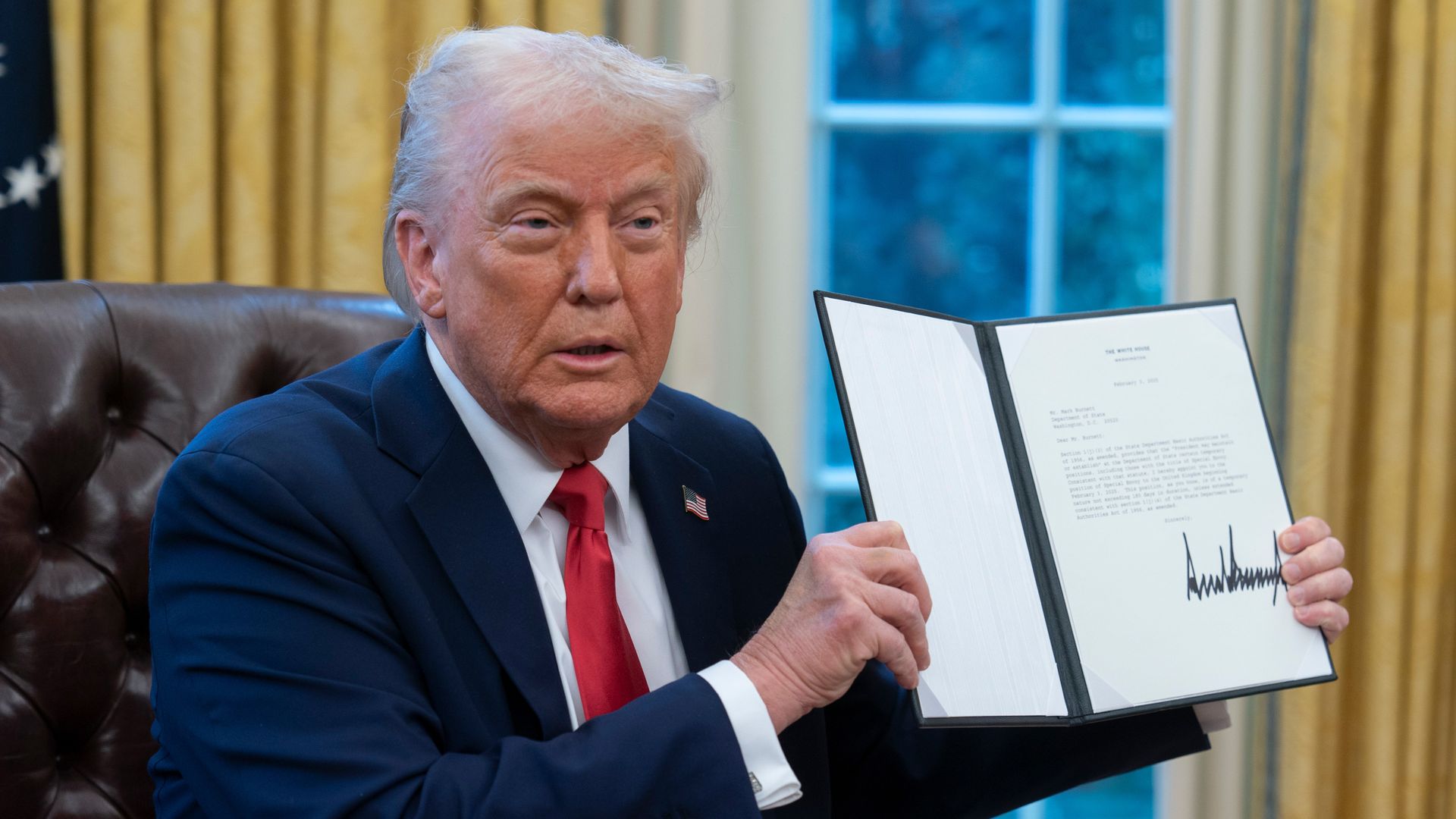
The scientific community is showing signs of pushing back against President Trump's blackout and selective changes to federal health websites and datasets.
Why it matters: That data has long been considered the gold standard in public health. But the lack of visibility into to what's been altered is raising questions about the integrity of government reports.
Elon Musk's Department of Government Efficiency has gained access to the inner workings of Health and Human Services, including data systems of the agency that manages a nearly $2 trillion budget, handles Medicare and Medicaid benefits and runs the National Institutes of Health, the world's biggest biomedical research institution.
Why it matters: As they march through the federal bureaucracy, Musk and his team now have a seemingly unfiltered view of the sensitive inner workings of much of U.S. health care.
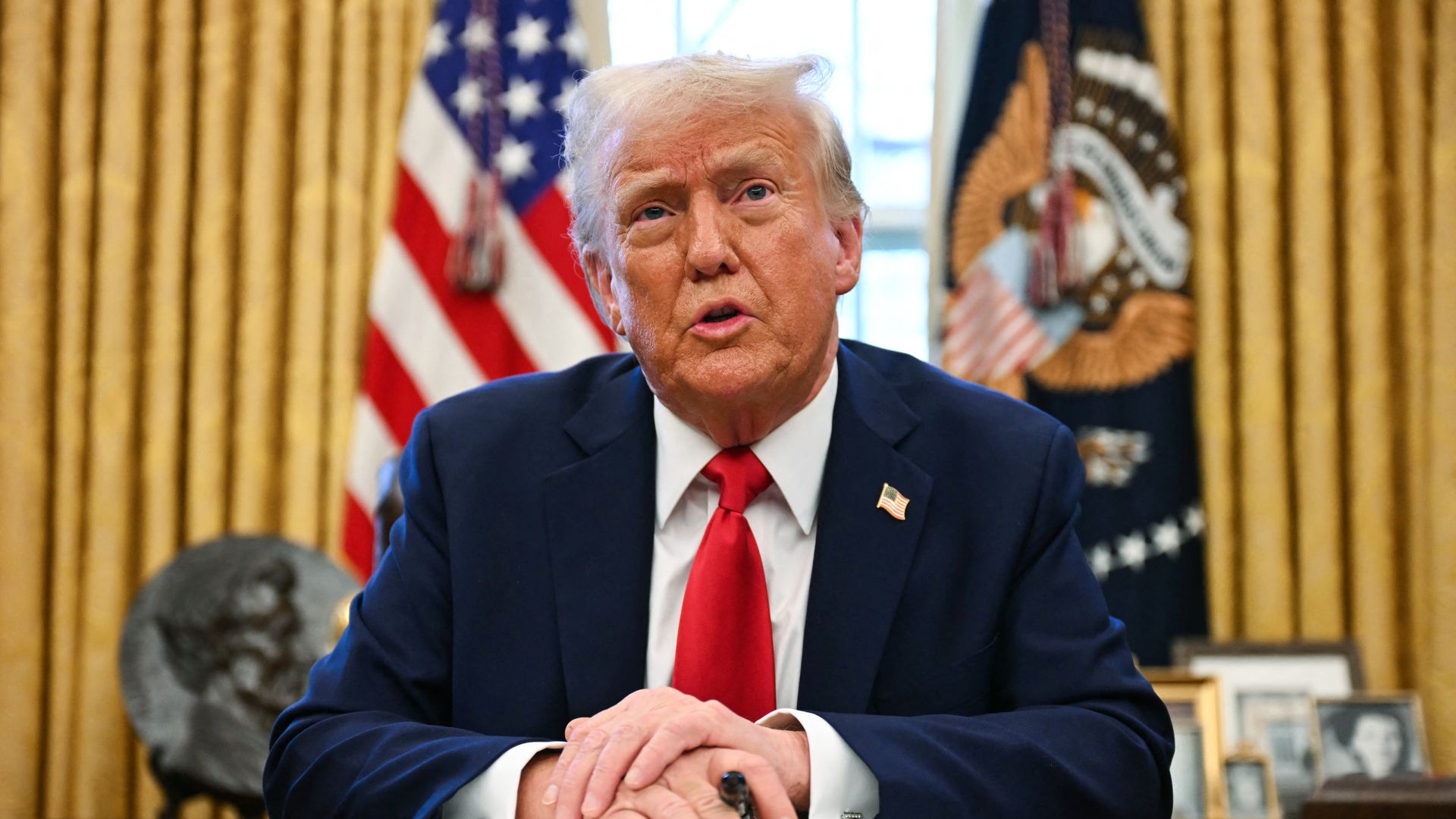
President Trump signed an executive order Wednesday banning trans women and girls from participating in female sports in federally-funded schools, multipleoutlets reported.
Why it matters: Trump made attacks on trans people — and especially trans athletes — a major focus of his 2024 campaign.
Abortion clinics across the country face increased antagonism and threats of violence after President Trump's recent pardons emboldened anti-abortion protestors who now view the White House as an ally.
Why it matters: While Trump has repeatedly flip-flopped on abortion — most recently saying it should be decided by each state — Republicans are eyeing new restrictions on the most common form of medication abortion and rolling back the law that sent anti-abortion protestors to jail.
A trade war with China could shock fragile global health care supply chains, driving up the cost of medical supplies, intensifying shortages of common drugs and limiting U.S. medical device makers' ability to import critical parts.
Why it matters: While President Trump's tariffs are billed as a boon to America's public health for the way they'll cut off sources of fentanyl, experts say they risk upending a health network that buckled during the pandemic and relies on components sourced from around the world, with multiple intermediaries.
Medical costs and access still top Americans' health concerns by a wide margin, ahead of food and water safety or reducing chronic diseases, according to a new poll from Gallup and Emory University.
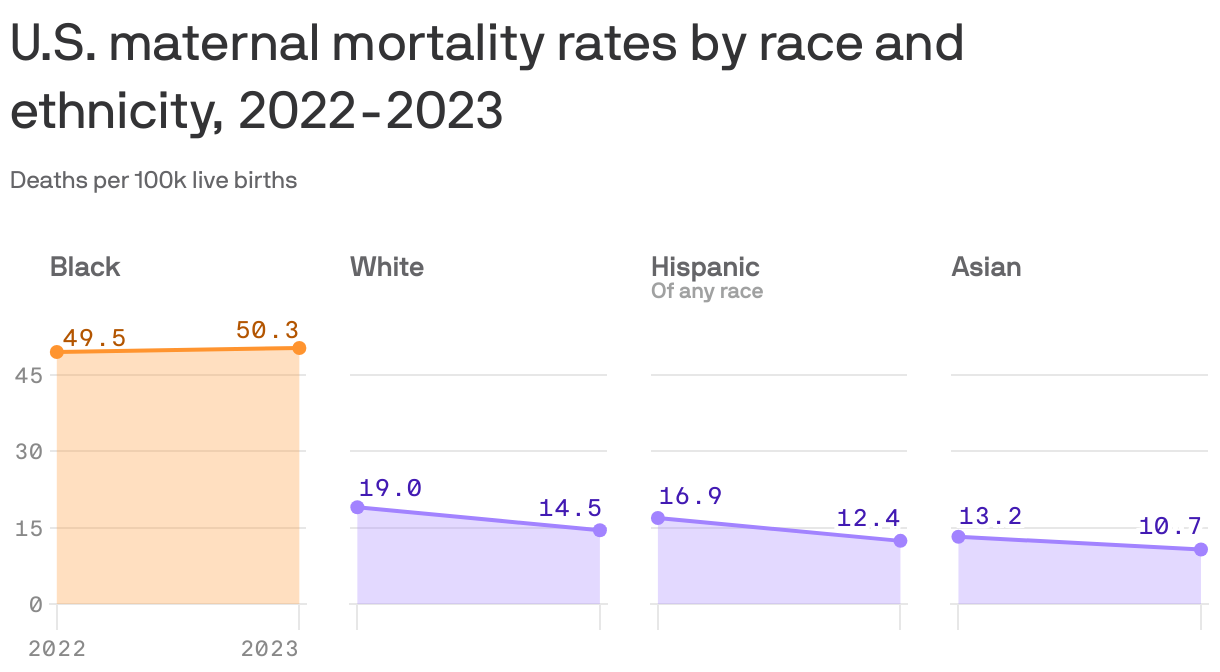
Why it matters: Despite talk in Congress about bringing down drug and other costs, the results show a disconnect with some of the current hot-button debates around childhood vaccines, access to reproductive health and even maternal mortality.