Editor's note: This story was originally published on Nov. 2, and was republished after the 2024 race was called.
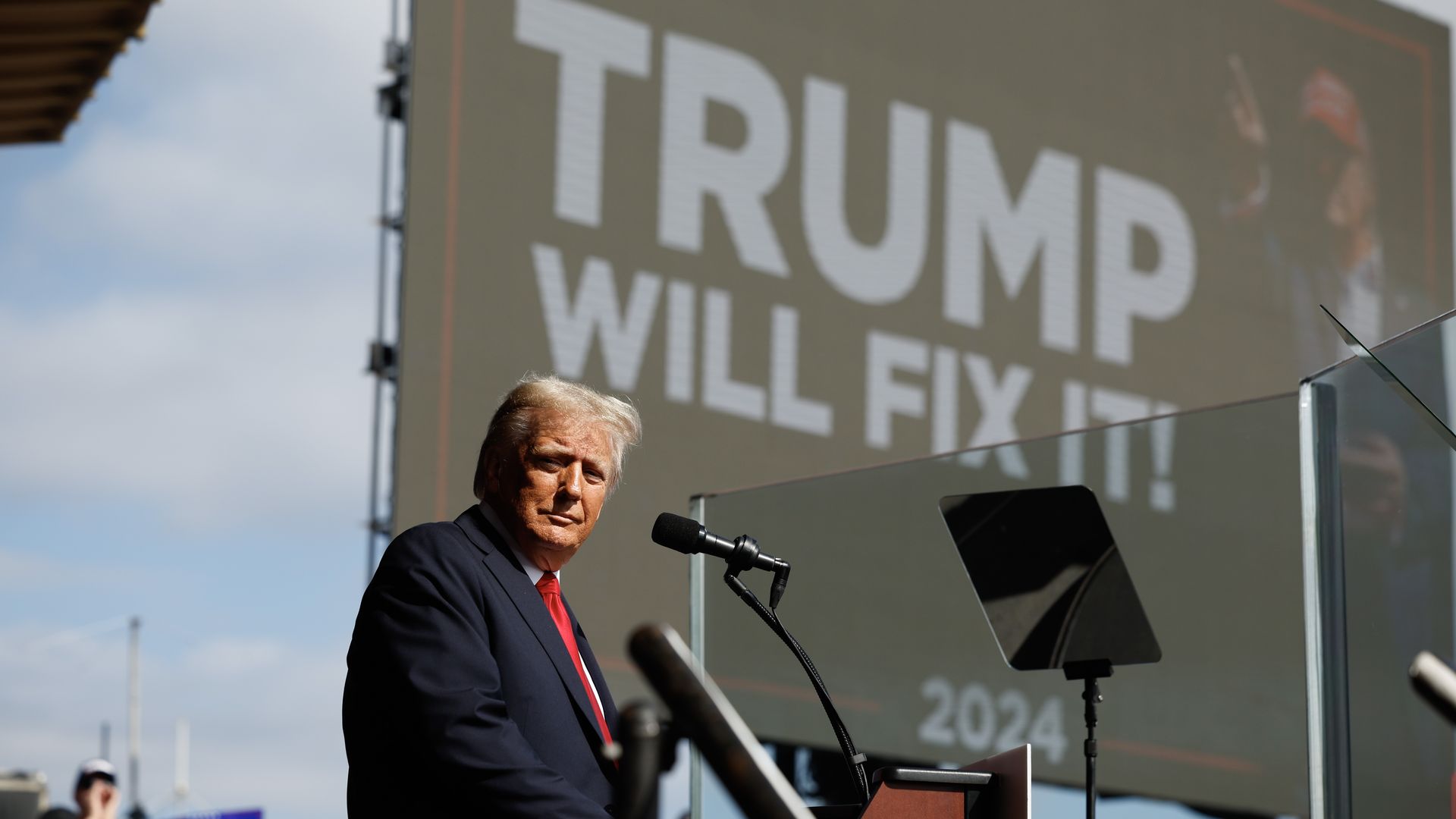
President-elect Trump has promised to rebuild the economy, unleash energy dominance and secure U.S. borders.
The big picture: Trump and Vice President Harris have campaigned for weeks with largely differing visions for the nation on everything from border security to reproductive rights.
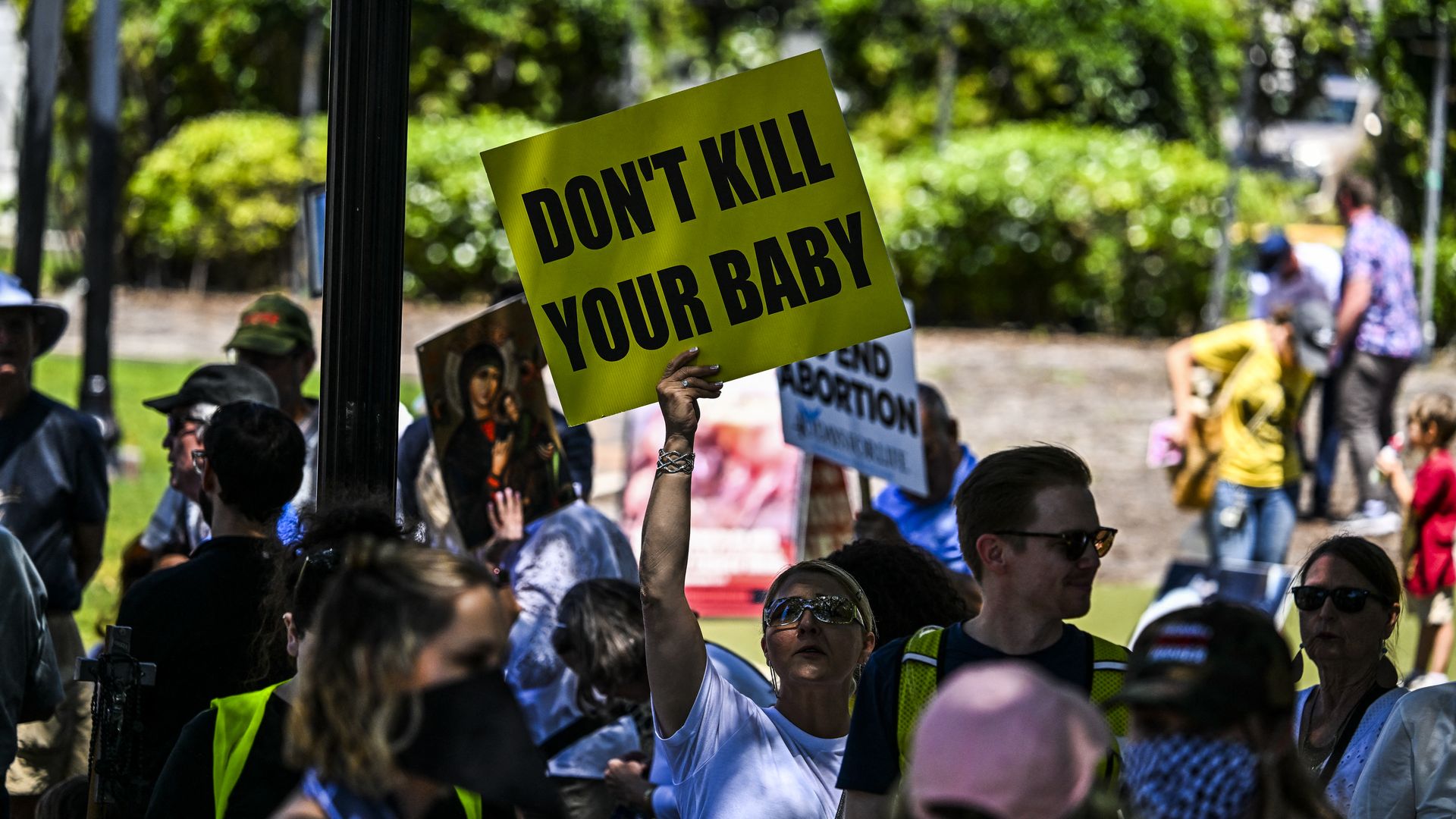
Voters in Florida, Nebraska and South Dakota voted against expanded abortion rights on Tuesday, ending a string of victories for ballot initiatives to enshrine or expand abortion access.
Why it matters: Those defeats were offset by results that broke for abortion rights in New York, Colorado, Maryland and in deep red Missouri and Montana. But they underscored the fractured reproductive health landscape that's evolved since Roe v. Wade was struck down.
Voters in 10 states decided on 11 abortion-related ballot measures on Election Day.
The big picture: 2024 marks the most abortion-related measures on statewide ballots in a given year and comes during the first presidential election since the Supreme Court overturned Roe v. Wade.
Emergency room visits due to eating or drinking too much caffeine roughly doubled among adolescents in the past several years, according to new data from Epic Research.
Why it matters: The episodes are still relatively uncommon but they underscore the potential risks of excessive caffeine intake as energy drinks with high doses of the stimulant flood the market.
The burden of cancer around the world will become even more uneven by 2050, according to a new study.
The big picture: Cancer cases and deaths will increase most in low- and middle-income countries that may have less access to health care or face competing priorities for allocating resources.
Florida voters narrowlyrejected a ballot measure to enshrine the right to an abortion in the state constitution, according to the Associated Press.
Why it matters: A ban on abortion after six weeks of pregnancy will remain the law of the land. After that cutoff, the procedure will be illegal aside from a narrow set of exceptions.
Budget pressures have kept all but 13 states from covering GLP-1 drugs for weight loss through their Medicaid programs, a new report from KFF shows.
Why it matters: The restrictive policies add to equity concerns around the blockbuster drugs, which have shown a remarkable ability to help patients lose weight and improve associated health metrics.
About $1.5 billion in annual Medicare payments to hospitals will be on the line Tuesday when the Supreme Court hears arguments in a case over whether the federal government shortchanges facilities that care for low-income seniors.
Why it matters: It's the latest legal skirmish over so-called disproportionate share payments that have steadily declined in recent years but are a lifeline for hospitals that treat a substantial number of poor patients, who typically are sicker and have more complex needs.