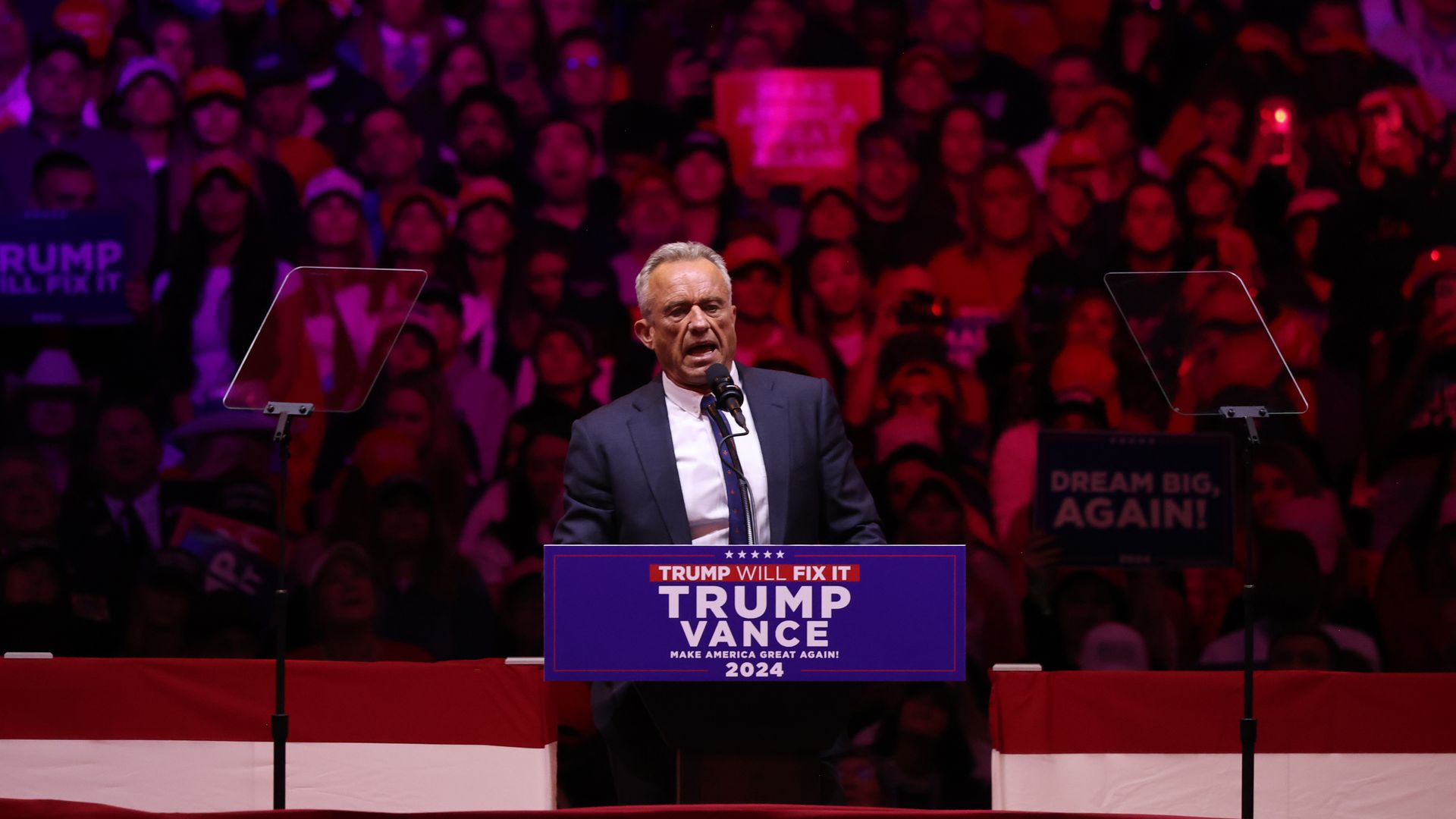
The U.S. Supreme Court on Tuesday upheld a lower court's ruling that Robert F. Kennedy Jr.'s name must stay on Michigan and Wisconsin presidential ballots, despite Kennedy's departure from the race.
Why it matters: Kennedy had pushed to withdraw his name from the ballot to avoid taking votes away from former President Trump in the two battleground states.
Employers worried about lawsuits from workers charging they're not spending their health care dollars wisely are increasingly casting a more critical eye on the middlemen that help manage their drug costs.
Why it matters: While the Biden administration and Congress turn up the heat on pharmacy benefit managers, corporate discontent could have a far bigger impact on the industry if the employers find alternate benefit arrangements.
Federal regulators are confronting a new twist in drug development: manufacturers that include software with the medicine to prod patients to take pills as directed, manage side effects or track how well a treatment works.
Why it matters: The apps could boost the drugs' clinical value and provide a more personalized approach to managing chronic conditions such as depression, obesity and musculoskeletal problems.
More than half of insured Americans say they can't predict how much their covered prescription drugs will cost, according to an annual survey by the pharmaceutical industry trade group PhRMA.
Why it matters: The results, shared first with Axios, come as the drug industry is pressing for more transparency regulations on pharmacy benefit managers and insurers in the lame-duck period following the election.
The 2024 election cycle may be remembered for redefining anxiety and drawing attention to the unique way politics stresses Americans out.
Why it matters: Pitched partisanship, razor-thin margins, political violence and a barrage of ads have measurable health effects, including high levels of stress-related hormone in the body that can lead to weight gain, diabetes, heart disease and more.
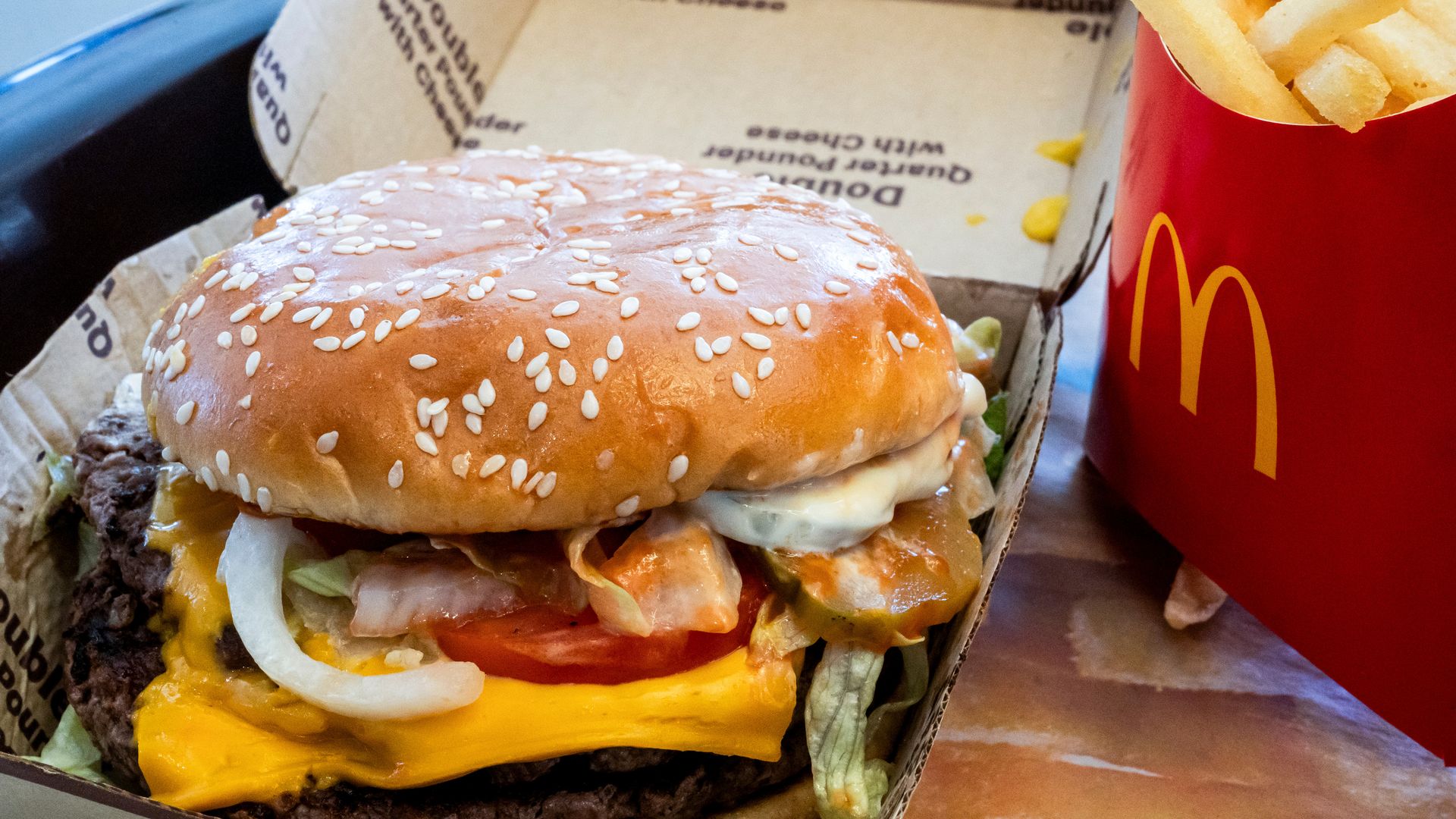
McDonald's Quarter Pounder beef patties were determined not to be the source of an E. coli outbreak following testing, the fast food giant and Colorado health officials said Sunday.
Why it matters: The company said it would resume selling the burgers after Colorado Department of Agriculture test results showed no traces of E. coli in the patties amid concerns they could be linked to an outbreak that's swept 13 states, killing one person and leaving 75 others sick.