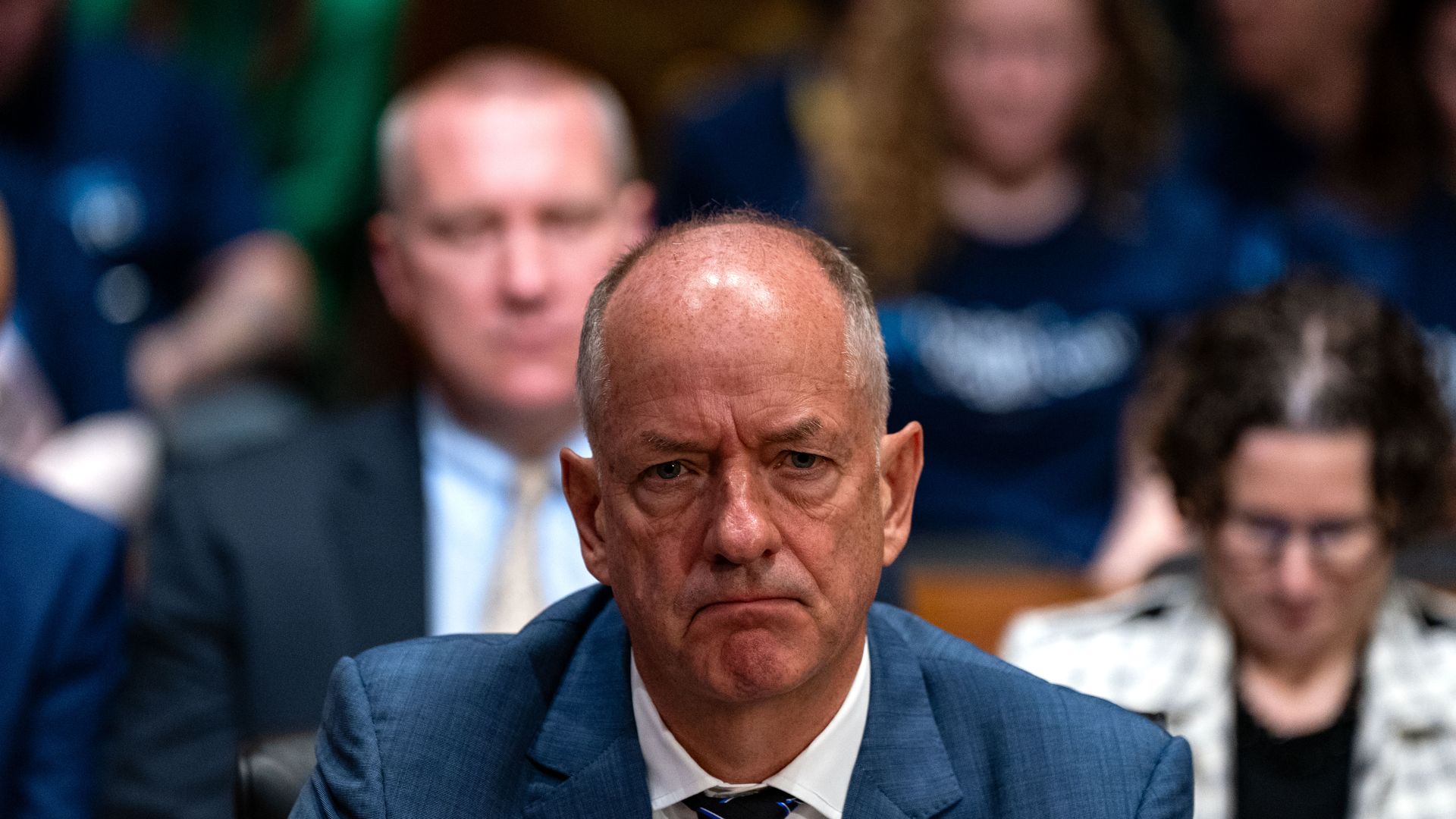
UnitedHealth Group expects costs from the massive cyberattack against its Change Healthcare unit to reach $2.3 billion to $2.45 billion this year, the company said in a second quarter earnings report on Tuesday.
Why it matters: That eclipses earlier projections by more than $1 billion and amounts to a drag of $0.60 to $0.70 cents per share on earnings from business disruptions.
Two years in, big questions remain about whether America's revamped 988 suicide hotline is working as envisioned and how funding has been dispersed.
We checked in with Miriam Delphin-Rittmon, assistant secretary for mental health and substance use for the Health and Human Services Department, about what's next. Questions and answers have been edited for clarity.
Many Americans still don't know about 988, the revamped national suicide hotline, according to new polling from Ipsos on behalf of the National Alliance of Mental Illness.
Why it matters: 988 launched two years ago Tuesday, and while 67% of U.S. adults say they've heard of the hotline, only 23% say they're at least somewhat familiar with it.
Why it matters: Widening gaps in immunization coverage are driving outbreaks of measles and other diseases and compounding a historic drop-off in vaccination rates during COVID-19.
COVID-19 cases are growing or likely growing in 45 states and territories, and more than half of the states have virus levels that are "very high" or "high" as a summertime wave expands, according to the Centers for Disease Control.
Why it matters: The prevalence of COVID is especially high in the West, where test positivity in the region comprising Arizona, California, Hawaii and Nevada stood at 15.6% and viral activity in wastewater has been rising over the past month, according to the agency.
The Change Healthcare cyberattack shook U.S. health care to its core for months and exposed major cyber vulnerabilities. But the likely ripple effects on individuals are only now becoming apparent.
Why it matters: As many as 1 in 3 Americans may have had personal information compromised, some of which is purportedly being trafficked on the dark web — and is expected to enable identity theft, as well as tax, insurance and mortgage fraud.
Medicare for the first time is proposing to reimburse doctors for digital mental health therapies like apps and software to treat behavioral health conditions.
Why it matters: The movecould be a boost for digital therapeutics like wellness apps or video games that have been slow to gain adoption because there aren't consistent payment and coverage pathways.
43% of women in the U.S. have skipped or delayed recommended health screenings despite widespread recognition that they are important, a new survey shows.
Why it's important: Extensive research has proven that regular health screenings save lives and help patients avoid less intensive treatment thanks to earlier detection and treatment of disease.