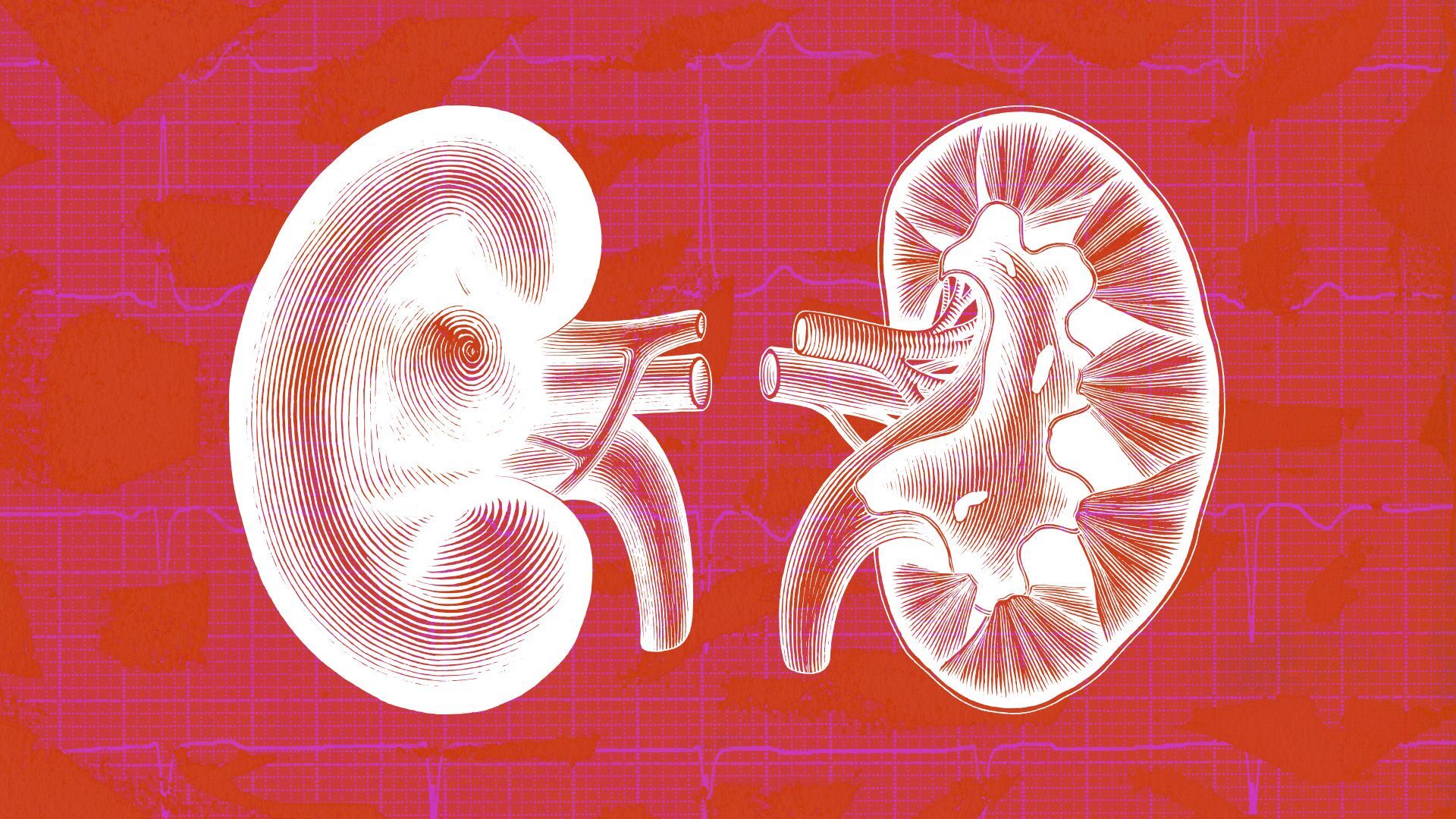
Vertex Pharmaceuticalshasagreed to buy Alpine Immune Sciences, a Seattle-based biotech focused on inflammatory kidney disease, for around $4.9 billion in cash.
Why it matters: This is the year's largest biotech merger so far, and also the richest deal in Vertex's 25-year history.
When the former head of Kaiser Permanente's physician group started to write last fall about how the explosion in generative AI would change health care, he worried he might be too optimistic.
Less than a year later, Robert Pearl says he probably wasn't bullish enough, pointing to a rash of health care tools recently announced by AI chipmaker Nvidia.
The big picture: Pearl, a Stanford University professor and health care thought leader, this week published "ChatGPT, MD: How AI-empowered patients and doctors can take back control of American medicine."
Hospitals within months could get extra federal money to administer pricey new gene therapies for sickle cell disease, including the first CRISPR-based treatment.
Why it matters: The Medicare proposal would provide more incentive to offer the multimillion-dollar gene therapies when about half of those living with sickle cell are lower-income people on Medicaid.
With 323 medicines in short supply, U.S. drug shortages have risen to their highest level since the American Society of Health-System Pharmacists began tracking in 2001.
Why it matters: This high-water mark should energize efforts in Congress and federal agencies to address the broken market around what are often critical generic drugs, the organization says.
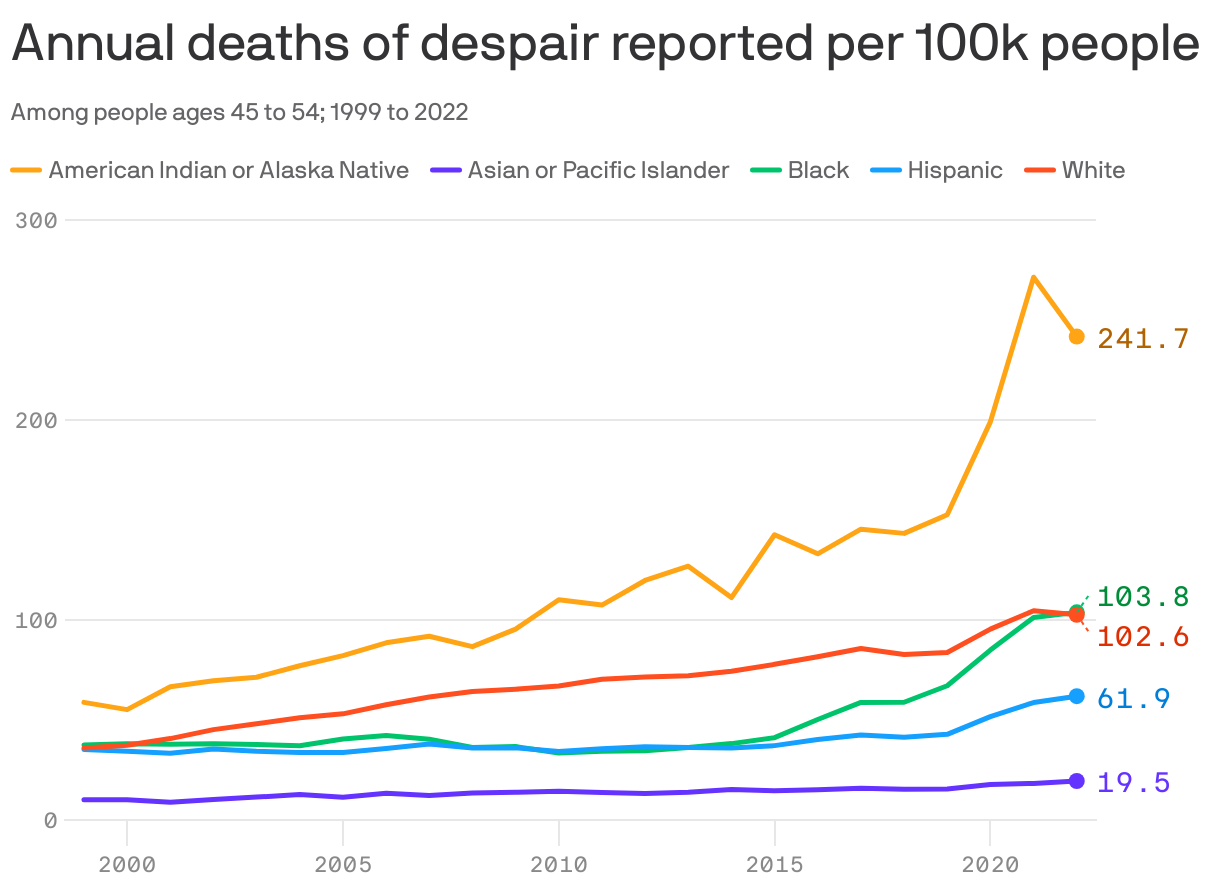
Reproduced from a JAMA Psychiatry report; Note: Deaths of despair include suicide, drug overdose and alcoholic liver disease; Chart: Axios Visuals
Middle-aged Black and Native Americans have higher death rates from alcoholic liver disease, overdoses and suicide than white Americans, dispelling longstanding narratives about what are collectively referred to as "deaths of despair."
Why it matters: New research in JAMA Psychiatry underscores how much the flow of illicit drugs, unequal access to the health system and worsening economic conditions have weighed on these minority groups.
Mississippi, one of the country's poorest and least healthy states, could soon become the next to expand Medicaid.
Why it matters: It's one of several GOP-dominated states that have seriously discussed Medicaid expansion this year, a signthat opposition to the Affordable Care Act coverage program may be softening among some holdouts 10 years after it became available.