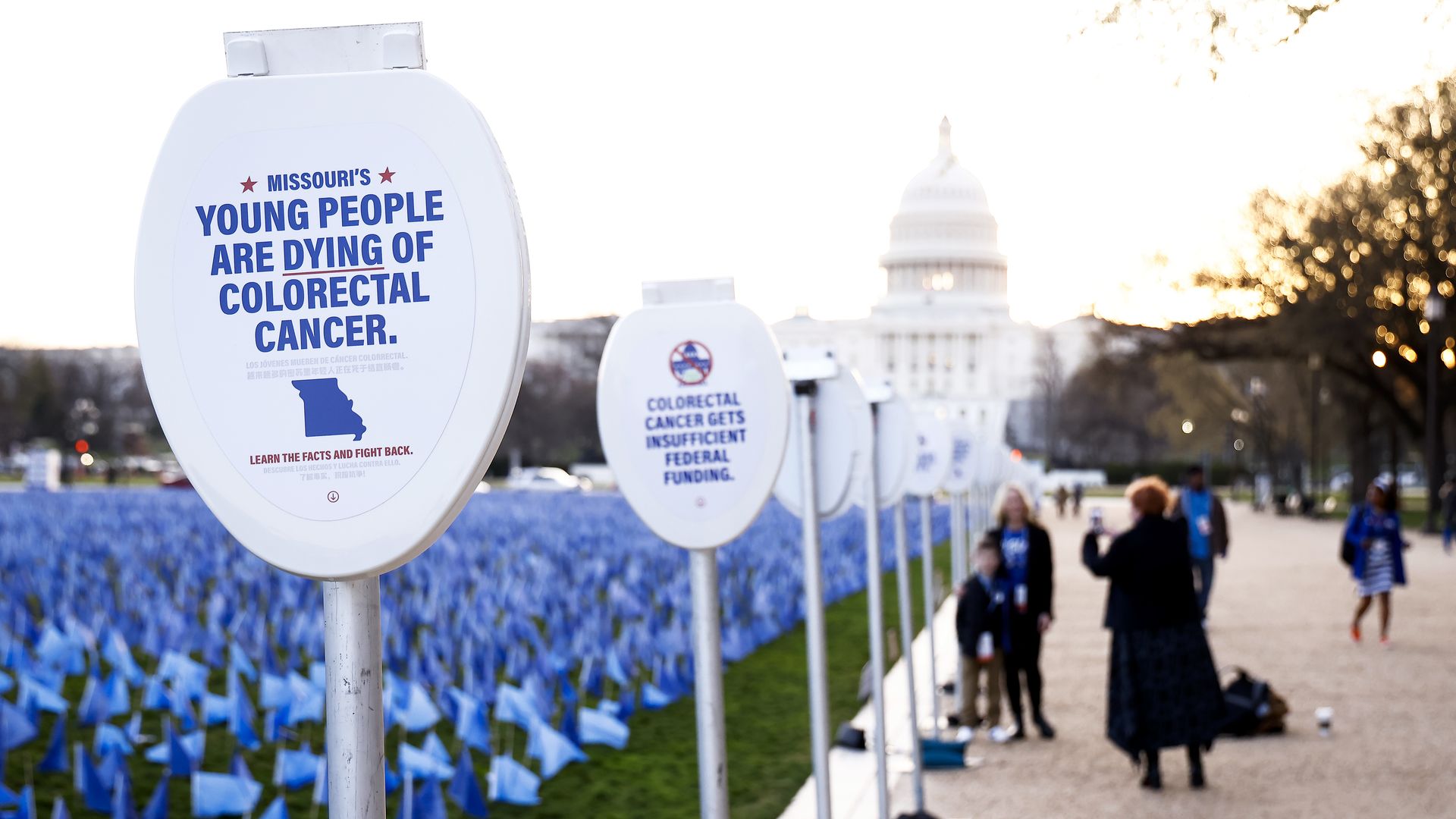
Rates of colorectal cancer are rising among people under 50 in the U.S., though experts remain unsure about what's causing the worrying phenomenon.
Why it matters: As March marks Colorectal Cancer Awareness Month, many experts are highlighting the need to be proactive in learning about the disease and testing for it.
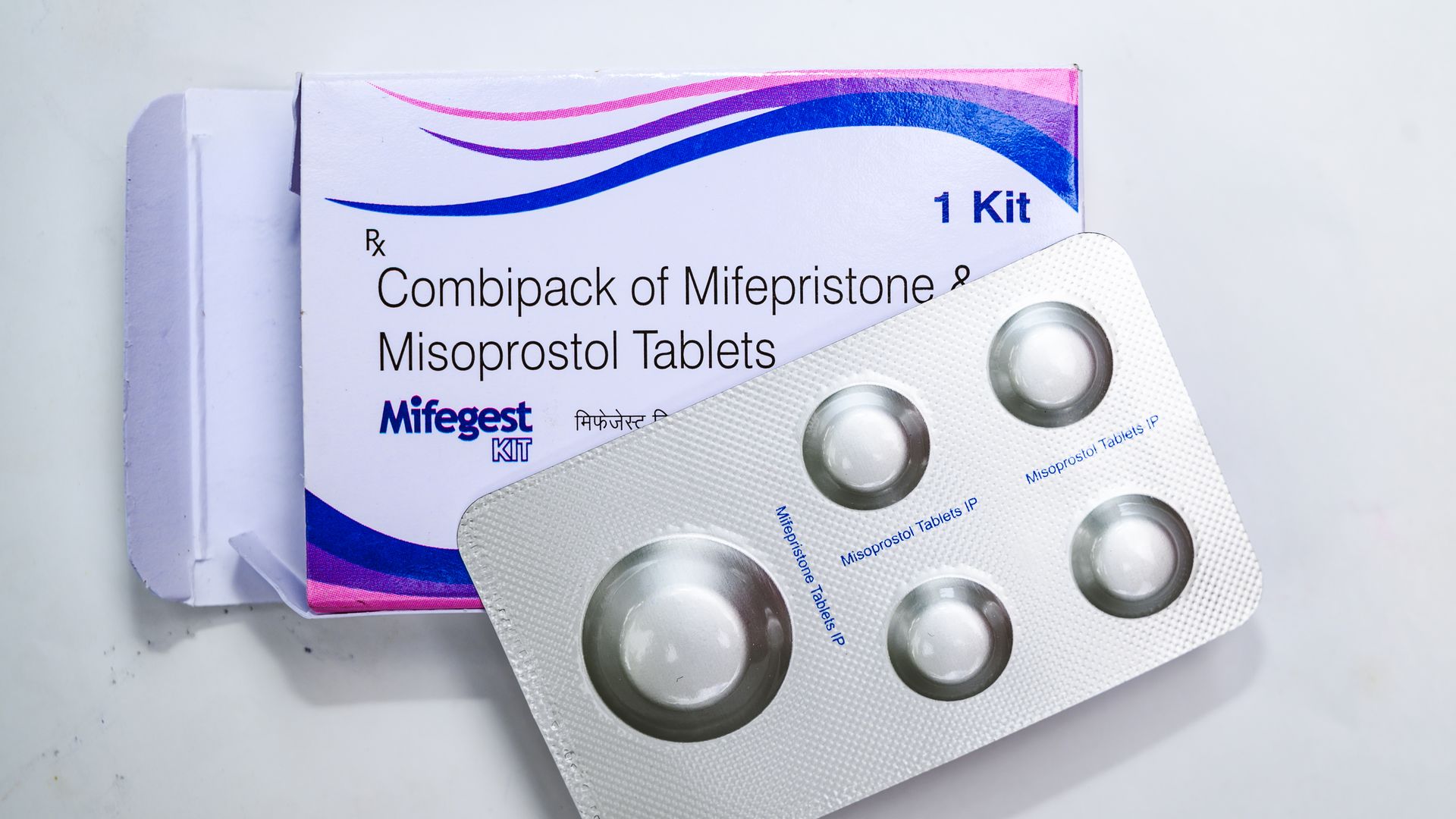
Medication abortion accounted for about two out of three abortions performed in the U.S. in 2023, the highest figure on record, according to a new study by the Guttmacher Institute.
Why it matters: The Supreme Court is slated to hear oral arguments next week on access to the abortion pill, mifepristone. The case could further limit reproductive rights in the wake of the court's decision to overturn Roe v. Wade nearly two years ago.
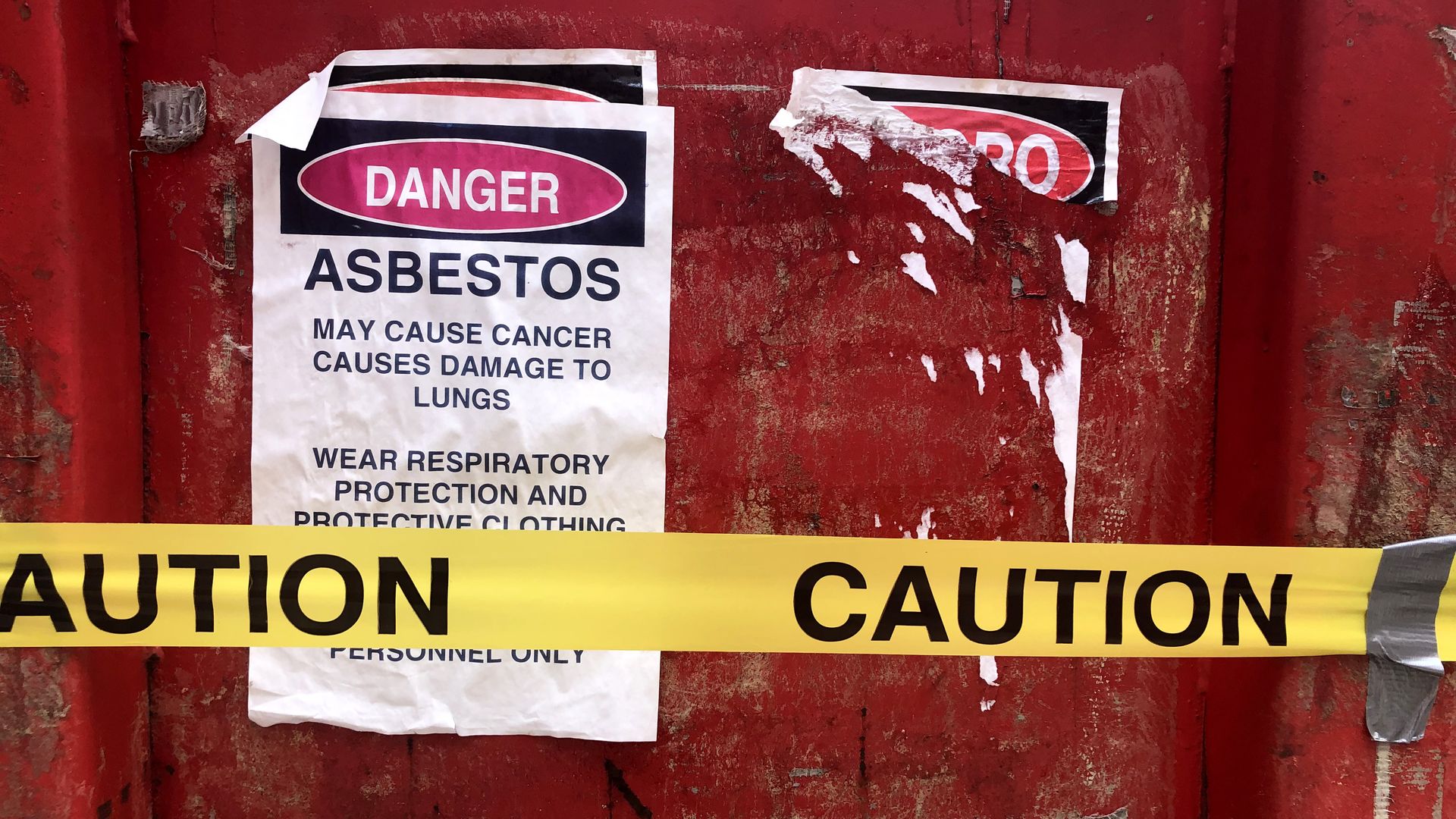
Why it matters: The carcinogen is linked to more than 40,000 deaths per year in the U.S., and chrysotile asbestos is still used in certain types of gaskets, car brakes, and other materials, per the EPA.
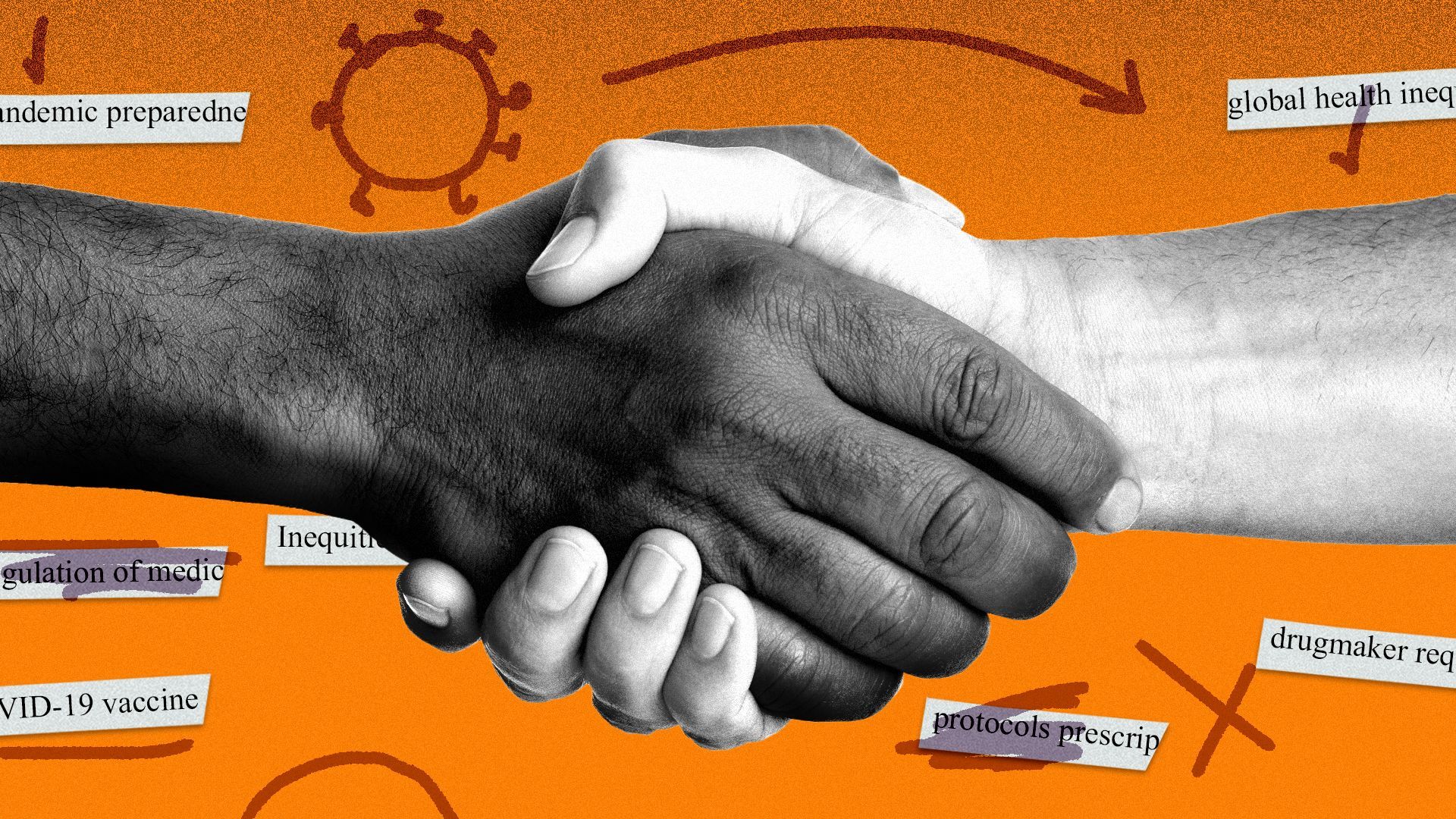
An international draft treaty aimed at bolstering readiness for the next pandemic enters a final round of scheduled negotiations Monday, with key disagreements remaining about how much knowledge and product drugmakers must share with the world.
Why it matters: COVID-19 laid bare global health inequities — and exacerbated them, as low- and middle-income countries received vaccines far later than other countries despite global sharing efforts hatched during the crisis.
President Biden on Monday will issue an executive order to bolster women's health research, while federal agencies are announcing new steps to close long-standing gender gaps in clinical trials and care.
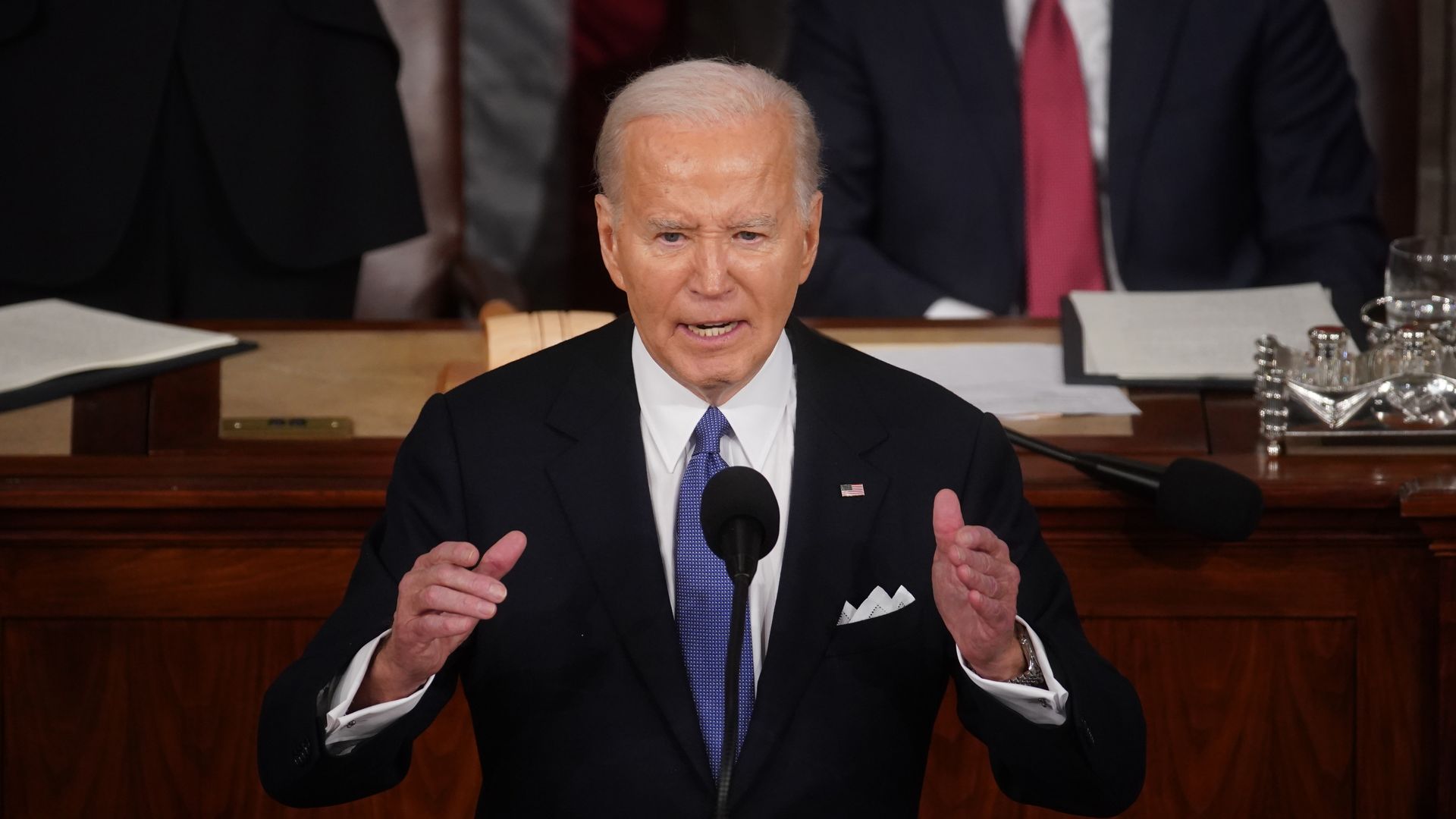
Why it matters: They're among the first concrete steps the White House is taking on a new women's health research initiative led by first lady Jill Biden, and they come shortly after the president in his State of the Union address called on Congress to provide $12 billion for the effort.