The pandemic changed everything — and yet a lot of the world would feel very familiar to a time traveler from late 2019.
Why it matters: Change doesn't affect everything equally, and sometimes it takes us on a circumbedibus that deposits us unceremoniously exactly where we started.
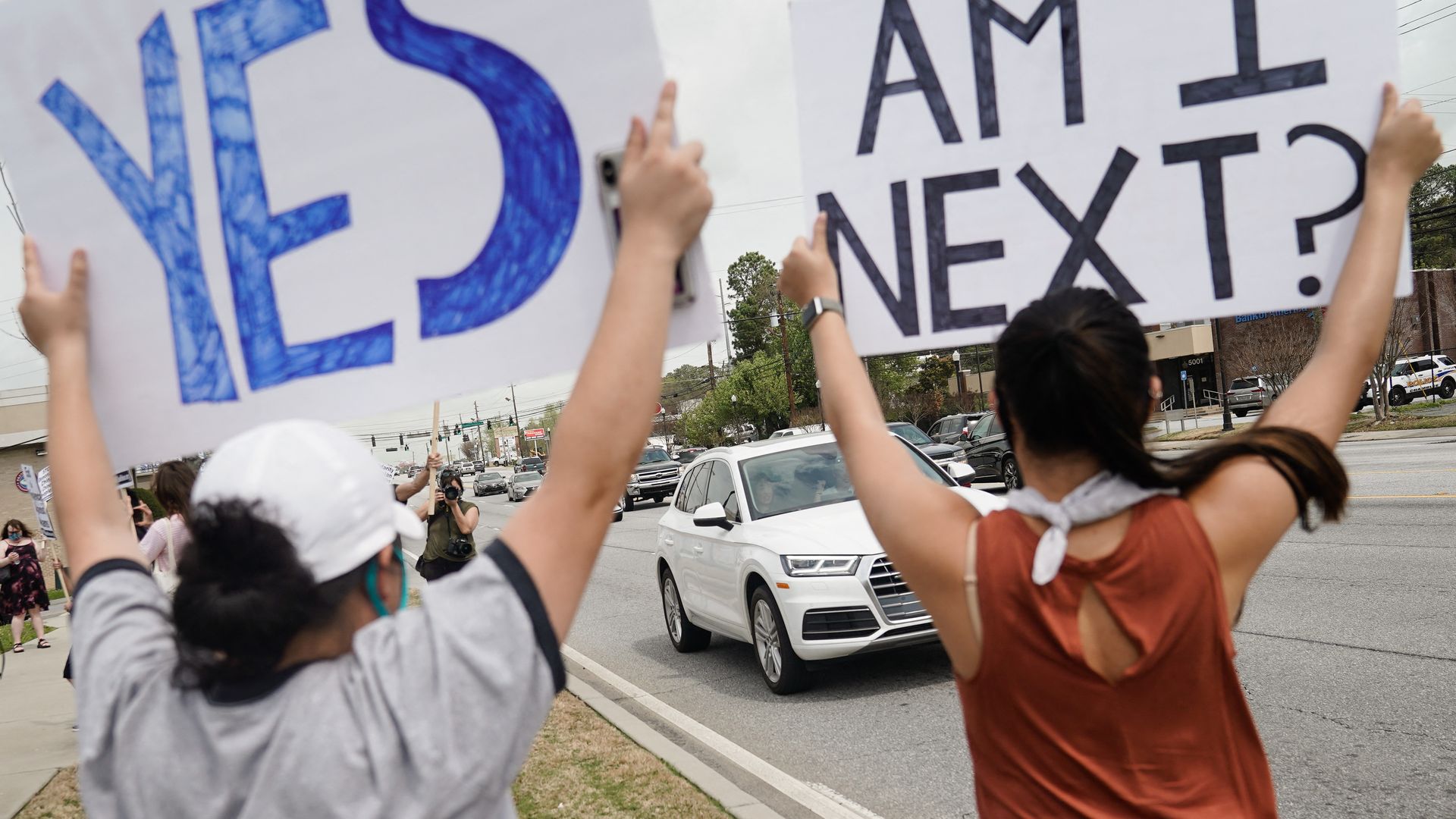
Asian Americans' psychological stateover the last few years has been one of hypervigilance and pretending — constantly having to act as if everything is "business as usual" even amid high-profile anti-Asian attacks and the aftereffects of collective trauma, health advocates and experts tell Axios.
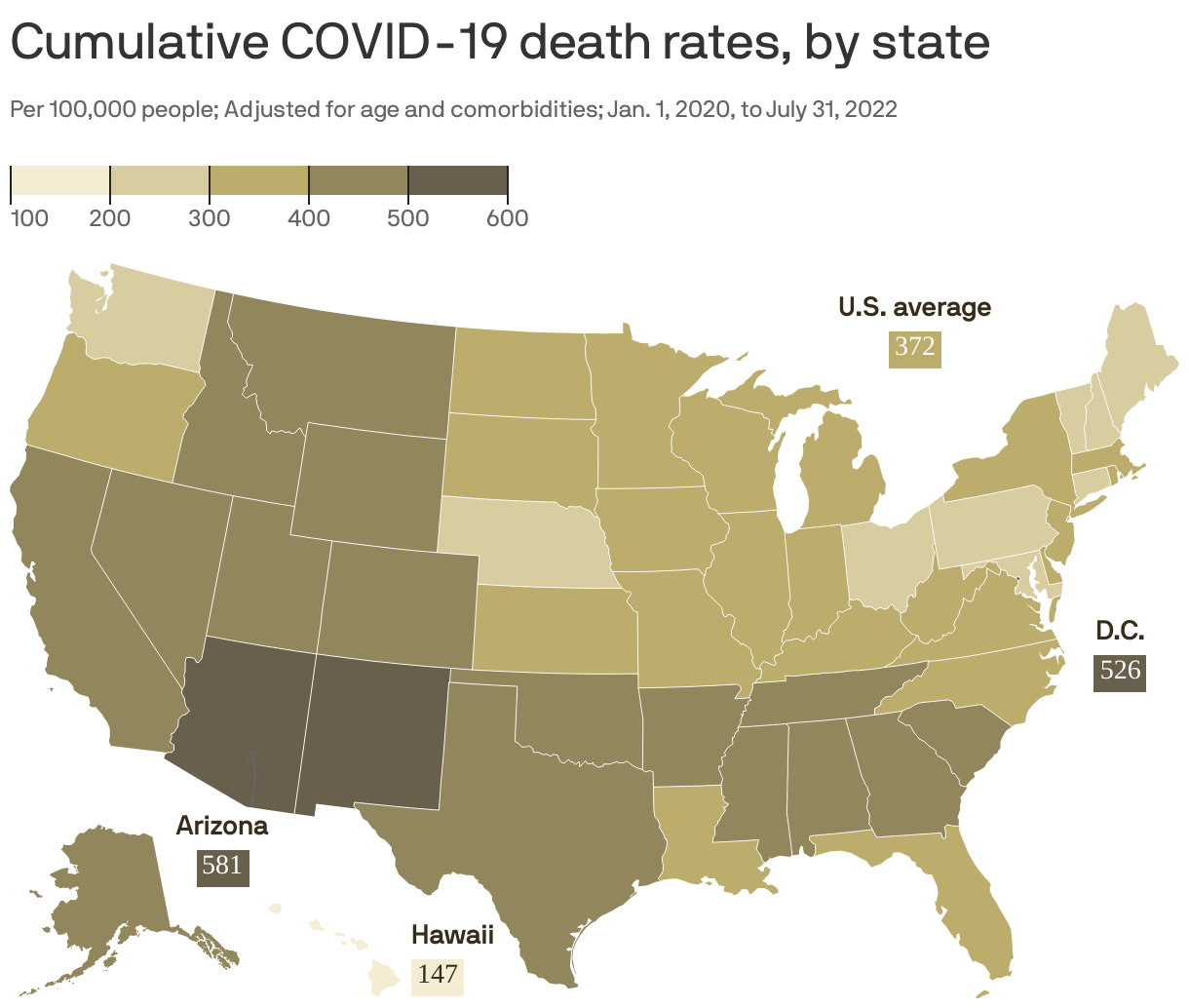
The pandemic experience varied sharply from state to state, with some of the highest adjusted death rates reported in Arizona, the District of Columbia and New Mexico, according to an analysis published in The Lancet.
Why it matters: It's among the first deep dives to explore the social and economic factors at play during the pandemic in the U.S., and it found a nearly fourfold variation in COVID infection and death rates between states.
State efforts to control health costs through public options are stalling in the face of resistance from providers and lackluster enrollment, even as talk of a federal version recedes.
Why it matters: The states' underwhelming attempts offer an ominous warning for lawmakers seeking to lower health costs: Insurers and providers aren't going to willingly cooperate with programs that threaten their profits and revenues.