Thursday's health stories

Nonprofit scores with progressive health ballot measures in red states

A progressive nonprofit cemented its status as a key driver of state health policies in the midterms, winning popular votes on ballot questions dealing with abortion rights, Medicaid expansion and medical debt.
Driving the news: The Fairness Project scored multiple wins Tuesday night, including in South Dakota and Arizona, whose conservative-led legislatures have resisted taking up those causes.
- South Dakota became the seventh red state since 2017 to pass a Medicaid expansion question that the group got on the ballot.
- The group also succeeded with a medical debt relief ballot question in Arizona that could become a model for other states dealing with high health costs and aggressive collection tactics.
- And it won passage of abortion rights measures in Michigan and Vermont that made it much harder for lawmakers there to enact bans.
Why it matters: The South Dakota Medicaid win, in particular, defied the notion that red state voters aren't receptive to expanding safety net program their Republican legislators have shunned.
- It also put pressure on 11 holdout states that haven't expanded their Medicaid programs, said Eliot Fishman, senior director of health policy at Families USA.
What they're saying: Kelly Hall, the Fairness Project’s executive director, told Axios the nonprofit went on offensive during the Trump years, by targeting states while federal lawmakers were locked in a bitter battle over repealing the Affordable Care Act.
- The group has seized on ballot measures, a “powerful but difficult to use tool” Hall said is seen as a last resort because of the difficulties drafting language and getting the measures certified.
- It lines up financial assistance for local advocacy groups who make the case to voters.
- South Dakota's Medicaid measure was fueled by a multi-million dollar campaign that drew the state's biggest hospitals, interfaith leaders, farmers unions and businesses.
The other side: Republicans like South Dakota Gov. Kristi Noem have long had reservations about progressive policies that expand coverage, citing the potential cost to the state.
- FamiliesUSA’s Fishman says “it’s not a compelling argument” since the federal government picks up 90% of the tab in Medicaid expansion.
Zoom in: Some Republicans have embraced Medicaid expansion as a way to control future health spending.
- In 2018, Hall said some people in Idaho who collected signatures to put a Medicaid question on the ballot wore MAGA hats and called themselves “Trump voters for Medicaid.”
- In South Dakota, Republican Rep. Greg Jamison cut an ad for the campaign saying he’d be voting for Medicaid expansion to limit the future economic impact on the state.
- Skepticism "has been much more diminished in 2020 and 2022 cycles because people can really see the power of what’s possible," Hall said.
But, but, but: Only two of the 11 remaining Medicaid holdout states that haven’t — Wyoming and Florida — have the option to vote for expansion via ballot measures. The others would leave such questions to their legislatures.
- Florida requires a 60% supermajority to pass, which complicates prospects, FamiliesUSA’s Fishman tells Axios. South Dakota voters overwhelmingly rejected an attempt to changes the state's threshold from a simple majority this June.
What’s next: Hall said it’s too soon to discuss the next battlegrounds but said the group is poised to keep pushing for health policy, like abortion rights, in states where Republicans have resisted it.
- "Because those legislators are refusing to govern on the issues that matter most to voters including health care ... voters are having to take matters into their own hands," she said.

Juul secures new funding to avoid bankruptcy, plans to cut jobs
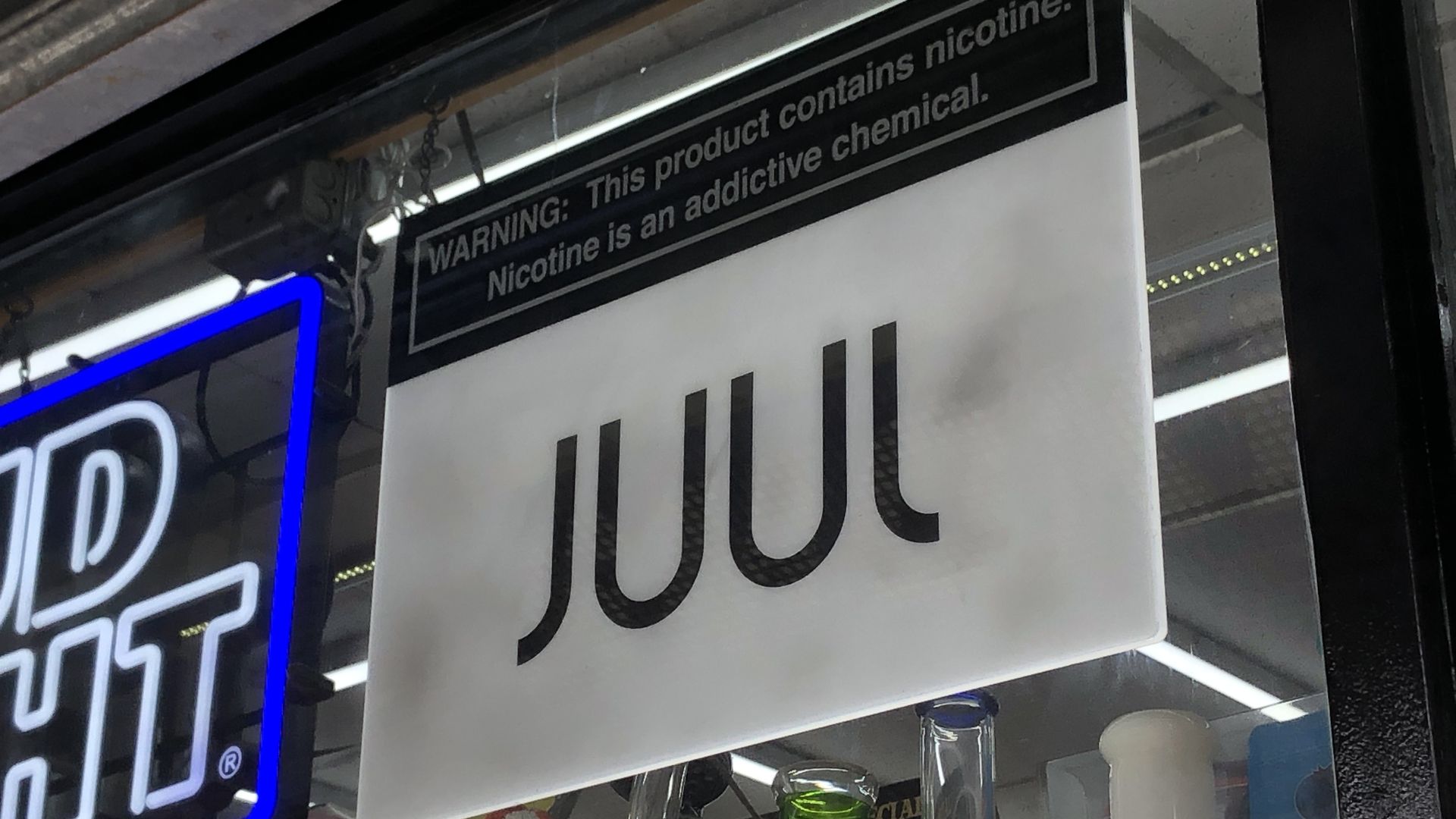
Juul Labs on Thursday said it has secured enough new financing to avoid bankruptcy, but warned of an upcoming "reorganization" that will include layoffs.
Why it matters: Juul had been preparing for a potential chapter 11 filing as it continues to battle federal regulators over selling its products on the open market.
Alzheimer’s Association launches PSA with singer Luis Fonsi

Singer Luis Fonsi is urging Latinos to join him in breaking down the community's stigma around Alzheimer’s, a disease that has hit close to home since his abuelita’s diagnosis.
Why it matters: Latinos are projected to have the steepest increase in Alzheimer’s diagnoses over the next 40 years, but shame can keep many from seeking care, said Yarissa Reyes, who heads Latino outreach for the Alzheimer’s Association.

Midterms bring major constitutional wins for abortion rights

The first major election of the post-Roe era yielded new protections for abortion rights, as voters in three states approved measures to add constitutional protections guaranteeing access to the procedure.
Driving the news: California, Michigan and Vermont backed ballot measures that effectively make it impossible for state lawmakers to enact bans.

California's flavored vape ban prevails but court challenge looms

Californians on Tuesday voted in strong numbers to ban the sale of flavored vapes and menthol cigarettes. But the Supreme Court may yet have the final say on the matter.
The big picture: California joined a handful of other states and cities that have leapfrogged the Food and Drug Administration on banning all flavored e-cigarettes that are popular with youths, as well as menthol cigarettes.
- The move "will send a clear message to the federal government" on the need for action, Matt Myers, president of the Campaign for Tobacco Free Kids, told Axios.
Yes, but: R.J. Reynolds Tobacco Company last month asked the Supreme Court to review its challenge to a similar ban in Los Angeles County, arguing that local and statewide bans infringe on the federal government's authority to regulate tobacco products.
- Justices haven't signaled whether they'll take the case.
- There are also a handful of active legal challenges in circuit courts brought by vapor companies against the FDA for denying their products' marketing orders.
Zoom out: The FDA has been weighing individual companies' applications to market e-cigarette products, so far only approving tobacco-flavored products.
- The California result saw 62% of voters opt to uphold a 2020 state law banning flavored products that tobacco interests challenged, forcing a popular vote.
The other side: Vaping interests say the statewide ban harms millions of adult smokers in California who used e-cigs as a cessation device and may be forced to go back to cigarettes.
- The ballot did not make exceptions for products that the FDA can approve for modified risk use, to wean smokers off cigarettes, Greg Conley, director of legislative and external affairs at the American Vapor Manufacturers Association, told Axios.
By the numbers: The ballot measure, Prop 31, will cost California as much as $100 million in decreased tobacco tax revenue.
- As of late September, the tobacco industry spent more than $22 million trying to defeat the measure.
- Health organizations and the California Democratic Party, with significant help from philanthropist Michael Bloomberg, spent more than $6 million to support it.
Editors note: This article has been corrected to reflect the correct name of the president of the Campaign for Tobacco Free Kids.
Republicans' abortion silence backfires in midterms

The blame game has begun around what led to Republicans' disappointing results in the midterms, with some outside groups zeroing in on the party's lack of an abortion message.
Driving the news: Susan B. Anthony Pro-Life America, a large anti-abortion organization with close ties to GOP leaders, slammed Republican candidates who distanced themselves from abortion bans and failed to clearly communicate their stance on the issue, calling it "political malpractice."

Republicans poised to take power with limited health care agenda

For the first time in more than a decade, a party without a definable health care agenda is on the cusp of a new congressional majority, all but ensuring that next year's agenda will be driven by real-world events more than campaign promises.
Why it matters: Republicans have been eager to move on from health care for years, but a series of jarring events may draw them back in. The narrower the majority, the worse news that is for the party — and potentially for patients.

Axios Finish Line: Helping heroes

This article originally appeared in Axios Finish Line, our nightly newsletter on life, leadership and wellness. Sign up here.
Here's a sobering stat: Since 9/11, four times as many U.S. service members have died by suicide as have died in combat.
Why it matters: We don't have a strong enough safety net for the men and women who risk their lives to keep us safe.
- 13% of adults experiencing homelessness are veterans.
- About 15 in every 100 veterans are living with PTSD.
SCOTUS seems unlikely to gut suing rights of Medicaid recipients

Supreme Court justices on Tuesday appeared unsympathetic toward an effort to bar Medicaid beneficiaries from suing for benefits the safety net program promises.
Driving the news: During oral arguments in a closely watched case, justices rebuffed claims that Medicaid is off-limits from “Section 1983” — a Reconstruction-era law that allows people to enforce civil rights violations by suing state officials in federal court.