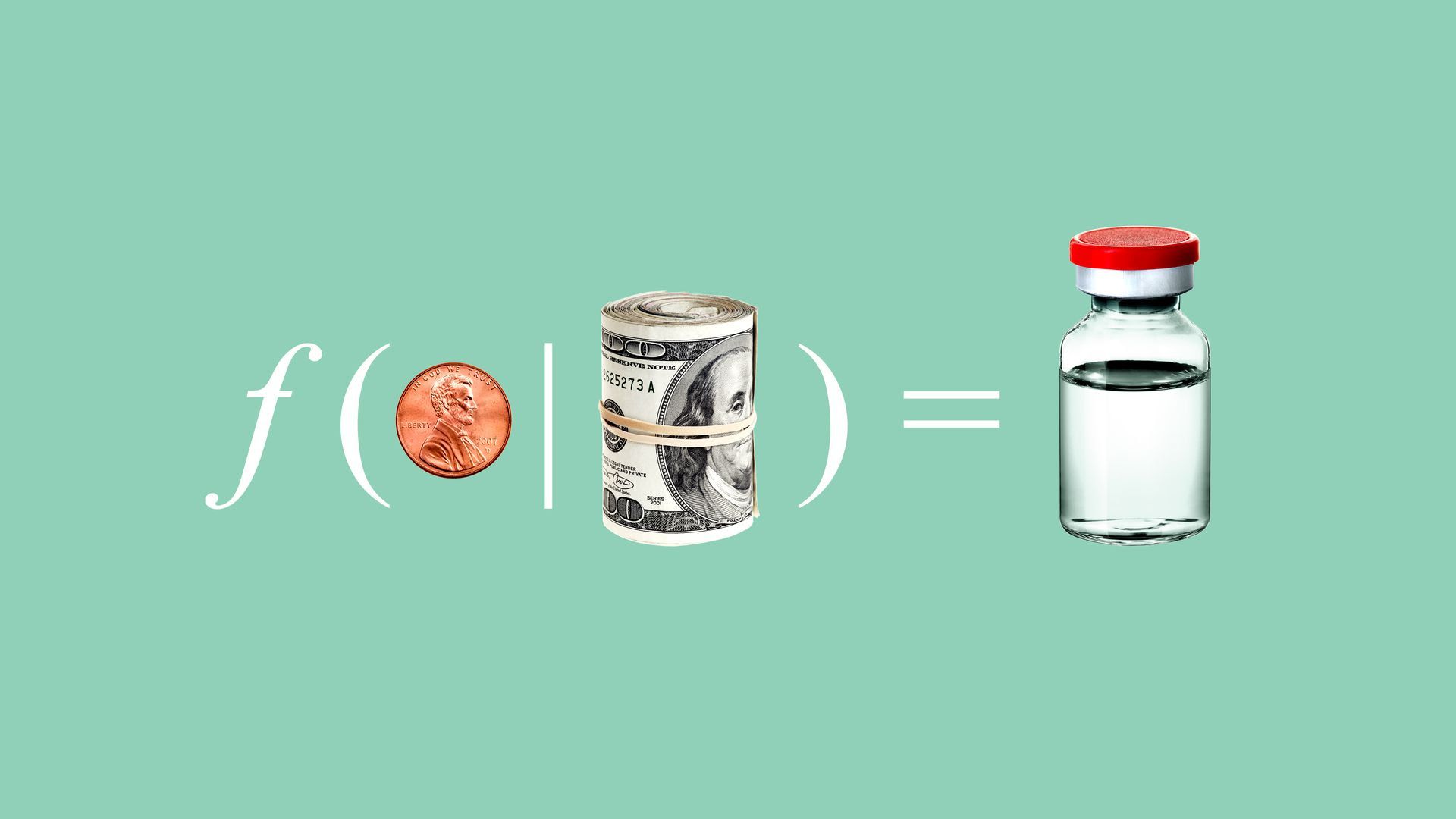
Drug companies don't have much financial incentive to invest research and development dollars into new vaccines and antibiotics, leaving the world vulnerable to future pandemics.
Between the lines: The best-case scenario for these kinds of drugs is that they're lightly or never used. That doesn't sound very good to companies when their R&D dollars could alternatively go to diseases like cancer, which are much more likely to turn a sizable profit.
The deadly coronavirus has not yet sufficiently spread internationally to designate the outbreak as a global health emergency, the World Health Organization announced Thursday.
Why it matters: Some say the lack of a declaration of a Public Health Emergency of International Concern (PHEIC) could lessen international focus and funding needed to address a potential threat, but others worry such a declaration could limit the travel and trade important to many people's livelihoods.
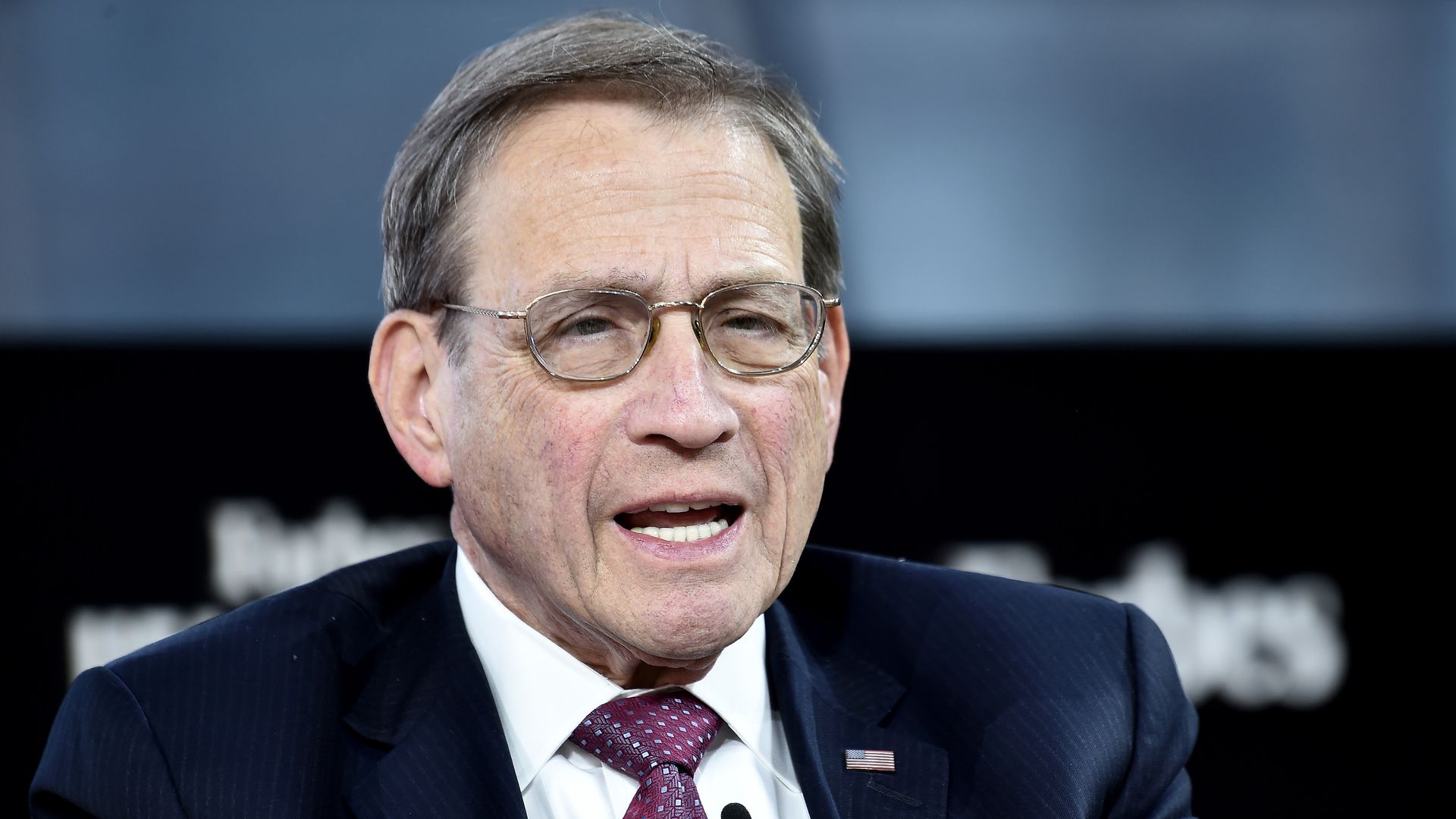
A judge has sentenced John Kapoor, the founder and former CEO of Insys Therapeutics, to 5.5 years in prison after a jury found him guilty in a bribery and racketeering scheme around the company's potent opioid drug, Subsys.
Why it matters: "Kapoor, 76, is now the highest-ranking pharmaceutical executive to be sentenced in a case linked to the opioid crisis," Reuters reports.
Eighteen Blue Cross Blue Shield insurers are investing a combined $55 million to build a new generic drug company as a subsidiary of the nonprofit Civica Rx. The firm will focus on manufacturing generics people get at the pharmacy.
Between the lines: Civica and the Blues aren't disclosing which drugs they want to make, so it's unclear how much effect this company will have. But the investment highlights the broad desire to counter generic companies that are accused of price-gouging.
Centene and WellCare have cleared all federal and state antitrust reviews, and today they finalized their merger — combining into the largest health insurer by membership, with 23.4 million covered people.
Why it matters: The health insurance industry gets a lot more consolidated with this deal, and competition will decline within state Medicaid programs and among federal Medicare plans.
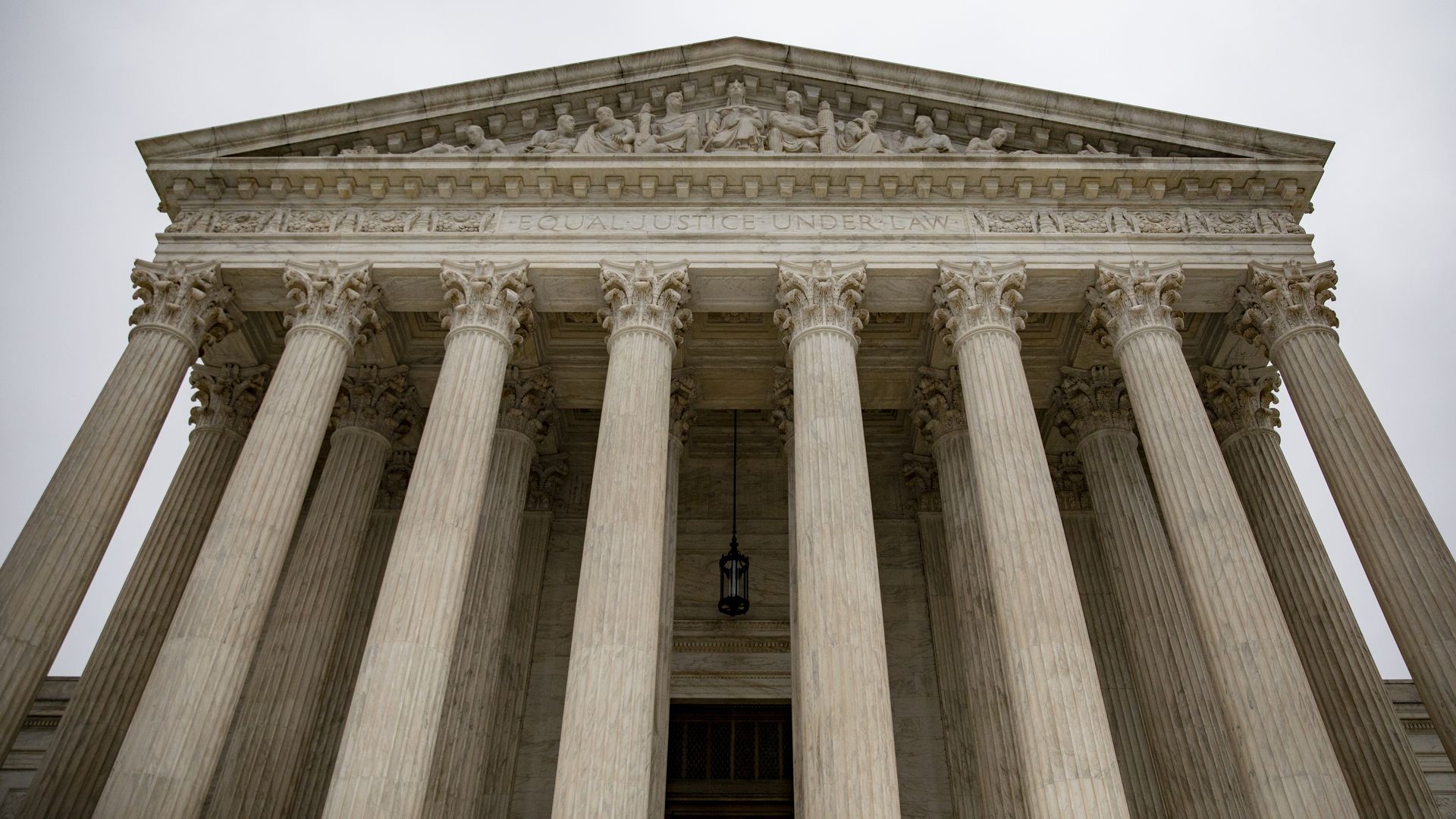
The Trump administration has consistently tried to get controversial cases in front of the Supreme Court as quickly as possible — but not when that might have meant striking down the entire Affordable Care Act before the 2020 election.
Why it matters: Trump’s Justice Department has tried to leapfrog the traditional process far more than its predecessors did, and at least one Supreme Court justice seems to be worried that it’s affecting the court’s work.