The first U.S. case of the new coronavirus that's killed at least six people and caused illness in multiple countries has been confirmed in Washington state.
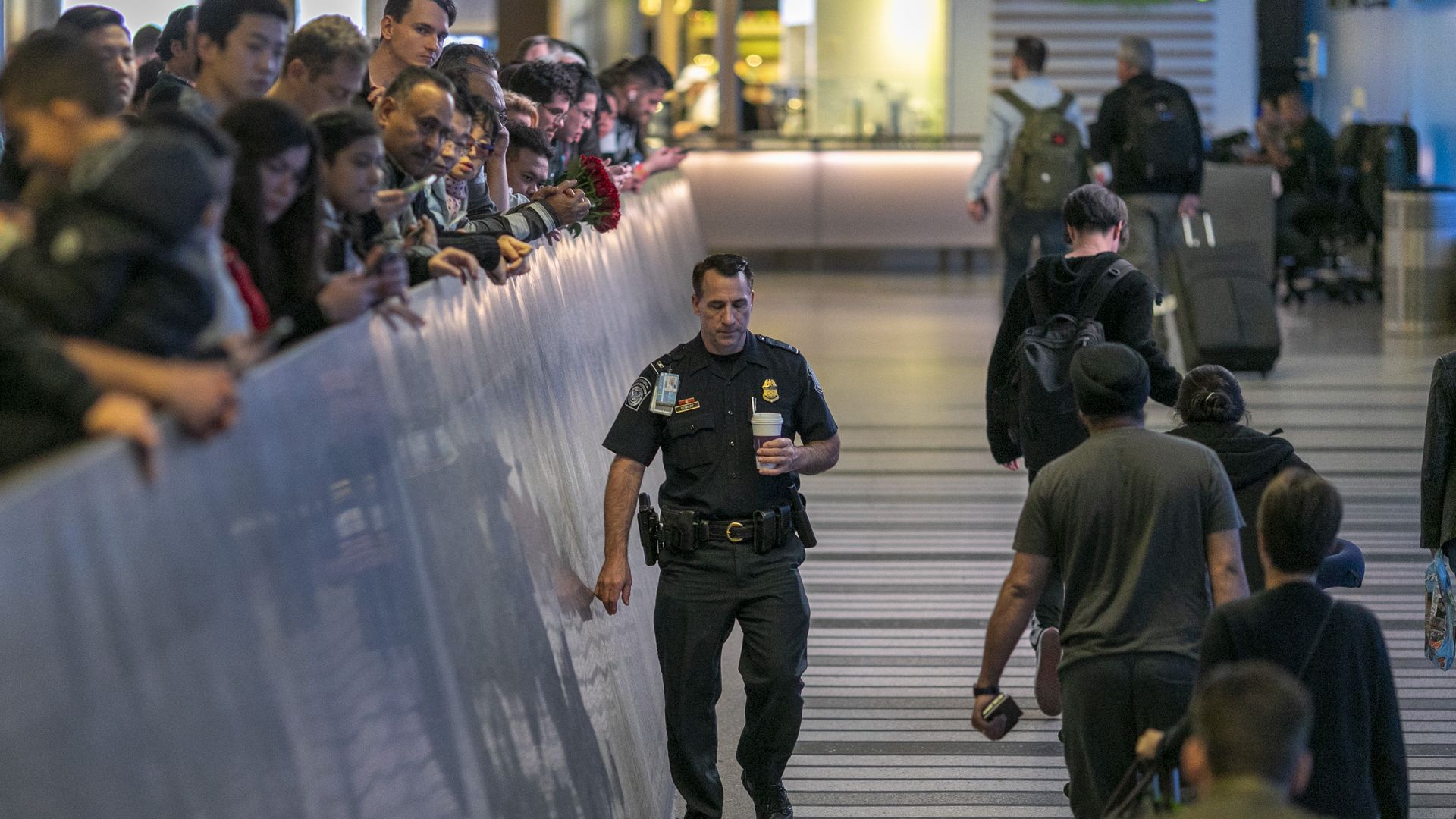
The latest: In an effort to stem the spread of the deadly virus in America, the Centers for Disease Control and Prevention is rolling out a "funneling" of flights directly or indirectly from Wuhan, China, to five specific airports where screenings will be done, adding Chicago and Atlanta to prior designated screening airports.
The Supreme Court said Monday that it won't speed up a lawsuit that aims to strike down the entire Affordable Care Act. The law's defenders had asked the high court to step in earlier than usual, but the justices opted to let the normal appeals process run its course instead.
Why it matters: This unsurprising move all but ensures that the court won't decide the ACA's fate until after the 2020 presidential election. If the justices ultimately do strike down all or part of the health care law, President Trump won't have to answer for the ensuing disruption during a campaign — and it could end up being his successor's mess to clean up.
A generic version of Copaxone, one of the most popular drugs to treat multiple sclerosis, didn't do much to lower costs for patients, NPR reports.
The big picture: MS drugs cost $70,000 a year, on average, and some prices have increased to five times what they were when the drugs were first approved by the FDA.
Government leaders need to implement a "decade of change" and invest more in the key health priorities and systems to prevent global health threats over the next decade, the World Health Organization warned last week.
What's new: Climate change, infectious diseases and epidemic threats, socioeconomic inequalities, and conflicts are some of the 13 urgent challenges WHO says will imperil global health — but addressing them is "within reach" if action is taken now.