Massachusetts Gov. Charlie Baker declared a statewide public health emergency on Tuesday and called for a 4-month ban on all vaping products, AP reports.
Why it matters: This is the farthest-reaching ban yet by any state, as it is the only restriction in the country that forbids all vaping products. Massachusetts' ban also goes beyond President Trump's proposal to pull all flavored e-cigarette cartridges from the market, leaving just the tobacco flavor, in an effort to discourage youth vaping.
While praising "real progress" in the fight against growing antimicrobial resistance, HHS Secretary Alex Azar challenged individuals and private and public organizations around the world to renew efforts to end the "scourge of AMR" while speaking Monday at the UN General Assembly.
Why it matters: At least 23,000 Americans and 700,000 people globally die every year from AMR infections — but this number is believed to be on the low end. A recent UN report warned that AMR could kill up to 10 million people worldwide per year by 2050 if action isn't taken.
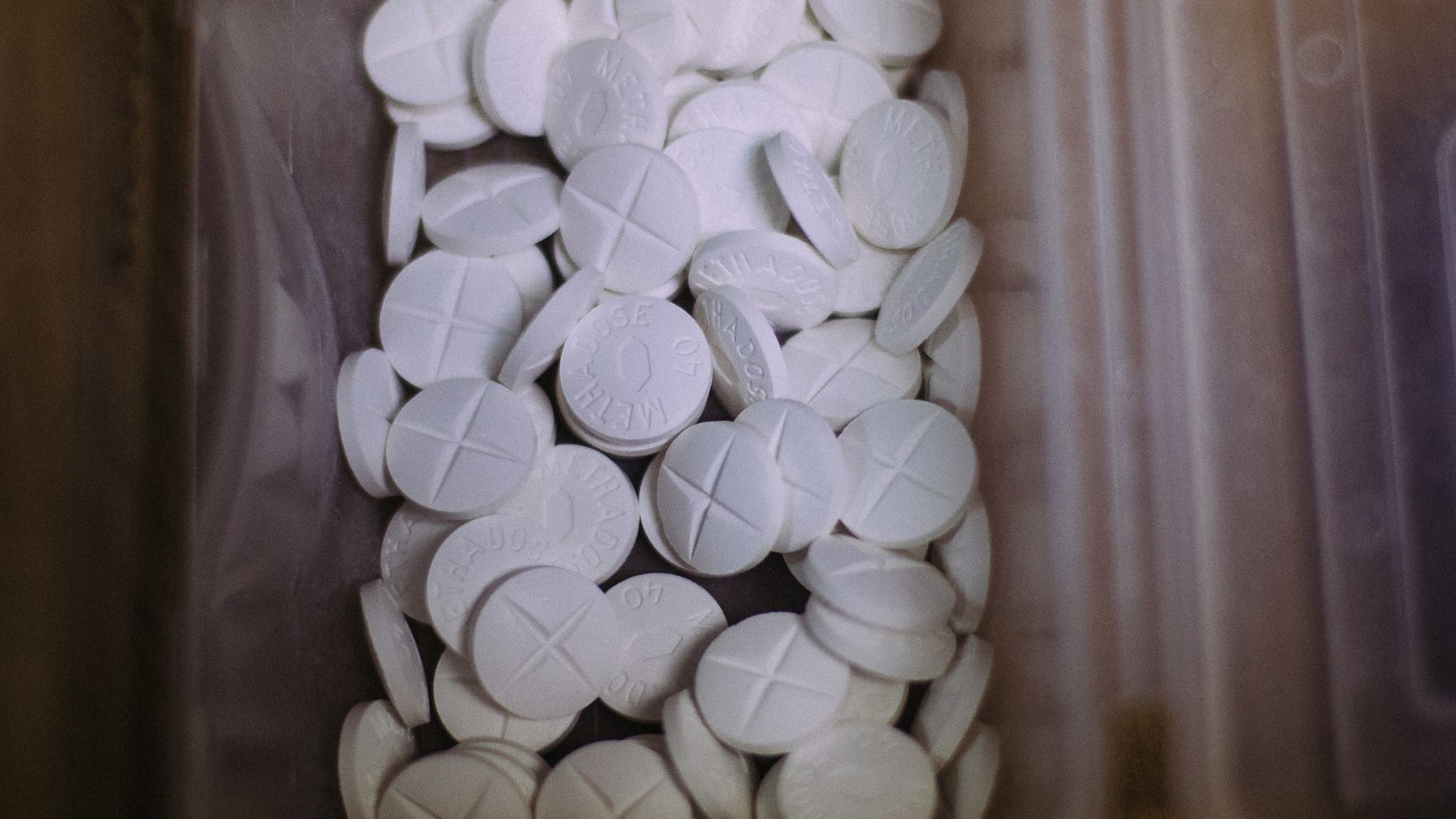
As the opioid epidemic rages on, methadone — 1 of 3 approved medications to treat opioid use disorder — can be hard to come by, according to a new article in Health Affairs.
Why it matters: Although it's effective, it's heavily regulated and can only be obtained at opioid treatment programs. These are subject to strict federal, state and even local rules. But many communities don't have enough treatment programs to meet the demand for them.
Plans providing Medicare's prescription drug benefit are often slow to cover the first generic competition to a branded medication, according to a new white paper by the Association for Accessible Medicines, which represents generics.
Why it matters: Generics are our system's way of keeping drug prices in check. But this doesn't happen unless patients have access to them.
Americans would save a boatload if we paid the same prices as other wealthy countries pay for prescription drugs, a new analysis from the House Ways & Means Committee confirms.
Why it matters: This is why the industry is so staunchly opposed to both President Trump's and House Speaker Nancy Pelosi's plans to piggyback off of other countries' lower prices.
House Speaker Nancy Pelosi's release of her drug pricing plan last week means that both chambers of Congress are officially working to pass drug pricing legislation, with the White House closely monitoring.
Why it matters: For the time being, each chamber is moving ahead on their own version. Pelosi's was met with some trepidation by progressives, while Sen. Chuck Grassley has his work cut out to convince some of his Republican colleagues to support his bill.
The number of procedures taking place in outpatient surgery centers — where people go under the knife and return home the same day — is expected to rise from 23 million in 2018 to 27 million in 2021, according to estimates from consulting firm Bain & Co.
Why it matters: Surgeries in freestanding centers cost less than those that happen in hospital outpatient departments, which is why many insurers and policymakers are pushing for this shift.
Sen. Bernie Sanders released his 2020 plan to cancel $81 billion in existing medical debt, reform collections practices and change bankruptcy rules this weekend.
Why it matters: The proposal speaks directly to the issues of surprise medical bills and hospitals' lawsuits against patients — issues that have only recently entered the political lexicon.
The Democratic Republic of the Congo has decided to allow a second Ebola vaccine to be distributed to certain areas of its country — a move that the World Health Organization praised as a key tool to halting further expansion of the deadly virus.
Why it matters: The DRC initially resisted some of the recommendations from the WHO, including one to approve testing another experimental vaccine. But DRC's new leader of the Ebola response in the Ministry of Health is trying new activities to halt the outbreak, which as of Sept. 19 killed about 2,111 people and infected roughly 3,157 people (in both probable and confirmed infections).