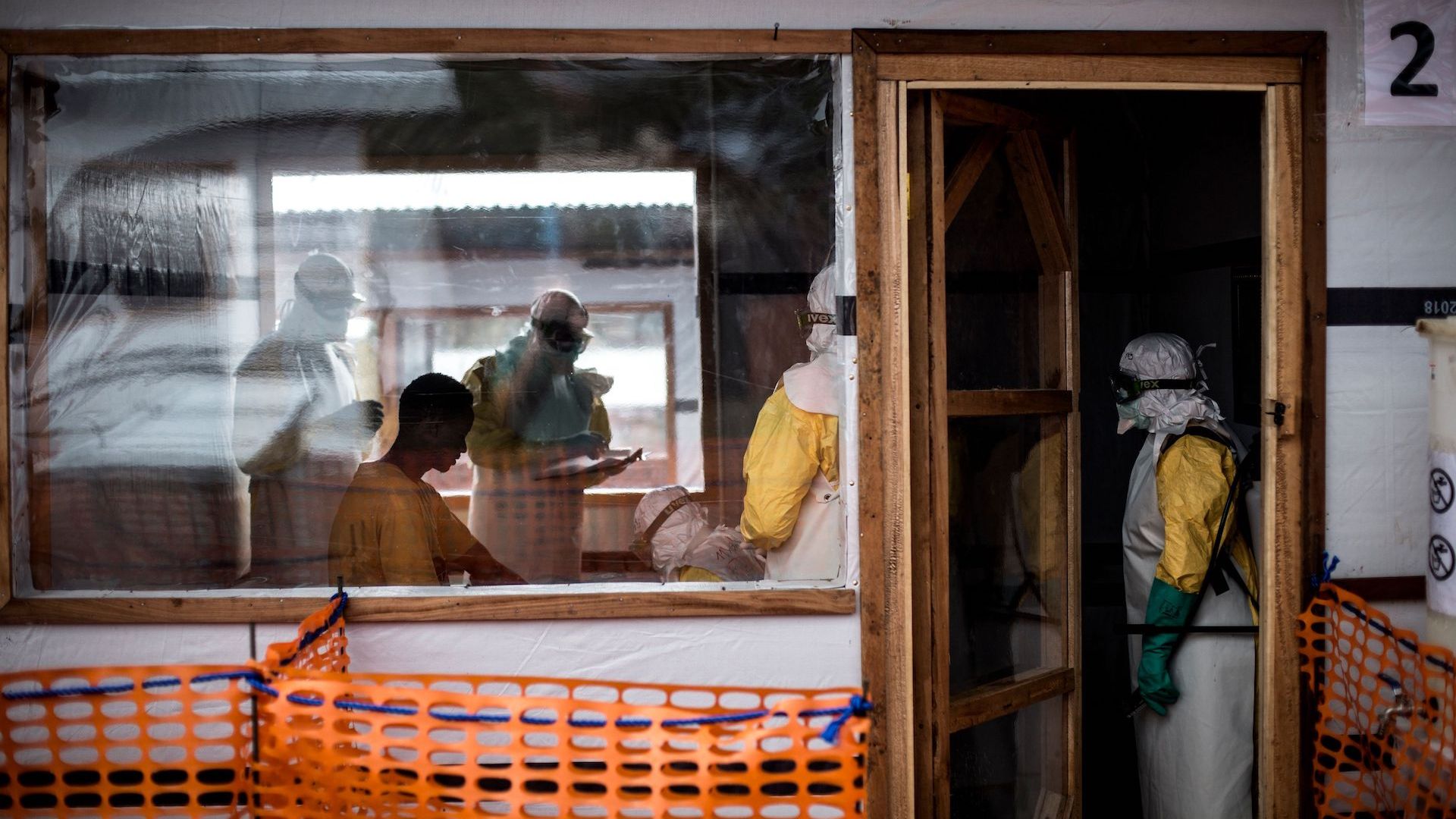
Uganda has recorded three cases of the Ebola virus disease, signaling that the outbreak in the neighboring Democratic Republic of the Congo that began last August has spread.
The latest: The country's first case — a 5-year-old child who traveled from the DRC to Uganda on June 9 — died Wednesday, Uganda's health minister announced.
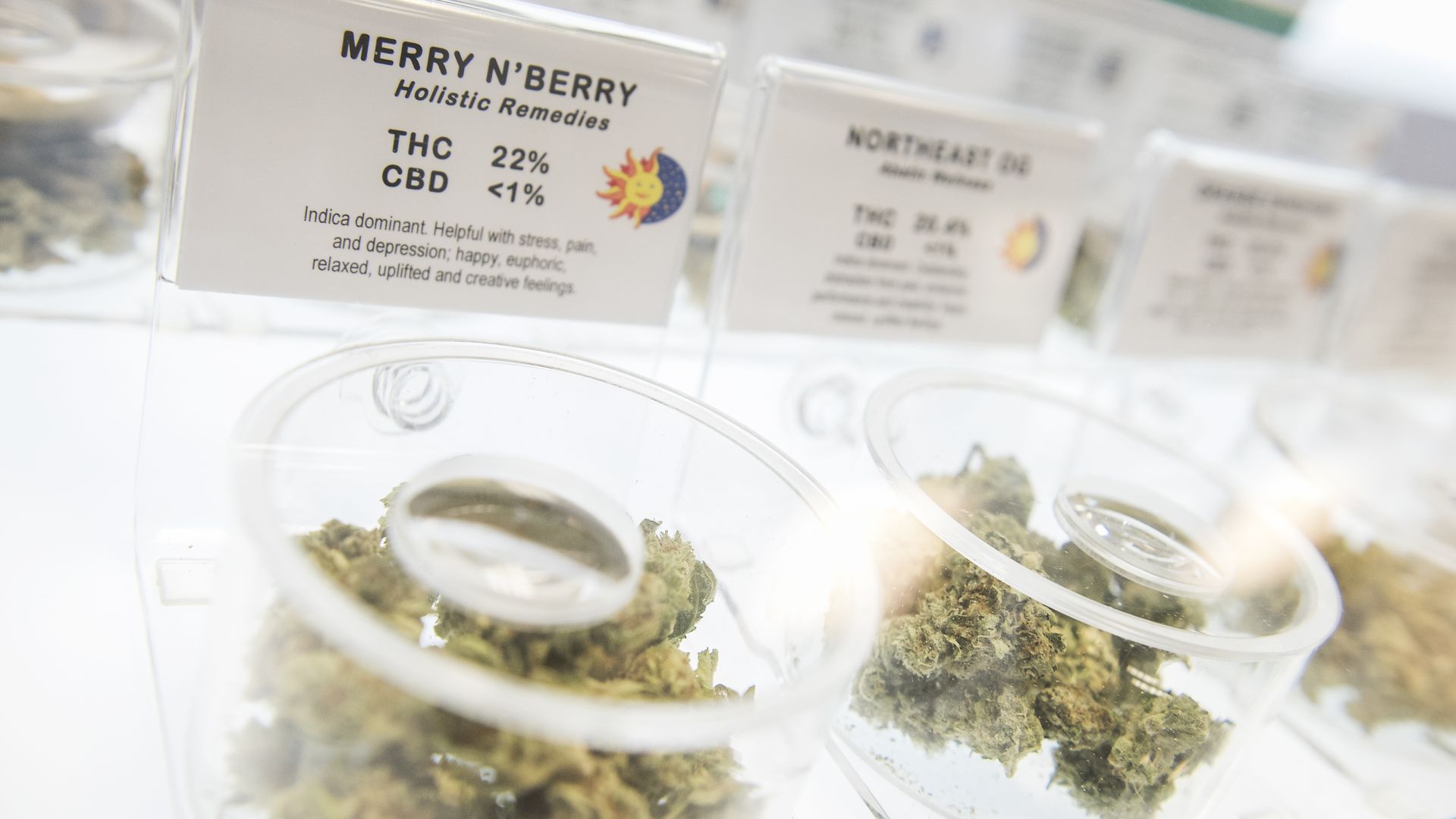
States that have legalized medical marijuana have seen more opioid overdose deaths, according to a new study reported on by Vox — the opposite of what a 2014 study found.
The state of play: The previous study suggested that when people could use cannabis to treat pain instead of opioids, it led to less overdoses. It was embraced by some state lawmakers. However, the researchers who conducted the latest study say that there's probably no relationship between state marijuana laws and opioid deaths.
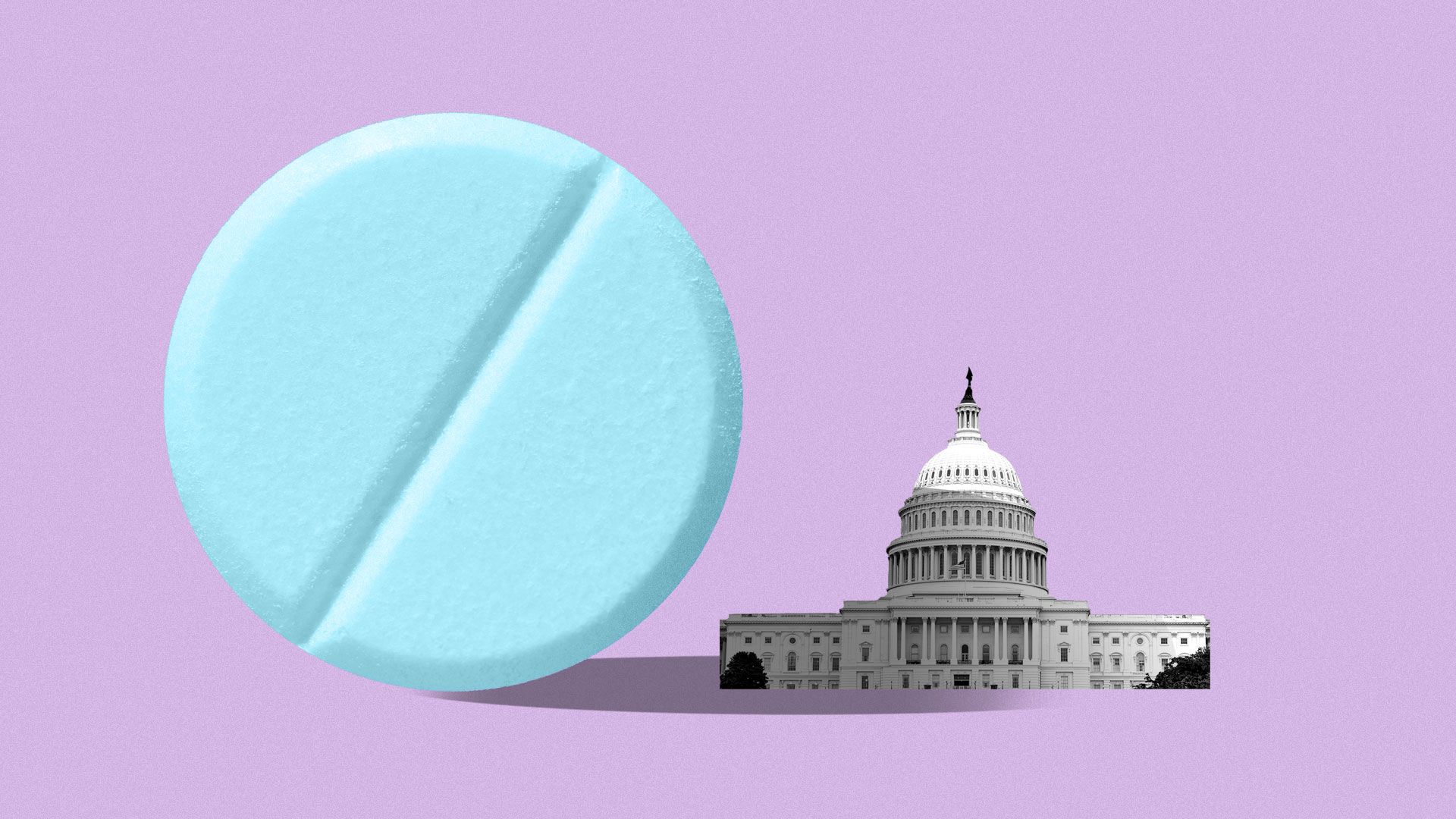
Senate Finance Committee Chairman Chuck Grassley said last week that he is interested in restructuring Medicare's prescription drug benefit, including putting drug manufacturers on the hook for some of the costs accrued in the "catastrophic phase" of coverage.
By the numbers: A new analysis by the American Action Forum shows the winners and losers. Cheaper drugs would win, and more expensive drugs would end up paying more than they do now.
Congress isn't feeling much urgency to help the fledgling market for biosimilars.
Why it matters: Advocates say that they need lawmakers' help soon, or else drugmakers will see biosimilars as a lost cause and the system will lose its only check on the cost of biologics.
The FDA today starts its two-day meeting to hash out whether it should limit or even remove high-dose opioids from the market.
The big picture: The Centers for Disease Control and Prevention says "higher dosages of opioids are associated with higher risk of overdose and death," and people really shouldn't take painkillers that exceed a certain limit.
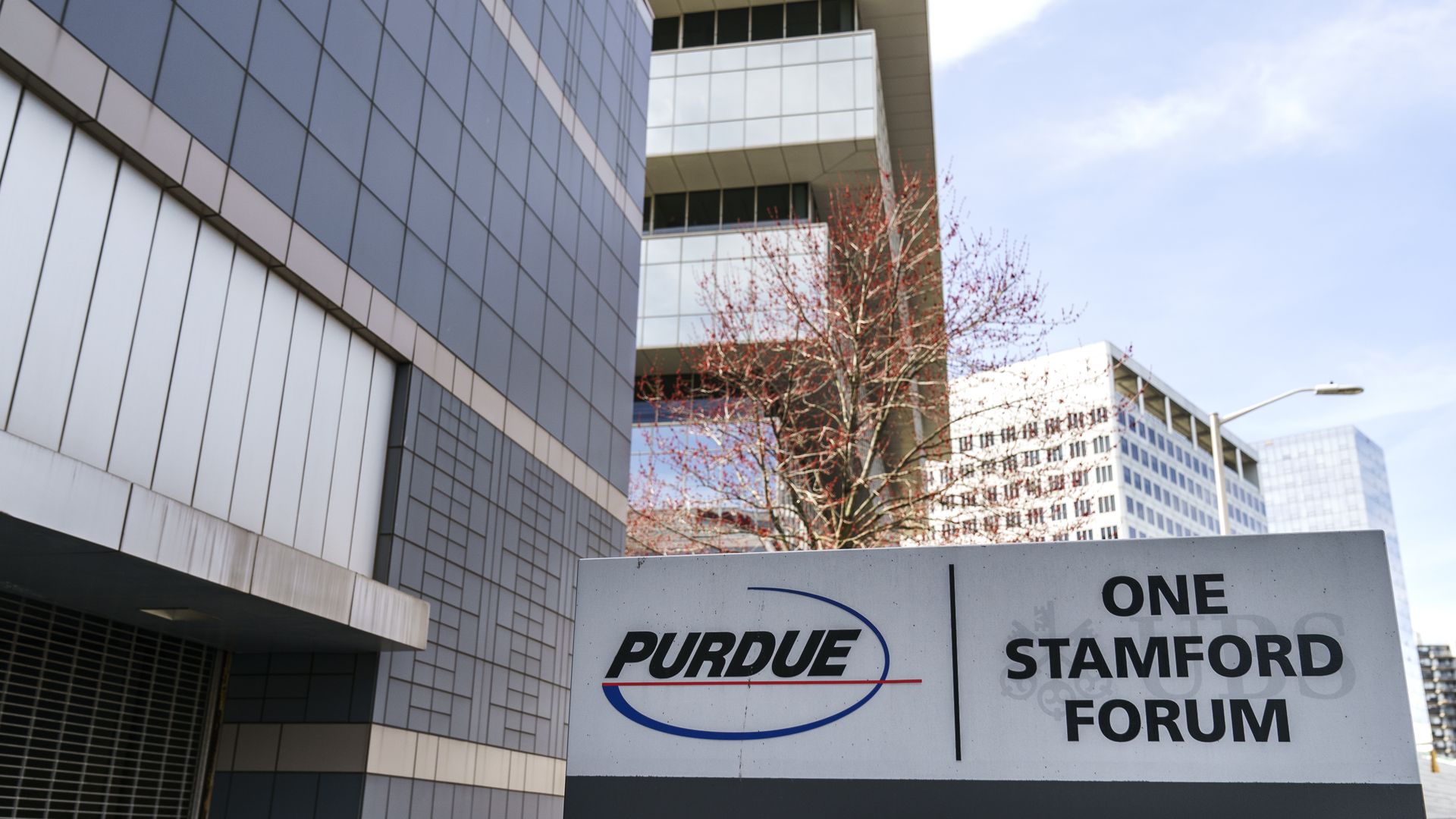
A small yet influential group called Researched Abuse, Diversion and Addiction-Related Surveillance, or RADARS, monitors how opioids are misused across the nation. It also accepts money from the companies that make those opioids.
Why it matters: Health care experts view RADARS as a credible, independent resource, but its ties to the pharmaceutical industry raise questions about how the group operates.