The FDA today starts its two-day meeting to hash out whether it should limit or even remove high-dose opioids from the market.
The big picture: The Centers for Disease Control and Prevention says "higher dosages of opioids are associated with higher risk of overdose and death," and people really shouldn't take painkillers that exceed a certain limit.
A small yet influential group called Researched Abuse, Diversion and Addiction-Related Surveillance, or RADARS, monitors how opioids are misused across the nation. It also accepts money from the companies that make those opioids.
Why it matters: Health care experts view RADARS as a credible, independent resource, but its ties to the pharmaceutical industry raise questions about how the group operates.
Opioid manufacturer Insys has filed for bankruptcy — which means it will only pay out a portion of its recent $225 million settlement with the federal government, the Wall Street Journal notes.
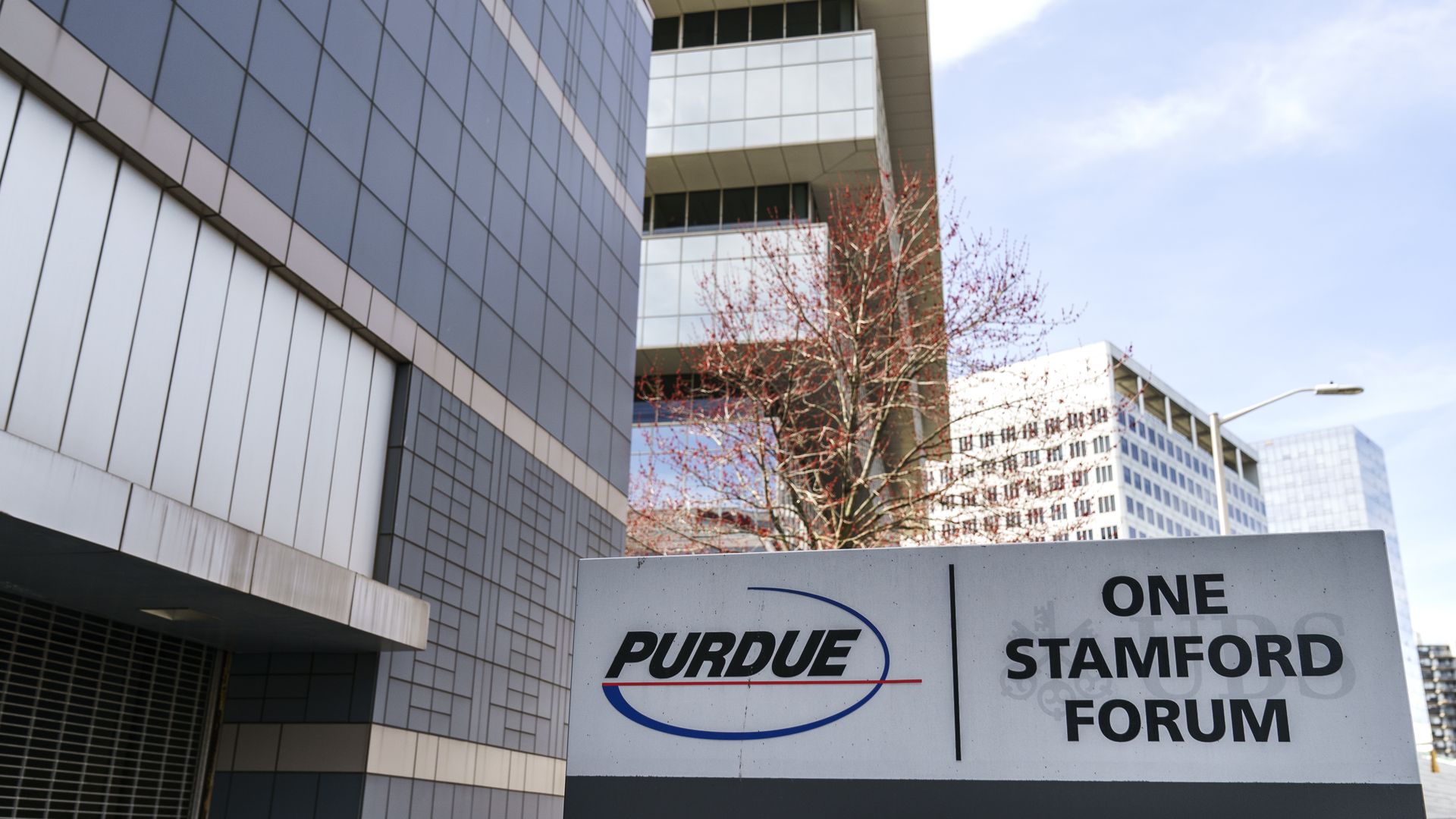
Why it matters: Insys executives have been found guilty of bribing doctors to prescribe its painkiller, Subsys, and the legal fallout has now forced the company into bankruptcy. And it's just the tip of the iceberg: State officials still have their sights set on big drug distributors and other manufacturers — most notably Purdue Pharma.
Although most large business groups strongly oppose Medicare for All, the opinions of some members of the business community — especially small employers — may be changing, Kaiser Health News reports.
Details: The Business Alliance for a Healthy California, which has tried to garner business support for a universal health care program in the state, has attracted almost 300 mostly small employers.
Why it matters: One of the bluest states in the nation's measured steps toward universal health coverage show the uphill battle liberals face in their push for Medicare for All.