Since 1987, health care companies have paid almost $39 billion to the Department of Justice to settle various allegations of fraud. The amounts have increased steadily over time, and the vast majority of settlements come from whistleblower cases, where employees inside health care companies report alleged wrongdoing and get a cut of the deal.
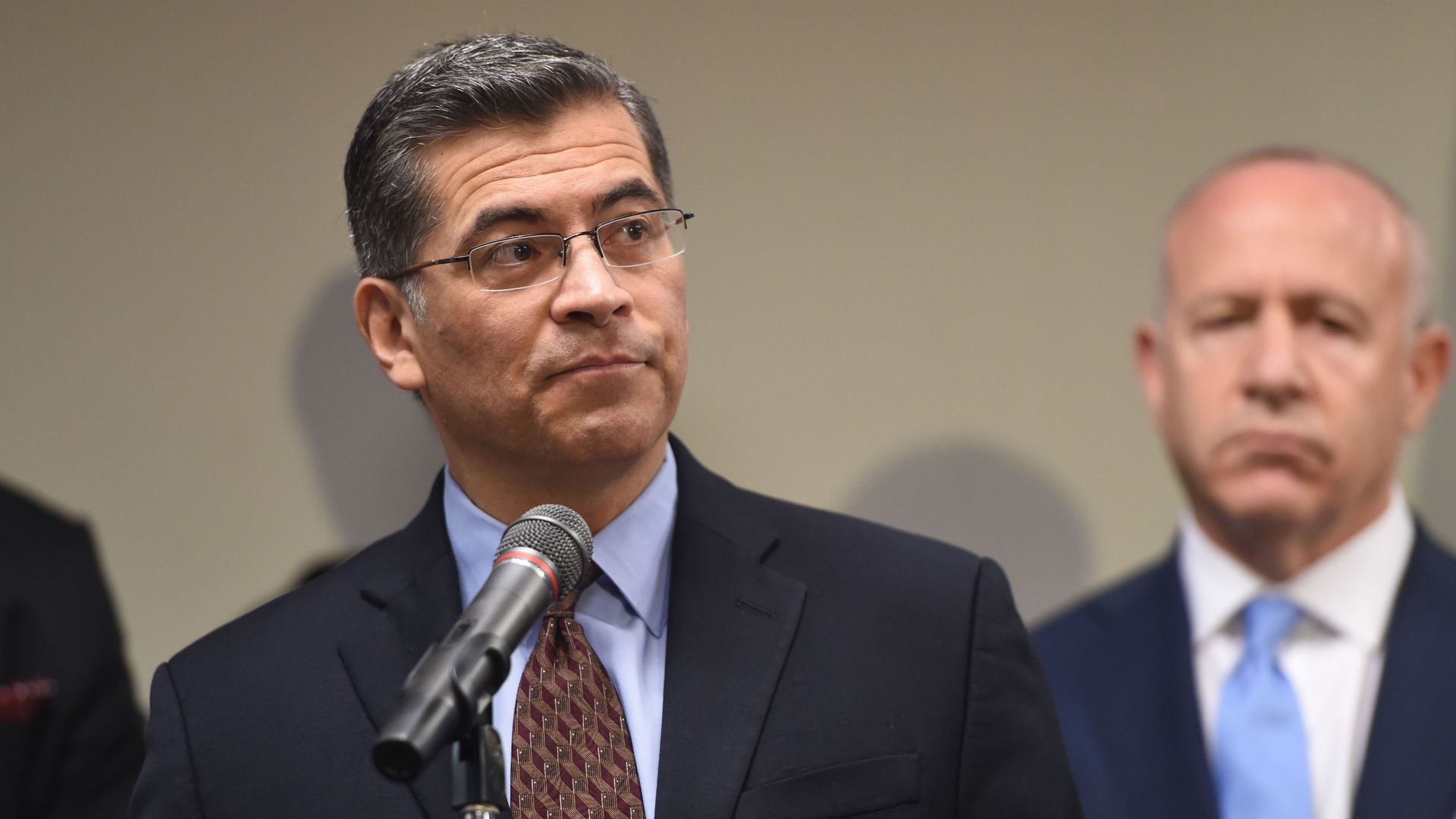
A group of Democratic attorneys general, led by California Attorney General Xavier Becerra, moved today to appeal last month's district court decision striking down the Affordable Care Act.
What we're watching: The case now moves to the Fifth Circuit Court of Appeals, where many legal experts — who have always thought the case against the law was weak — say the decision could easily get overturned. The health care law remains in effect during the appeal.
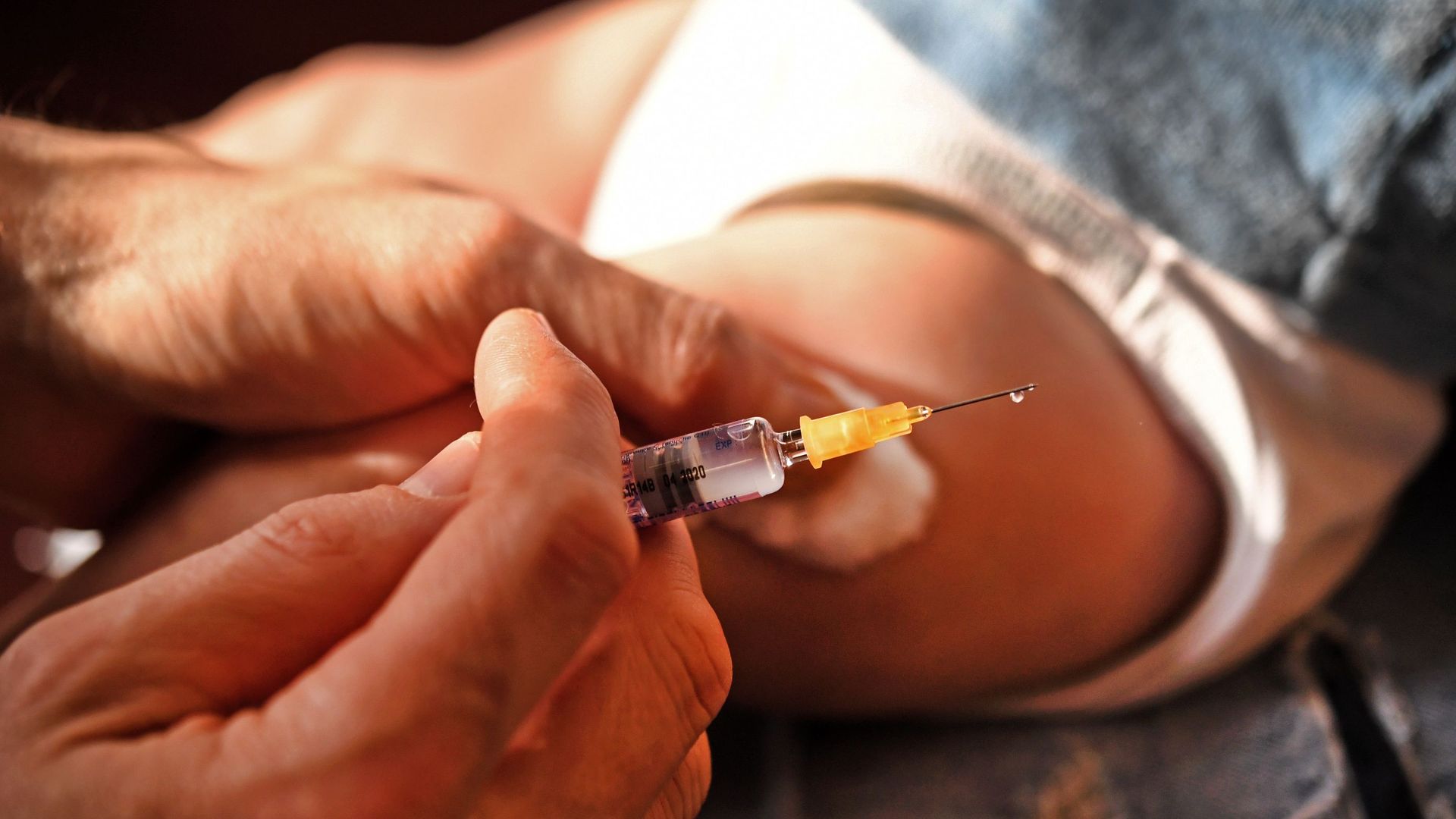
Vaccine coverage continued to decline in parts of the developed world last year, resulting in 60,000 measles cases in Europe — the most this century — and a record number of pediatric flu deaths in the U.S. In several Western U.S. counties, up to 30% of children have not received their full vaccine schedule — a trend that's been worsening since 2009.
The big picture: This drop-off in vaccinations owes primarily to parental exemptions for non-medical reasons, typically because of false beliefs that vaccines cause autism or illness. There are signs the anti-vaccine movement's misinformation campaigns will strengthen in 2019, leading to further declines in vaccine coverage and possibly more outbreaks of infectious disease.
Bristol-Myers Squibb is acquiring Celgene in a stock-and-cash deal worth $74 billion, creating a pharmaceutical giant with roughly $37 billion in annual drug sales.
Why it matters: This is one of the largest drug company buyouts ever, combining two firms that are making a lot of money. However, Celgene has struggled to evolve over the past few years as its top product, the blood cancer drug Revlimid, loses patent protection — which has spurred a sell-off in Bristol-Myers' stock.
A handful of pharmaceutical companies raised the prices of their drugs, effective Jan. 1, according to the Wall Street Journal and reports from pharmaceutical industry analysts.
The bottom line: This was expected, and the drug price increases will continue. Drug companies are following through on decisions that prioritize earnings over politics.