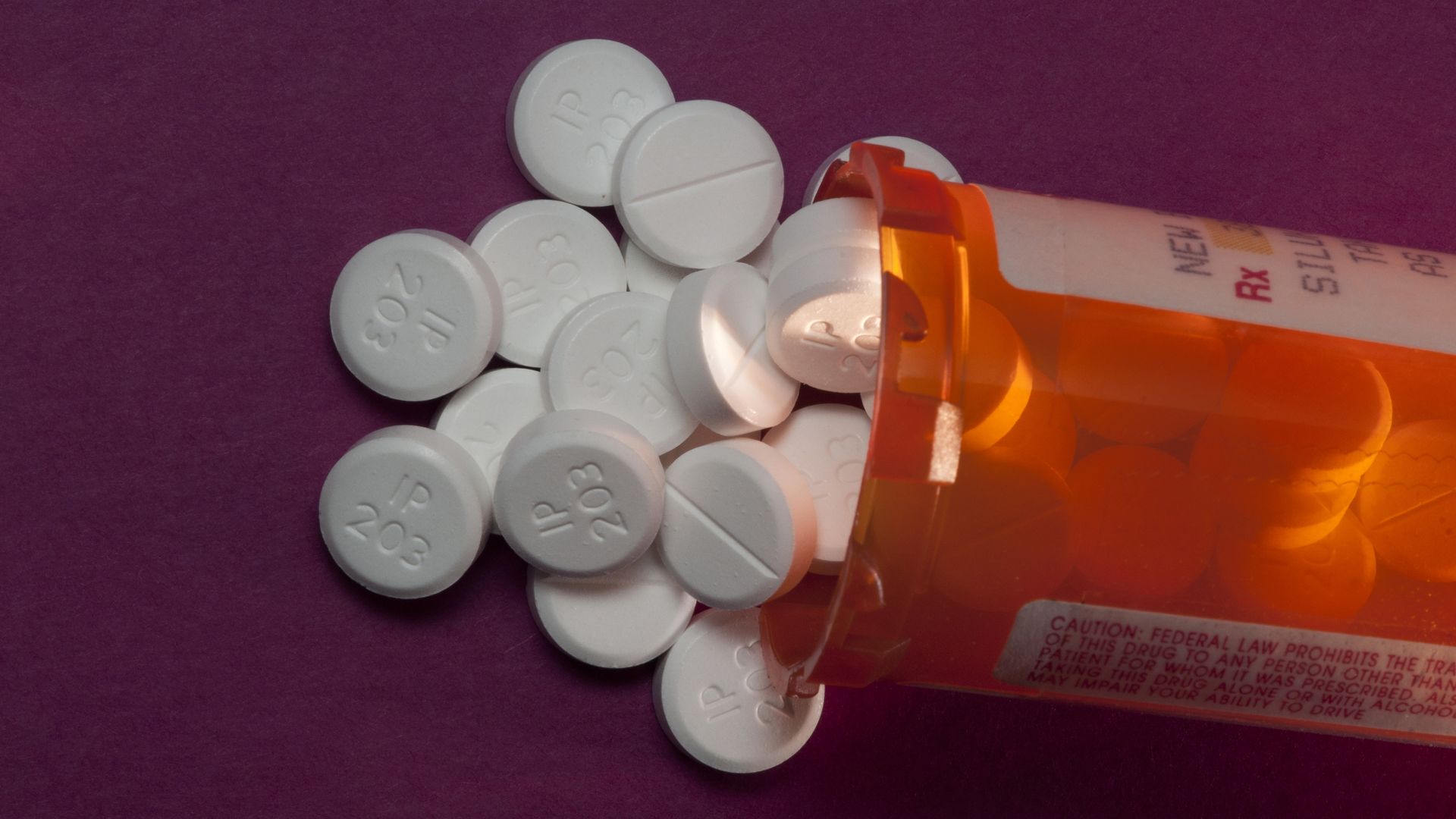
A team of scientists say they may have developed a new compound that kills pain similarly to opioids while muting the addictive components, according to a new study of animal models in Science Translational Medicine published Wednesday.
Why it matters: From 1999 to 2016, more than 200,000 Americans died from overdoses related to prescription opioids — a five-fold increase during that period. Yet, these drugs remain the most effective options for treating many cases of acute or chronic pain. Several of the authors are employees of Astraea Therapeutics, which is developing the potential drug.
The Centers for Disease Control and Prevention is out with its latest health insurance coverage data this morning, and the nation's uninsured rate isn't really changing a whole lot.
By the numbers: As of March 2018, 8.8% of all Americans, or about 28.3 million people, had no health insurance.
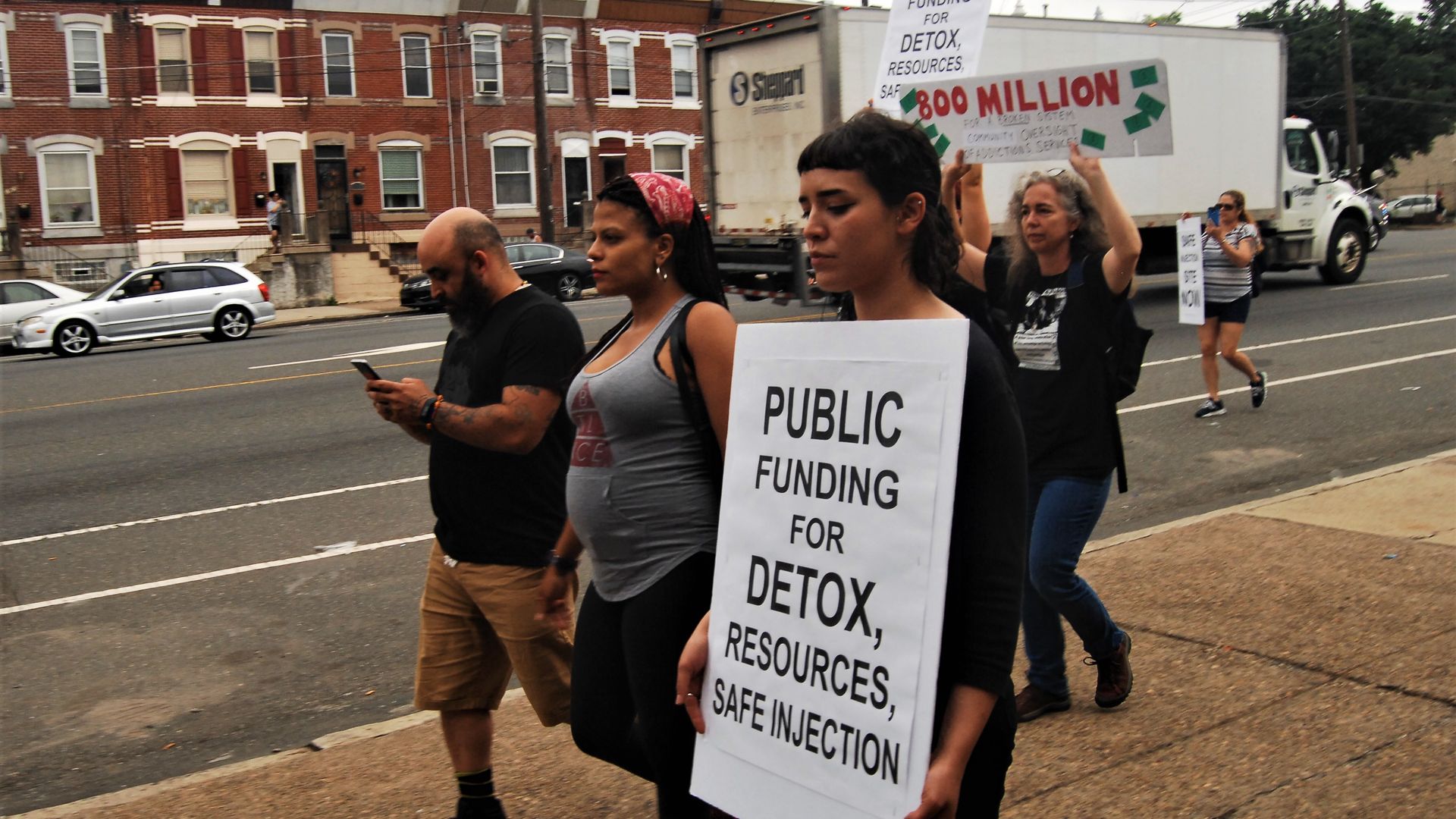
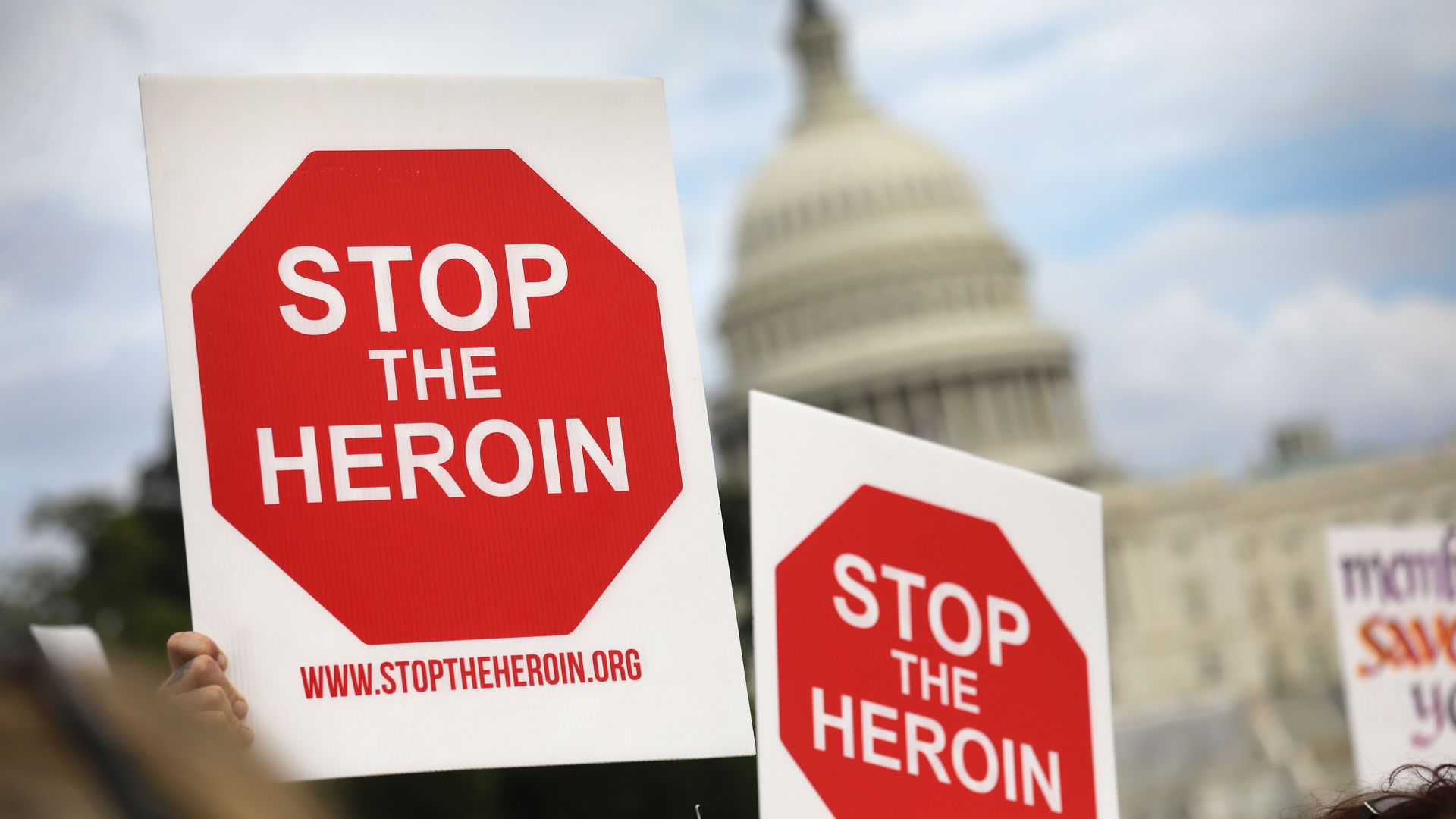
The Senate's opioids bill is inching closer to coming together, advancing the congressional effort to address the epidemic that is rapidly changing from being a prescription problem to an illegal drug problem.
Driving the news: Opioid prescriptions decreased 16% in the first half of 2018 compared to the same period in 2017, according to a new Food and Drug Administration analysis.
Top public health officials today warned that sexually transmitted diseases continue to rise sharply — hitting a new U.S. record of nearly 2.3 million cases of chlamydia, gonorrhea and syphilis diagnosed in 2017, per preliminary Centers for Disease Control and Prevention data. The increase is attributed in part to a lack of federal funding for state public health programs, an increase in drug abuse, and socioeconomic problems.
Threat level: The CDC also says there are worrying indications that the current dual therapy antibiotic regime for gonorrhea could become ineffective if resistance, which has been rising in lab testing and reported in other countries, continues.
New research in JAMA Network Open finds the Affordable Care Act's expansion of Medicaid to more low-income people did not significantly change painkiller prescriptions, and may have increased access to a drug that helps with opioid addiction.
The bottom line: Medicaid expansion is still not the cause of the opioid crisis.