The bully pulpit is not, in fact, putting much of a dent in drug prices. But it's at least providing an illusion of lower prices.
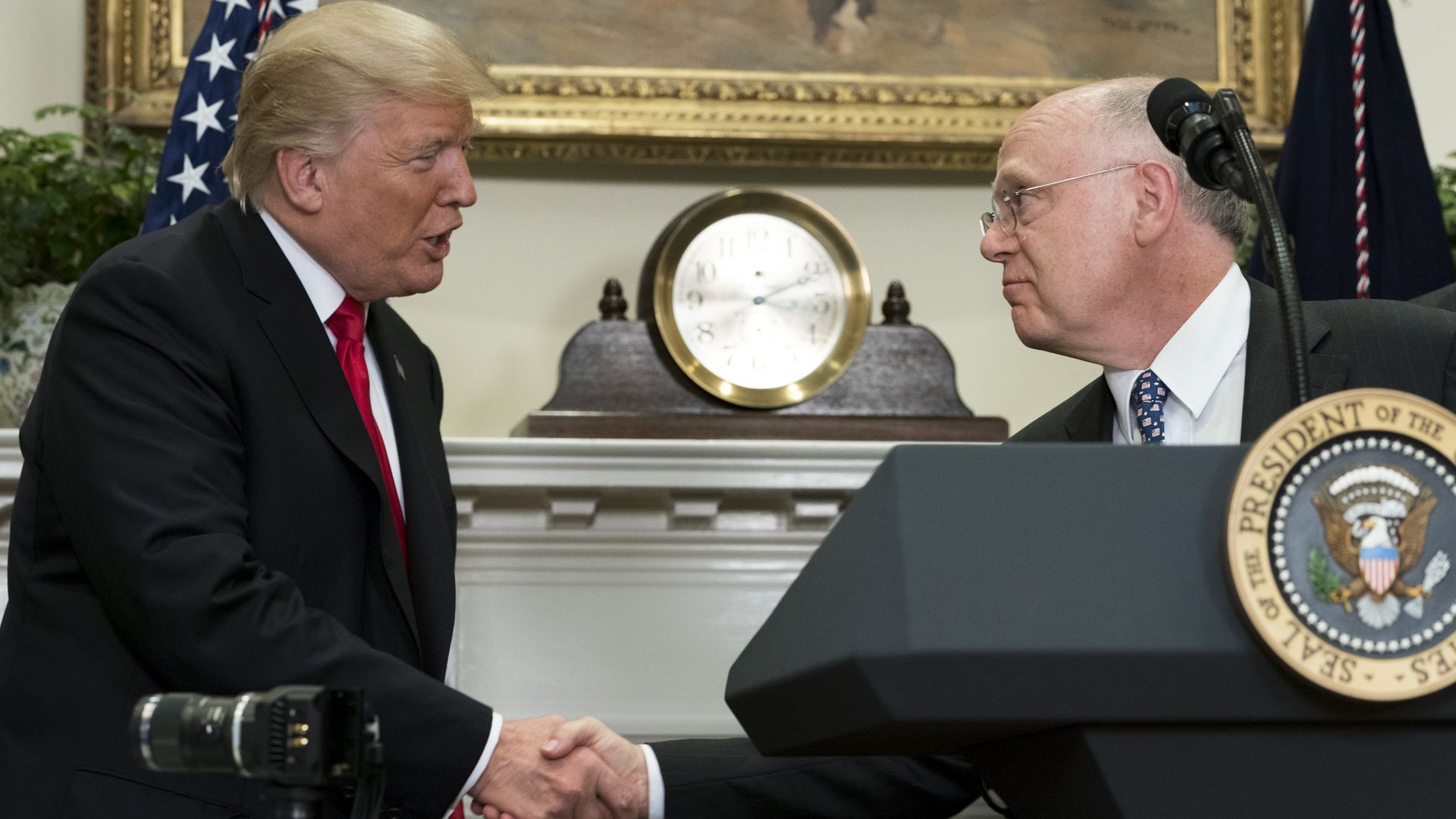
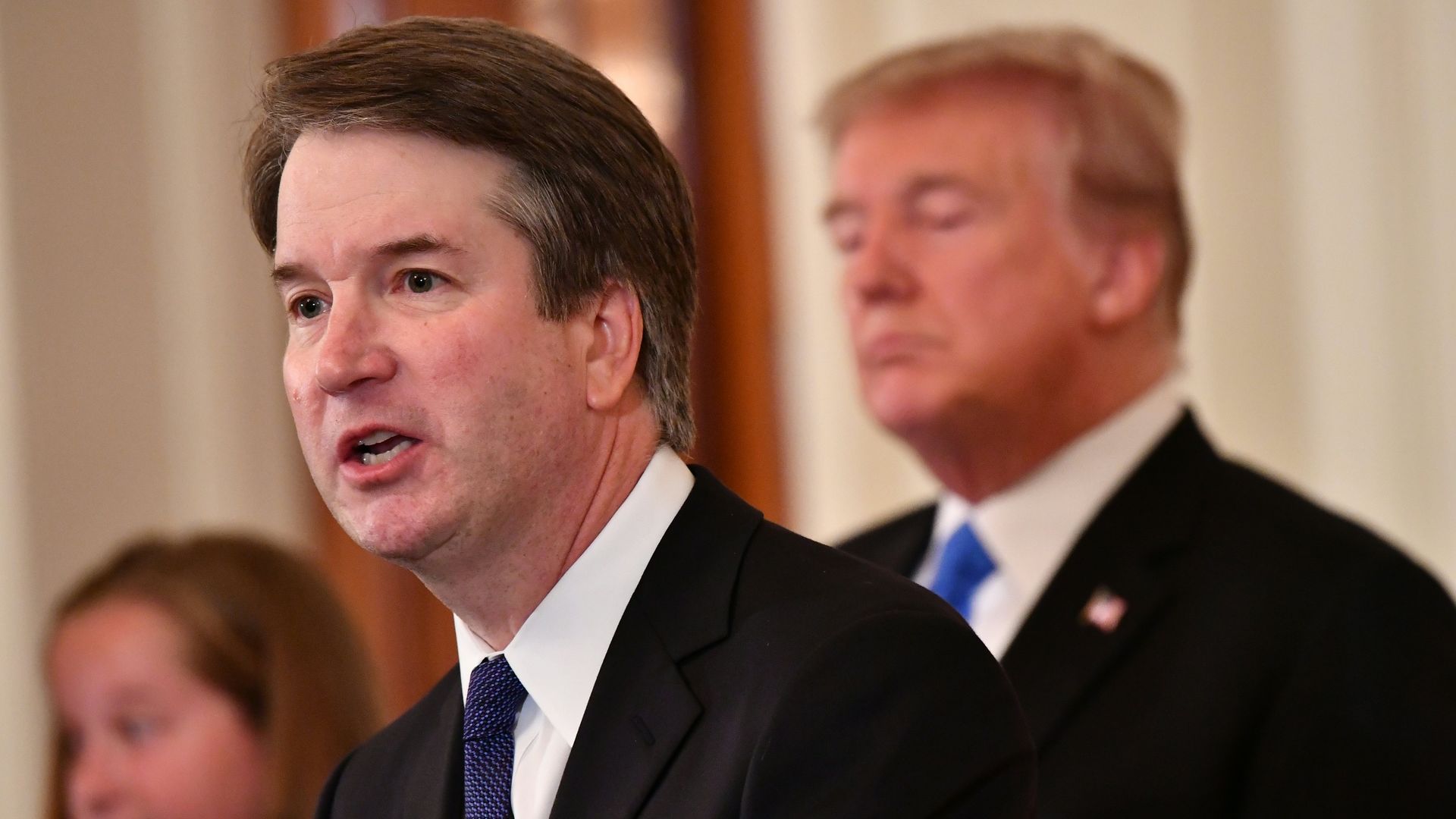
The intrigue: Pfizer said yesterday that after "an extensive conversation with President Trump," it would "defer" the price increases it imposed on July 1, "to give the president an opportunity to work on his blueprint."
Democrats are putting the Affordable Care Act front and center in their campaign against Supreme Court nominee Brett Kavanaugh, hoping the same coalition that helped defeat last year's ACA repeal bills can also sink a Supreme Court pick.
The catch: It's definitely possible that a Justice Kavanaugh would be able to cast the deciding vote to strike down protections for pre-existing conditions. But a lot of stars would have to align to get there.
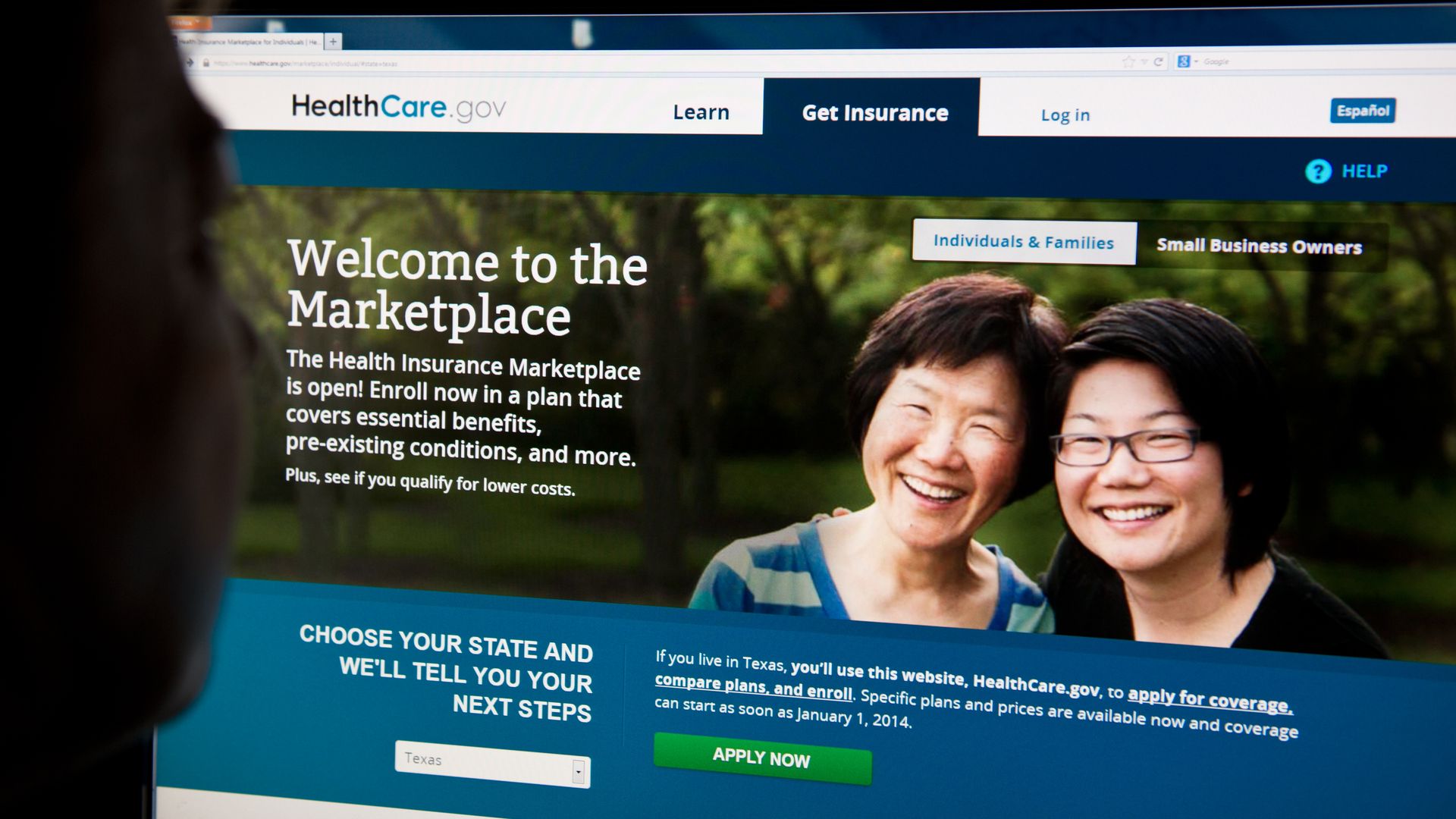
The Trump administration said Tuesday it will cut funds to local nonprofit groups that help people get insurance under the Affordable Care Act, per the New York Times.
Why it matters: This marks the second round of the cuts since Trump took office, as the administration moves to weaken the healthcare law — one of President Obama’s signature achievements. The administration will cut funds from $36.8 million to $10 million when the next enrollment period begins in November.
Pharmaceutical companies have raised the prices of 43 generic drugs by at least 10% so far in the first half of 2018, according to an analysis from the investment bank Barclays. About half of those drugs are injectable generics used in hospitals, like vancomycin hydrochloride and heparin sodium.
The bottom line: Drug makers aren't just hiking prices on brand-name products. The increases are pretty much across the board and include generics that have been around for decades.
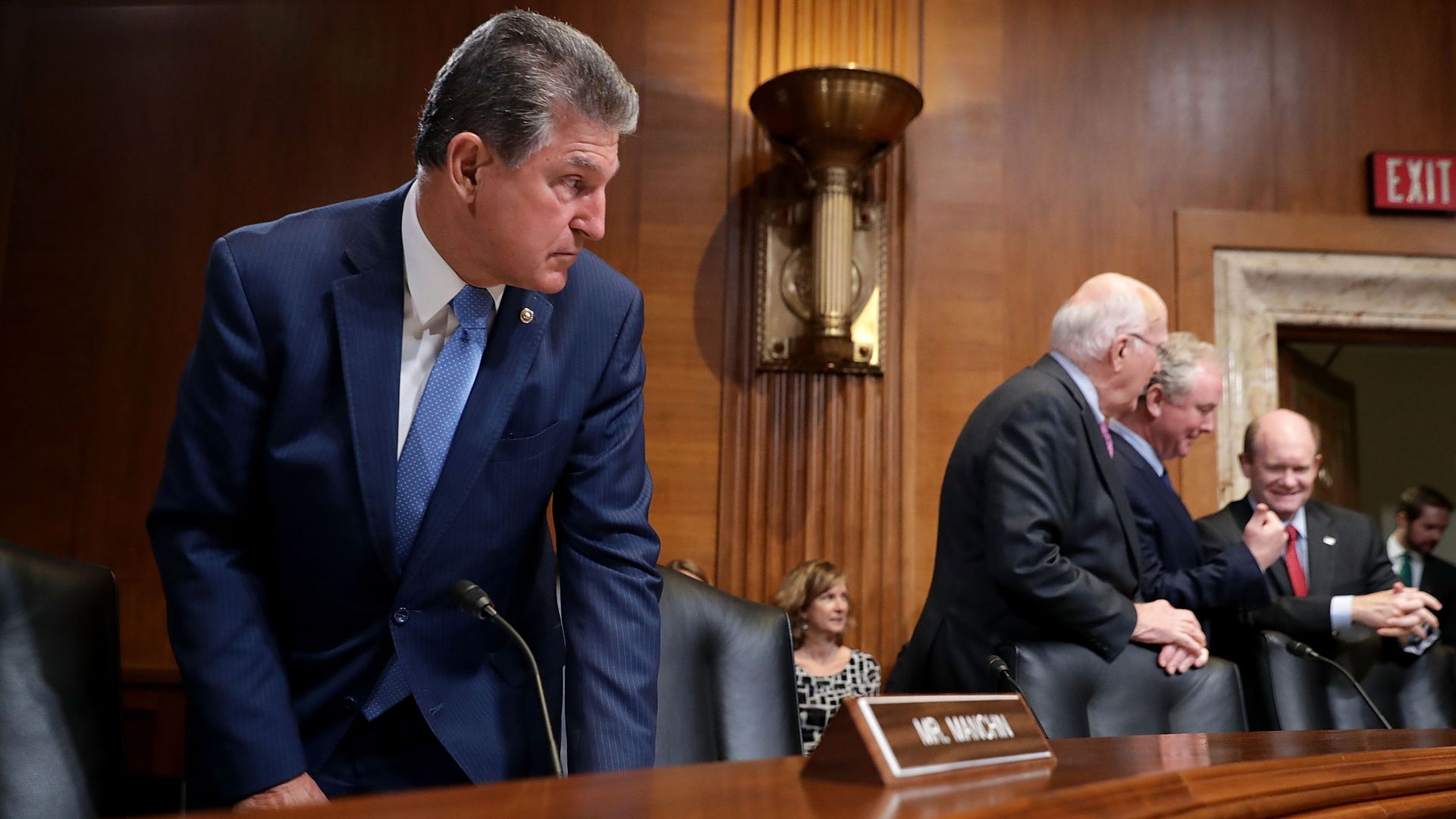
Now that President Trump has nominated Judge Brett Kavanaugh to the Supreme Court, there are two specific health care cases you'll probably be hearing more about — from both Democrats warning that he'll overturn the Affordable Care Act and conservative hardliners who are afraid he won't.
Kavanaugh's most significantACA-related decision was in a case about the individual mandate. He did not, contrary to what some of his critics have implied, vote to uphold the mandate.
The Trump administration's decision to suspend the Affordable Care Act's risk adjustment program, which transfers money among health insurers, could inevitably create winners and losers in the law's marketplace.
By the numbers: Nine health insurance companies, many of which are Blue Cross and Blue Shield affiliates, each are owed at least $100 million in risk adjustment payments from 2017. Five insurers each are supposed to pay at least $100 million into the program.