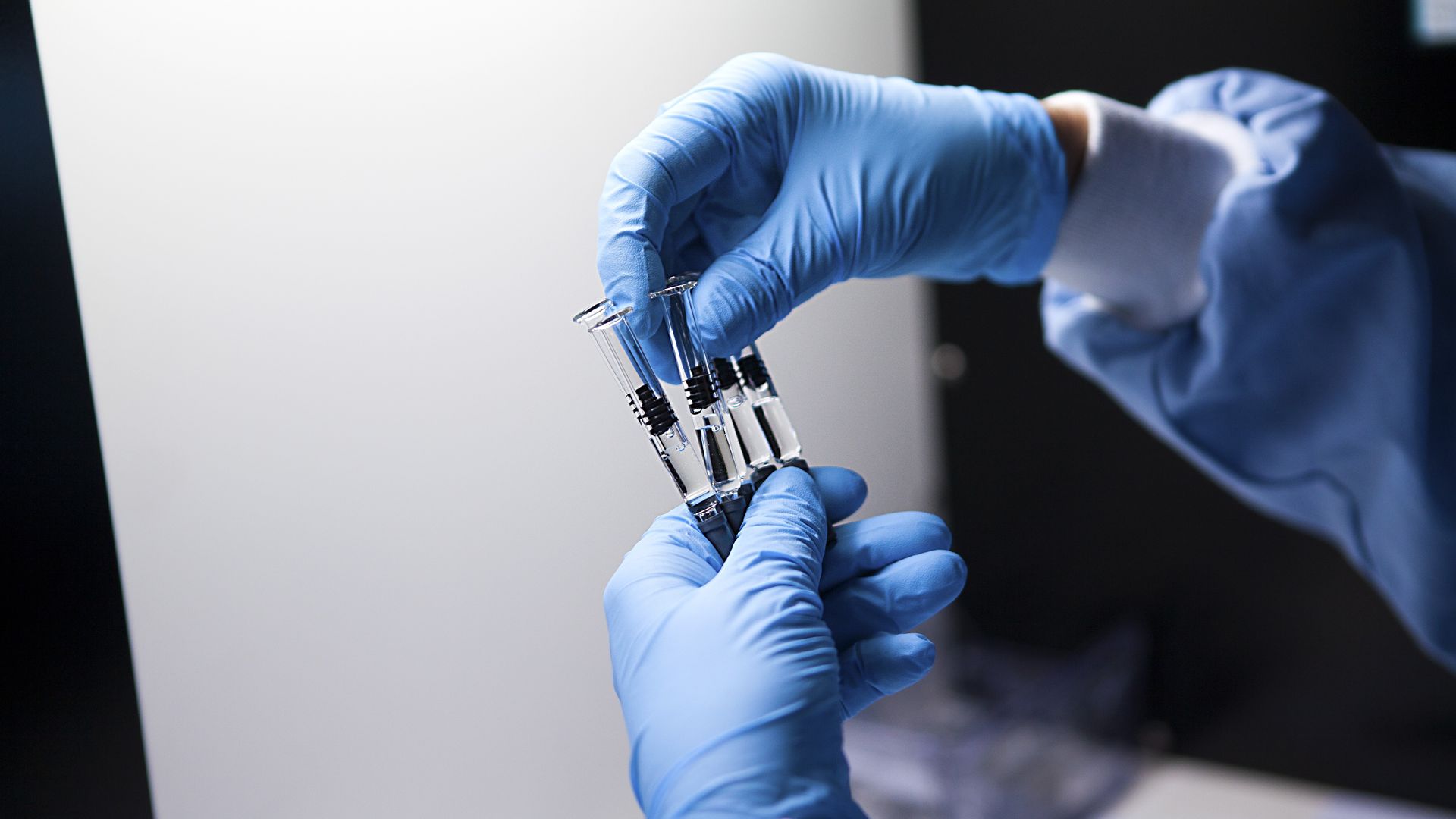
Pharmaceutical companies have raised the prices of 43 generic drugs by at least 10% so far in the first half of 2018, according to an analysis from the investment bank Barclays. About half of those drugs are injectable generics used in hospitals, like vancomycin hydrochloride and heparin sodium.
The bottom line: Drug makers aren't just hiking prices on brand-name products. The increases are pretty much across the board and include generics that have been around for decades.
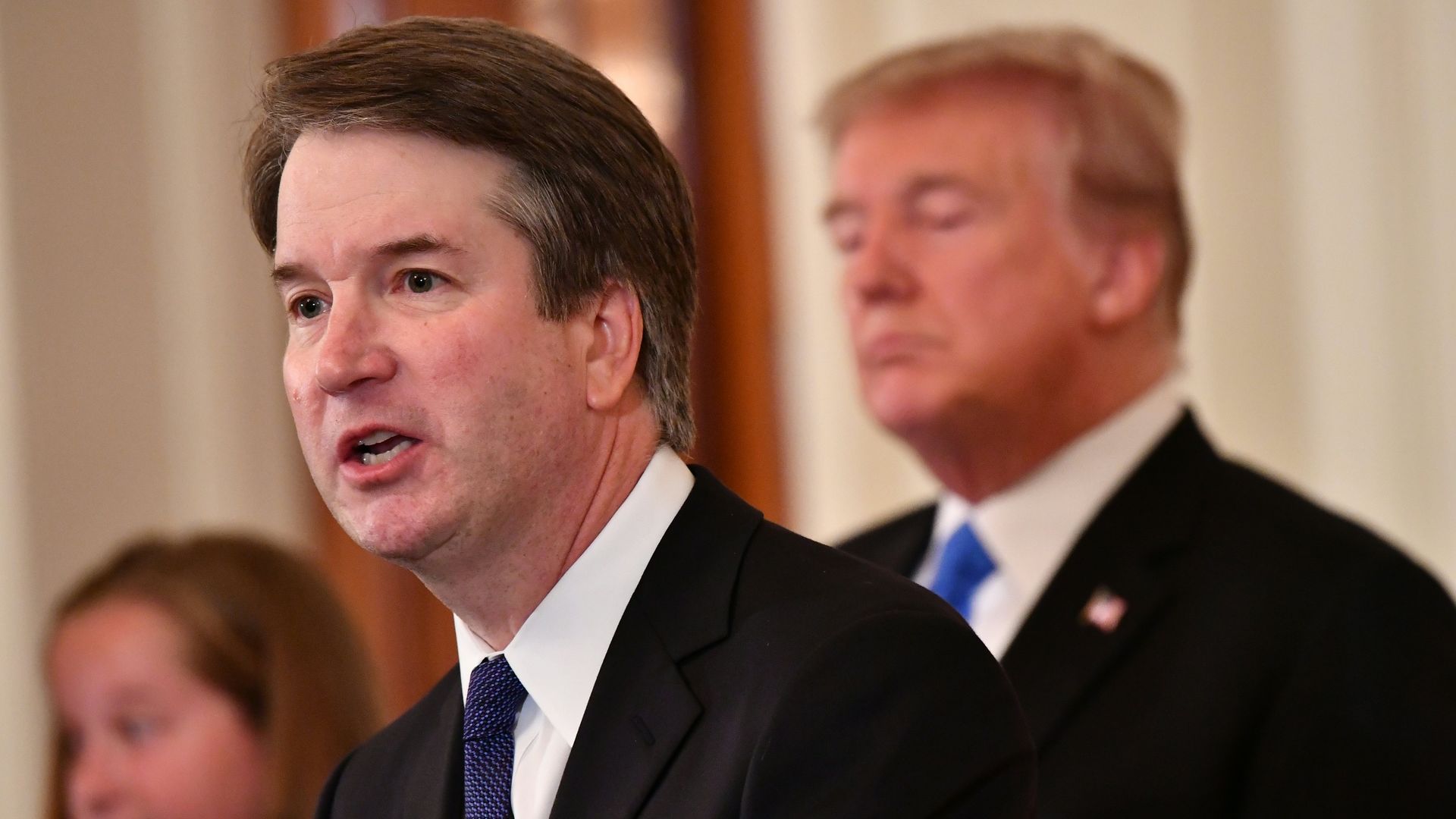
Now that President Trump has nominated Judge Brett Kavanaugh to the Supreme Court, there are two specific health care cases you'll probably be hearing more about — from both Democrats warning that he'll overturn the Affordable Care Act and conservative hardliners who are afraid he won't.
Kavanaugh's most significantACA-related decision was in a case about the individual mandate. He did not, contrary to what some of his critics have implied, vote to uphold the mandate.
The Trump administration's decision to suspend the Affordable Care Act's risk adjustment program, which transfers money among health insurers, could inevitably create winners and losers in the law's marketplace.
By the numbers: Nine health insurance companies, many of which are Blue Cross and Blue Shield affiliates, each are owed at least $100 million in risk adjustment payments from 2017. Five insurers each are supposed to pay at least $100 million into the program.
President Trump went after the pharmaceutical industry on Twitter Monday:
"Pfizer & others should be ashamed that they have raised drug prices for no reason. They are merely taking advantage of the poor & others unable to defend themselves, while at the same time giving bargain basement prices to other countries in Europe & elsewhere. We will respond!"
Be smart: This isn't the first time Trump has condemned drug companies for their pricing. But while the president has maintained this tough rhetoric, his recent plan to lower drug prices actually went easy on Big Pharma — and instead targeted other parts of the health care system.
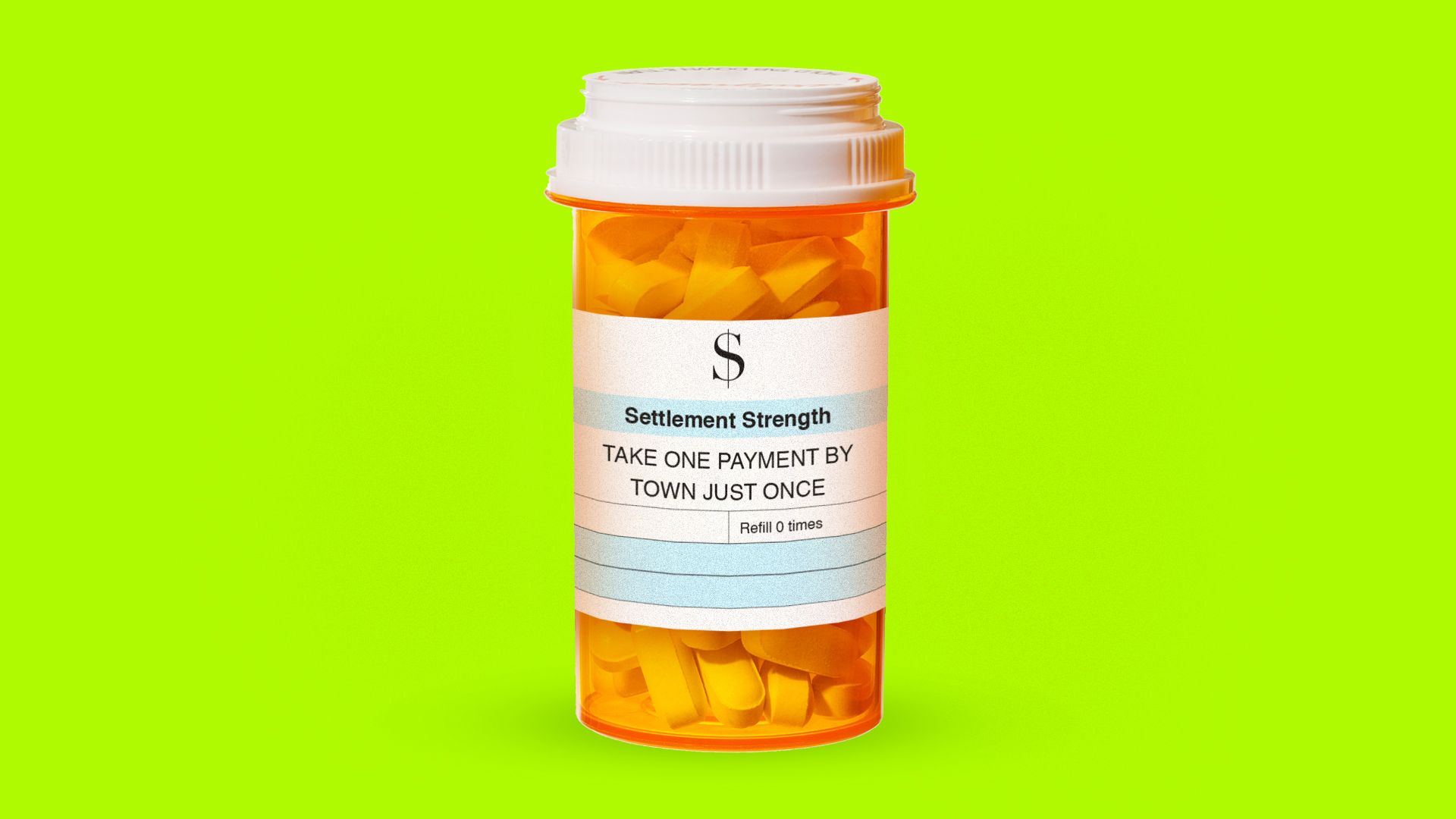
The federal opioids lawsuit pending in an Ohio district court likely will result in "hundreds of billions" of dollars flowing back to affected communities, according to Paul Hanly, one of the lawyers suing health care companies for their role in the epidemic.
Why it matters: The plaintiffs expect to win big money — through settlement or trial — that can then be used for drug treatment and recovery, although small towns and counties especially ravaged by the epidemic are worried money won't fairly flow down to them. But any outcome doesn't pose major financial risk to the companies in question, based on Wall Street's view of the case.