Conservatives in Congress are looking to build on some of the Trump administration's executive actions on health care.
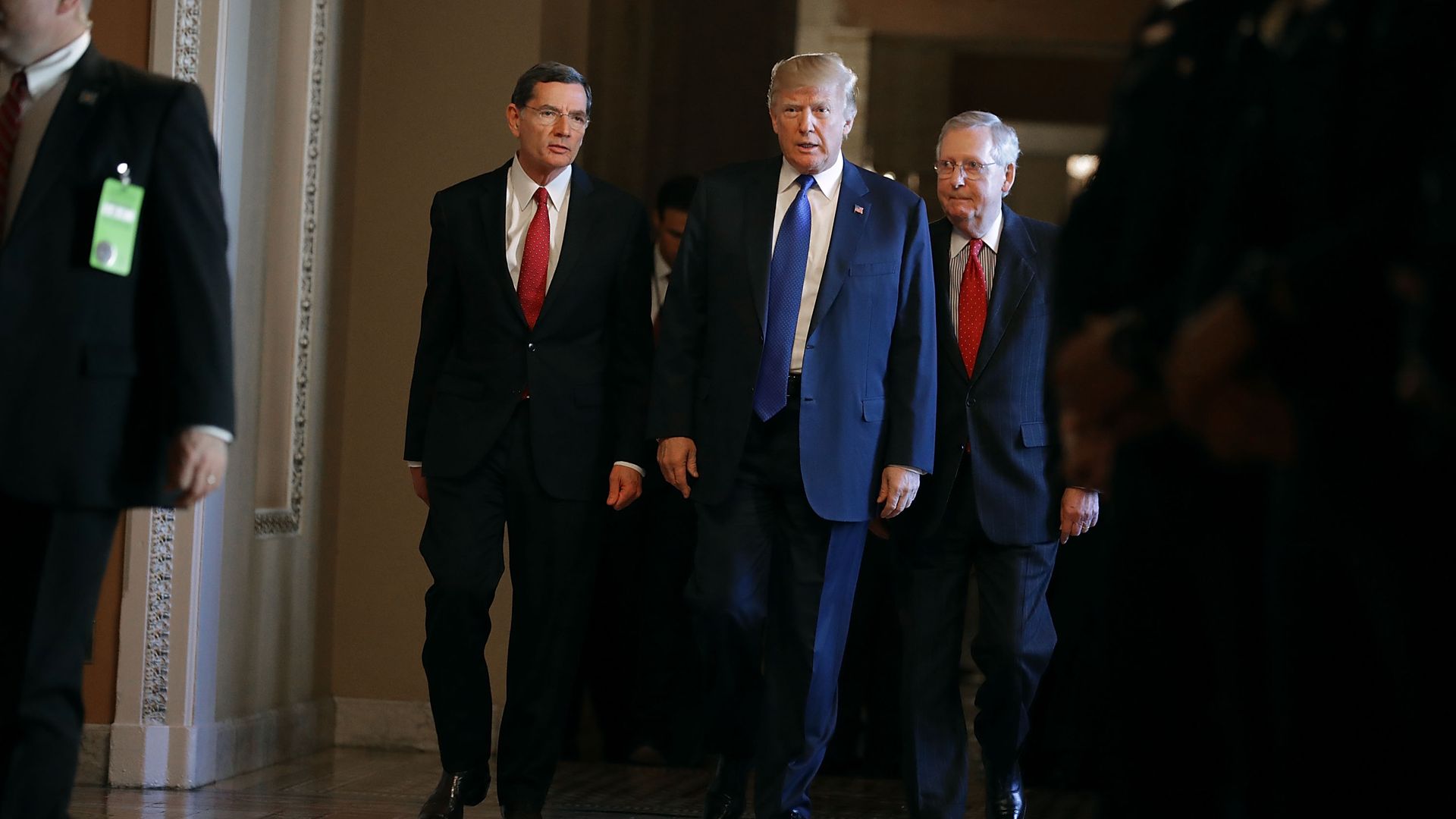
Sen. John Barrasso, a member of GOP leadership and often the caucus's unofficial health care messenger, will introduce a bill today to let consumers renew bare-bones short-term health plans.
House Freedom Caucus Chairman Mark Meadows said he hasn't been working with Barrasso, but he's supportive.
Why this matters: The White House has expressed interest in legislation to codify and enhance its regulatory efforts on short-term plans. Politico reported last night that it's one of the conservative policies the administration is pushing in return for stabilizing the Affordable Care Act's insurance markets. This will certainly complicate bipartisan negotiations.
The White House is internally divided over what to do about individual market stabilization efforts, congressional aides say, and there's no consensus among lawmakers, either. Although there's growing alarm over rising premiums and an increasing sense of urgency to address them, many Republicans are still very wary of the endeavor, especially in the House.
Between the lines: Practically speaking, there's a strong case to be made for addressing insurance premiums ahead of the midterm elections, as many Republicans know. But helping to fix the Affordable Care Act is still a tough pill for many conservatives to swallow, and the president is obviously prone to change his mind many times over on any particular issue.
Opioid overdoses in the U.S. increased by about 30% over the course of 14 months, according to a report issued today by the Centers for Disease Control and Prevention (CDC). Data collected in 16 states across the country show some emergency rooms experienced as high as a 109% increase (Wisconsin) in overdoses between July 2016 and September 2017 while others — including Massachusetts, New Hampshire and Rhode Island — reported declines.
What they're saying: “This fast-moving epidemic affects both men and women, and people of every age. It does not respect state or county lines and is still increasing in every region in the United States,” said CDC Acting Director Anne Schuchat. [How opioids impact U.S. life expectancy]
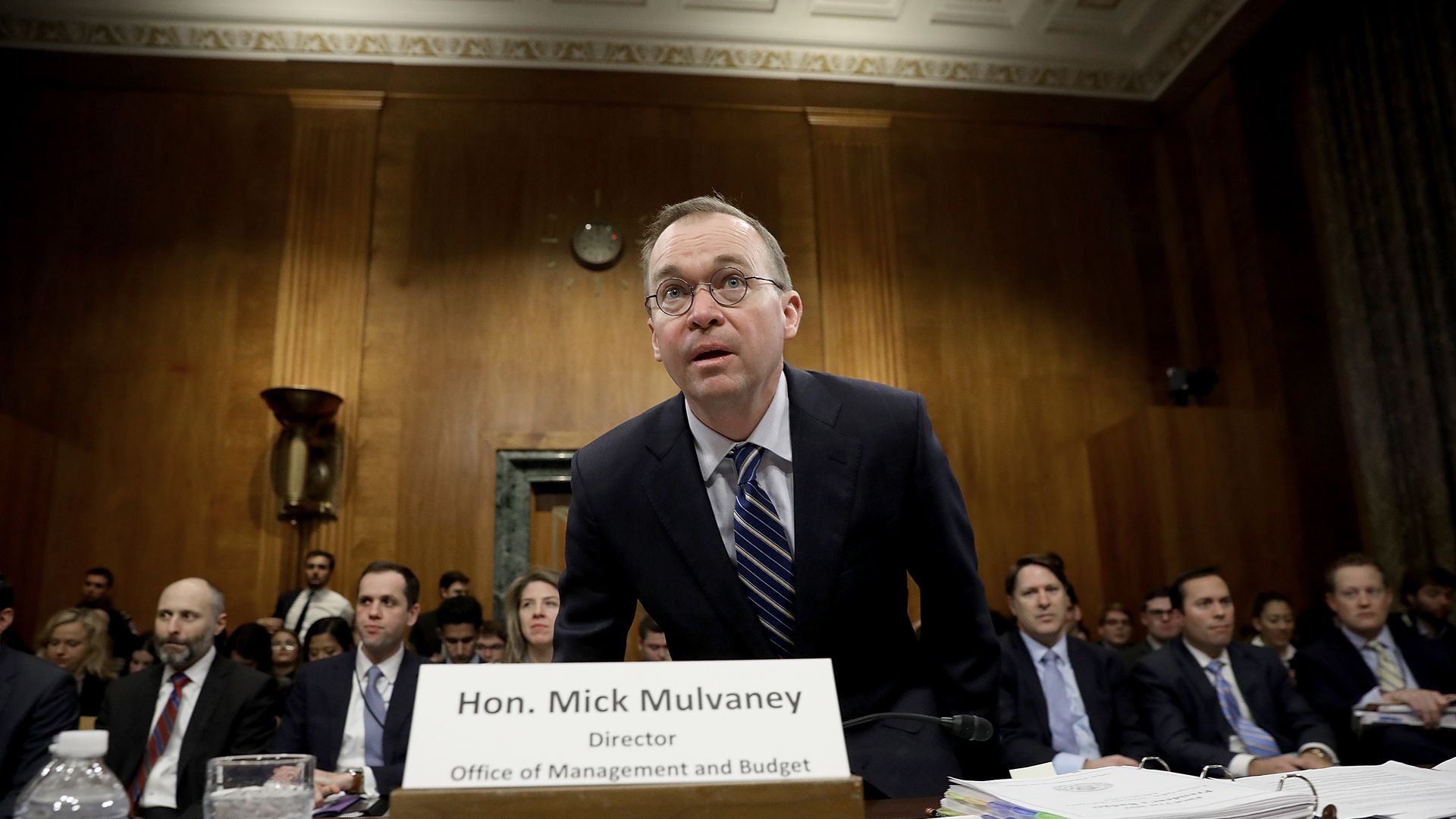
Funding the Affordable Care Act's cost-sharing subsidies would lower premiums by 15-20%, according to an analysis being circulated around congressional offices from the Office of Management and Budget. OMB says those subsidies would be more cost-effective than a new reinsurance program.
Why it matters: Reinsurance has been gaining steam on Capitol Hill, and Sen. Susan Collins is still owed a vote on a reinsurance bill. But the White House budget office is saying Congress could get a better deal by restoring a funding stream that President Trump cut off last year.