The White House announced Friday that president Trump will appoint Jim Carroll as the next director of the Office of National Drug Control Policy, according to a report from the White House press pool. "We have full confidence in Jim to lead ONDCP to make significant strides in combatting the opioids crisis, reducing drug use, and coordinating U.S. drug policy. Fighting the opioid crisis and drug addiction is a priority for this administration," said White House officials.
Why it matters: Trump's previous nominee for the role, Rep. Tom Marino, withdrew in October. Trump declared the opioid crisis a public health emergency and has not asked Congress for any additional funds to combat the crisis, per NPR.
The White House is out with a long list of proposals to help bring down the cost of prescription drugs, through a combination of direct federal intervention and steps to promote greater competition. At least some of those ideas will be part of the administration's annual budget proposal, according to Bloomberg.
Between the lines: Lowering drug prices is popular, and it's an issue President Trump has spoken about a lot. And the outline the White House released today is much more detailed than many of its other policy proposals. Still, the White House budget is mostly a messaging document — most real policy action has to come from Congress.
The pharmaceutical industry is livid about a surprise change to Medicare drug policy that was slipped into the Senate budget deal. The bill would close the Medicare Part D "donut hole" in 2019, a year earlier than previously scheduled, and force drug companies to shoulder most of the cost.
Between the lines: Drug companies weren't the only ones taken by surprise. Many lawmakers didn't know this was coming, either. Yet as far as prescription drug policies go, this one is comparatively innocuous for the industry.
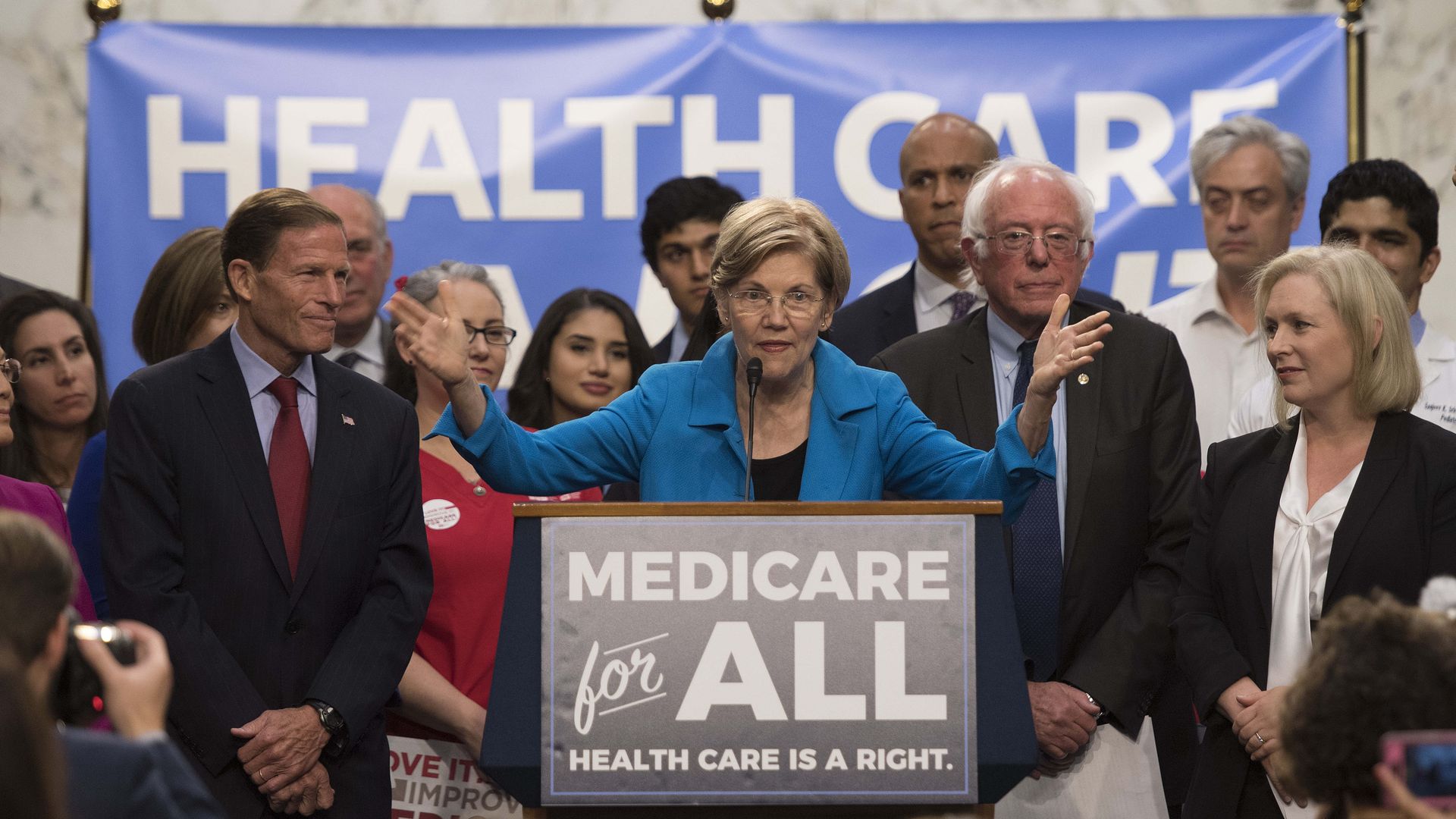
There are at least seven Democratic candidates who are going hard on health care in their 2018 campaign ads and it reflects the party's thinking for one way they could win back the House.
Why it matters: According to internal DCCC polling, "Democrats in Congress have a massive 28-point advantage over Republicans in Congress on the issue of healthcare." And those who are already using it in their ads span the country from Utah to New York to Illinois.
Everybody wants to control health care costs — until it’s time to actually control health care costs.
Driving the news: The bipartisan budget deal unveiled yesterday in the Senate would repeal the Affordable Care Act’s Independent Payment Advisory Board. It’s merely the most recent time Congress has voted, with bipartisan support, to chip away at programs that aimed to slow the growth in health care spending, or at least help balance the federal checkbook.
Consumers could soon face surprising increases in how much they have to pay for their prescription drugs, thanks to changes in the way health insurers and pharmacy benefit managers process coupons from drug manufacturers.
Why it matters: Midterm elections are coming up in the fall. High drug prices have enraged people across the political spectrum, and voters who already have trouble affording their prescriptions could be hit with another surprise.
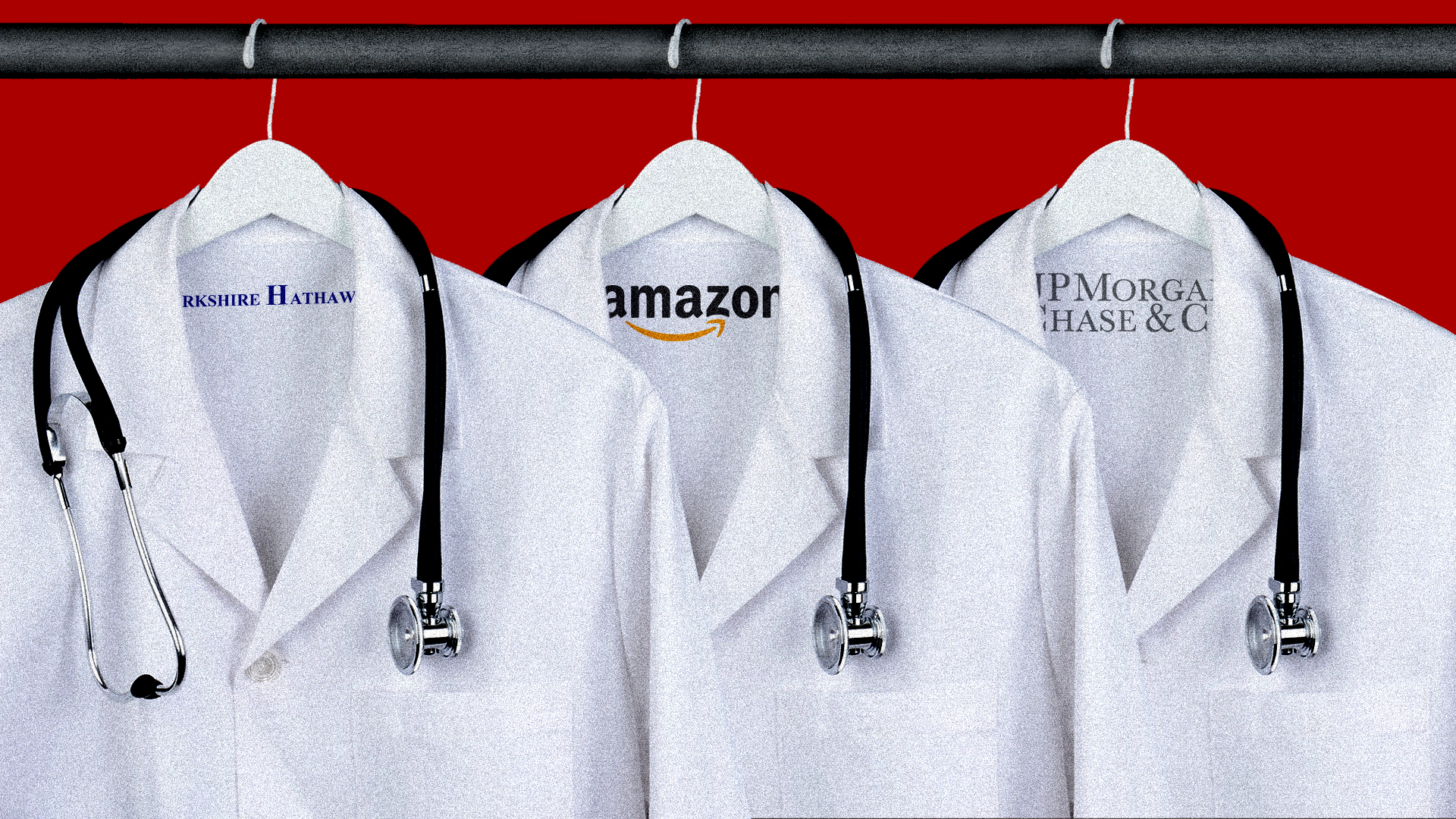
Even if Jeff Bezos, Jamie Dimon and Warren Buffett come up with ways to lower their own corporate health care costs, it’s highly unlikely their new health care venture will move the needle on overall health spending or other dimensions of the health cost problem.
The odds: Bezos, Buffett and Dimon are big names — big as they come — but the history of health care is littered with business titans who have declared war on health care costs. Amazon, Berkshire Hathaway and JPMorgan Chase may be able to get their own costs down, but that doesn't mean they can do it for anyone else.