Tuesday's health stories

Scientists look to create a contagious vaccine

Scientists around the world are exploring new ways to spread vaccines in rural, remote areas that need them most. One way to do so? Letting nature do the work via contagious vaccines and treatments for viral diseases, per Popular Science.
How it works: Vaccines use dead and weakened viruses to train the body's immune system to attack a pathogen, so it might be possible to engineer those viral vaccines to be transmissible between humans.
One big drawback: Viruses can mutate significantly with each new generation, perhaps allowing a dead or weakened virus to become active once again.

Opioid epidemic rises in intensity and scale
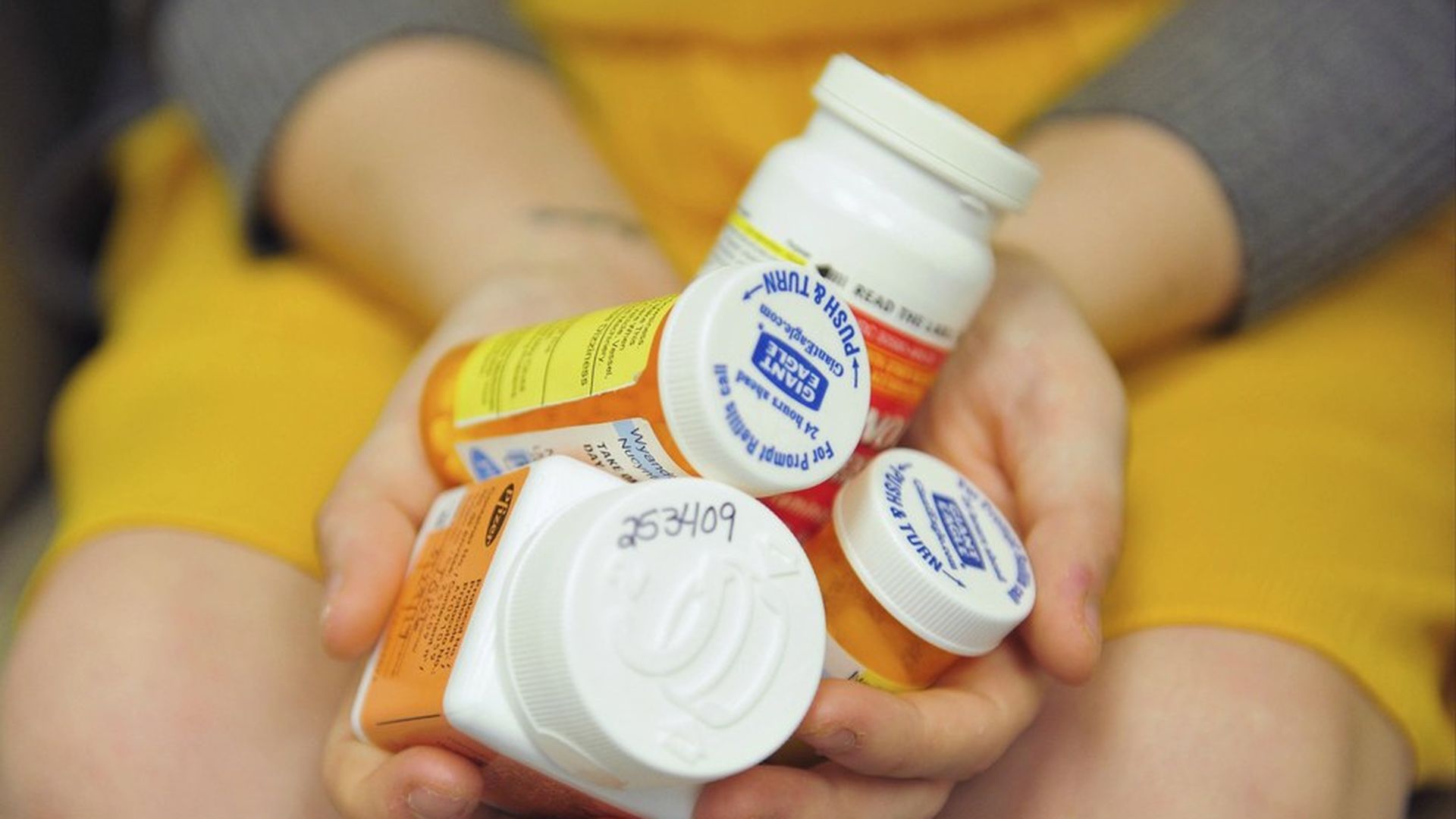
"Drug Deaths in America Are Rising Faster Than Ever," by N.Y. Times Upshot's Josh Katz in Akron, Ohio:
- "Drug overdose deaths in 2016 most likely exceeded 59,000, the largest annual jump ever recorded in the United States."
- "Drug overdoses are now the leading cause of death among Americans under 50... and all evidence suggests the problem has continued to worsen in 2017.
- Over two million Americans are estimated to be dependent on opioids, and an additional 95 million used prescription painkillers in the past year — more than used tobacco.
The drug to watch: "[In some counties] deaths from heroin have virtually disappeared. Instead, the culprit is fentanyl or one of its many analogs... In Montgomery County, home to Dayton [Ohio], of the 100 drug overdose deaths recorded in January and February, only three people tested positive for heroin; 99 tested positive for fentanyl or an analog."

FDA wants to lower drug prices by approving generics

The FDA Commissioner, Scott Gottlieb, said Monday he is going to try lowering drug prices by giving top priority to approving new generic drugs in markets where there are fewer than three generic competitors.
Why it matters: Drug prices aren't officially a part of the FDA's mandate — it is barred from taking prices into account when it decides whether to approve a new drug — but Gottlieb is identifying steps the agency can take that might have an indirect impact.
Gottlieb said the FDA would also be knocking out a backlog of 2,640 generic-drug applications pending review in the next year.

Blue Cross Blue Shield insurers are making money on the ACA

We reported earlier this month that the large publicly traded health insurance companies have reaped enormous profits so far in 2017. But the not-for-profit Blue Cross Blue Shield plans — the ones that have been the linchpins of the volatile Affordable Care Act marketplaces — have been doing a lot better than last year, too.
In states where a Blue Cross Blue Shield affiliate was the only ACA option, each company turned a net profit in the first quarter, according to an Axios review of financial documents. That's a big turnaround from last year, when most of them lost money.
What it means: The ACA's individual marketplaces have problems, but they are not in a "death spiral," nor are they imploding. The latest financial data also indicate that many Blue Cross Blue Shield plans — even the most vulnerable — have figured out how to make money on ACA plans, and illuminate why the entire industry wants to eliminate the ACA's insurer tax permanently.