Wednesday's energy & climate stories


White House pushes out Kimberly Guilfoyle after misconduct reports
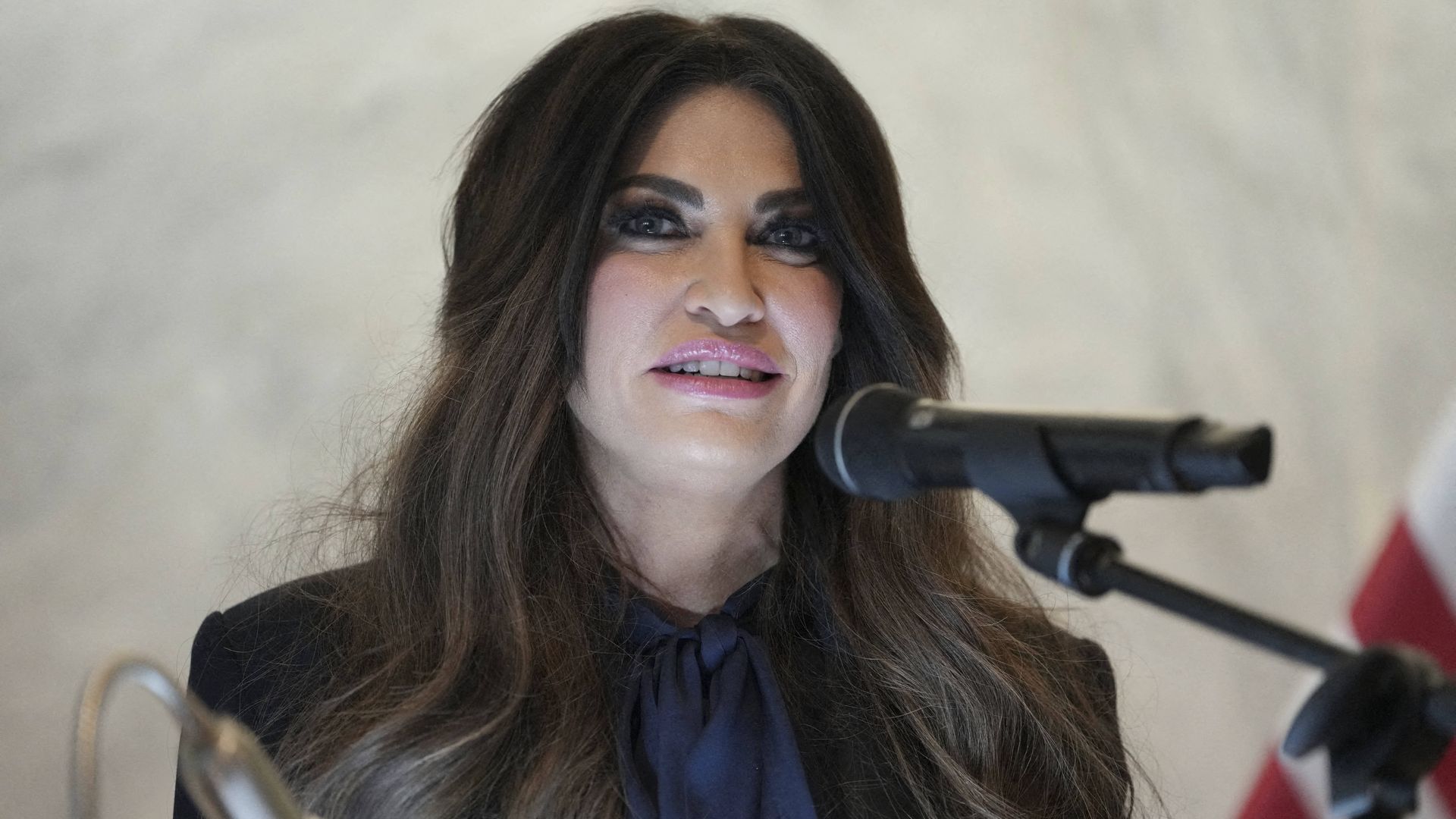
Kimberly Guilfoyle, the U.S. ambassador to Greece, announced her resignation Tuesday, shortly after the White House asked her to step down and following reports alleging misconduct before and during her diplomatic posting.
Why it matters: The exit of the president's longtime political ally and former fiancée of his son Donald Trump Jr. follows a series of Wall Street Journal reports alleging she used her political connections to seek financial favors and promote private business interests.

Europe's alternative to Trump's China trade war
Europe is testing a new response to China Shock 2.0, betting that it can confront Beijing's export juggernaut without resorting to President Trump's tariff-heavy approach.
Why it matters: More of the world is beginning to confront the threat that China's industrial overcapacity poses to their industries. But protecting individual sectors will not solve the bigger problem: China's factories are cranking out far more than its own economy can absorb.
Driving the news: The European Union and China struck a preliminary deal on Friday to sharply limit Chinese hybrid vehicle exports to Europe.
- The EU plans to initially cap Chinese hybrid and plug-in hybrid imports at 350,000 annually, potentially starting as early as December.
- The cap would more than halve projected Chinese hybrid shipments, which were on track to reach roughly 800,000 this year, an EU official told reporters.
- Imports totaled 302,000 in 2025. (Chinese officials Monday noted that the deal still allows its automakers to increase shipments from last year's levels.)
- Vehicles exceeding the quota would be blocked rather than face additional tariffs.
The backdrop: France and Germany last week proposed giving Brussels sweeping new powers to restrict market access over unfair trade practices, a striking shift for Germany, which opposed EU tariffs on Chinese EVs in 2024.
- European Commission president Ursula von der Leyen warned in her annual address last month that the bloc's trade deficit with China had reached a "tipping point."
- "Some say the second China shock is looming. But it's already here," von der Leyen said.
What they're saying: EU leaders are considering tougher powers to confront Chinese trade practices, including one resembling the authority Washington has used to impose sweeping tariffs on Chinese goods.
- The agreement could dampen momentum for harsher measures, making member states "hesitant this week to rock the boat," Daniel Mullaney, an Atlantic Council senior fellow and former U.S. trade official, tells Axios.
- Washington is pushing trading partners to join forces against China's industrial overcapacity.
- "It's really hard for any one country to make progress on that if you don't have allies on your side," Mullaney says.
By the numbers: Chinese automakers ramped up hybrid shipments to Europe after the EU imposed steep tariffs on fully electric vehicles in 2024.
- New data released yesterday shows that China's global passenger vehicle exports surged 64% in September, to 919,000, even as domestic sales fell 27%.
What to watch: Europe's deal could shift pressure to other industries — or perhaps even other nations — without addressing the underlying imbalances driving China's export boom.
- Economist Michael Pettis argued over the weekend that the agreement would do little for European manufacturing overall.
- "EU producers of hybrids will be better off, but at the expense of other EU manufacturers," he wrote on X.
The bottom line: Europe's deal may provide breathing room for its automakers. But China's industrial might — and the pressure it is inflicting on manufacturers around the world — is not going away.

Five things to watch after Trump's Russian diesel deal
President Trump is turning to Vladimir Putin to help ease a global diesel crunch, setting up a clash between Washington's energy priorities and its efforts to pressure Russia over its invasion of Ukraine.
Why it matters: The fuel shortage is among the most severe effects of the Iran war and Ukrainian strikes on Russian refineries.

Nevada test sharpens U.S. nuke-detecting algorithms

The National Nuclear Security Administration recently conducted an underground explosive test in Nevada to better understand and potentially identify foreign nuclear detonations.
Why it matters: NNSA boss Brandon Williams previously told Axios that China is "clearly" conducting explosive nuclear testing and "trying to hide it," amplifying accusations made this year by State Department arms officials.
- Beijing has denied such a regime and accused the U.S. of stirring the pot.
- Both have signed the Comprehensive Nuclear-Test-Ban Treaty. Neither has ratified it.
IMF warns global economy nearing "limits of resilience"
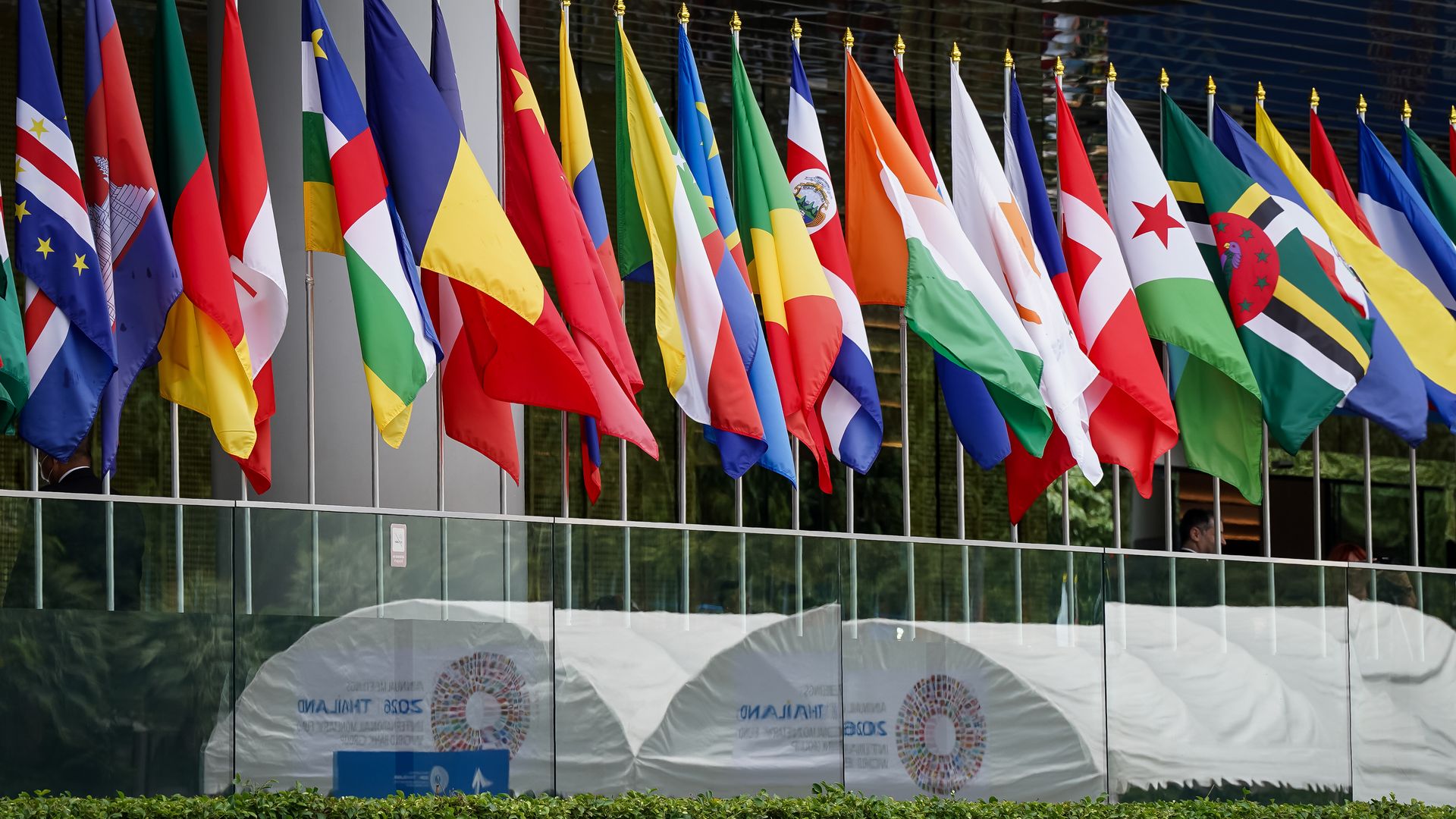
The global economy's ability to withstand new shocks is coming under strain, the International Monetary Fund warned Monday night in its latest economic forecast.
Why it matters: Worldwide growth has defied expectations, holding up despite the Middle East war and soaring oil prices. But some policymakers fear that dwindling energy reserves, mounting debt and growing reliance on the AI boom leave the world increasingly vulnerable.