Slate Auto, the electric vehicle startup backed by Amazon founder Jeff Bezos, says it has more than 180,000 "reservations" for its stripped-down, bare-bones electric pickup truck, with a starting price tag of $24,950.
Why it matters: Slate is betting that automakers can profit from affordable EVs by selling customization instead of packing every feature into the vehicle upfront.
When Iran shutthe Strait of Hormuz in early March, cutting back the global oil supply, it was easy to imagine domestic economic damage along the lines of 1970s oil shocks.
The big picture: It hasn't happened, and that reflects a central shift in how the U.S. fits into global energy markets. Turns out, when you produce your own energy, an oil shock doesn't hurt the way it used to.
That, in a nutshell, is the takeaway of new Dallas Federal Reserve Bank research that quantifies how small the GDP hit has been and how much more severe the pain would have been in decades past.
Here are early conclusions and things to watch in the Energy Department's plan to loan utilities billions of dollars to buy equipment for large new reactors.
Why it matters: DOE envisions 10 Westinghouse AP100 reactors — enough to power about 10 million homes — under construction across five two-reactor projects by 2030.
President Trump says he ordered the Justice Department to probe whether oil companies are gouging consumers.
Why it matters: It shows a new level of Trump's frustration with prices at the pump — and introduces a new wild card for oil companies, depending on what the Justice Department decides to do with the president's overnight Truth Social post.
Microsoft is seeking to make the case that its AI-fueled data center expansion does not come with soaring water use.
Why it matters: Combined with recent water announcements from Google, Amazon and Nvidia, Microsoft's update Wednesday shows how the companies at the heart of the AI boom are racing to respond to growing concerns about the buildout's environmental footprint.
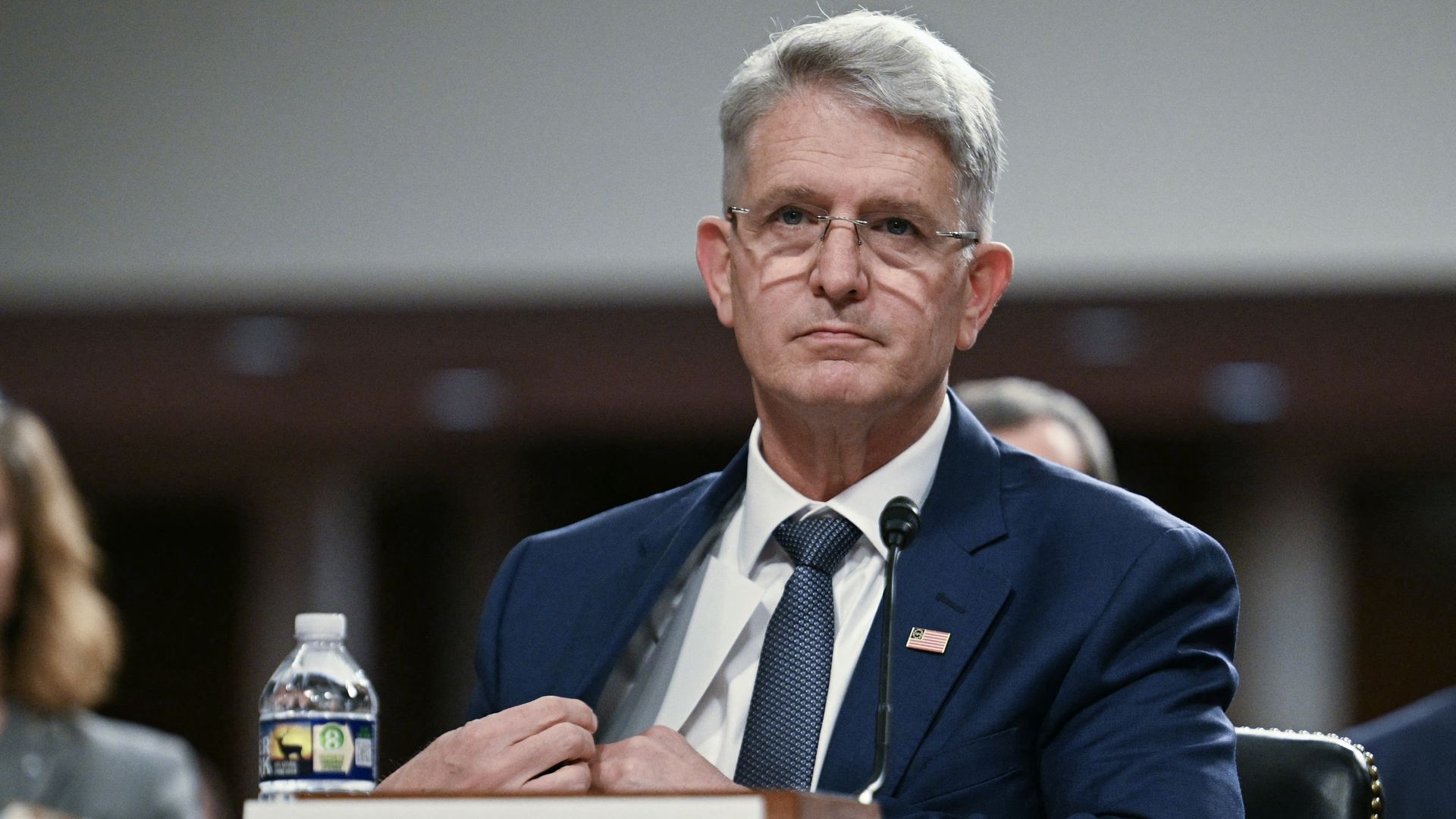
Russian threats to use nuclear weapons during the war in Ukraine are a sign of "weakness" and fail to spook NATO and other nearby countries, the head of the National Nuclear Security Administration said.
The UN's International Maritime Organization will evacuate more than 11,000 sailors stranded in the Strait of Hormuz during the U.S.-Iran war, the agency said Tuesday.
Why it matters: The operation underscores how the U.S.-Iran war disrupted a critical global shipping route and left thousands of civilian seafarers stuck.